
Key takeaways
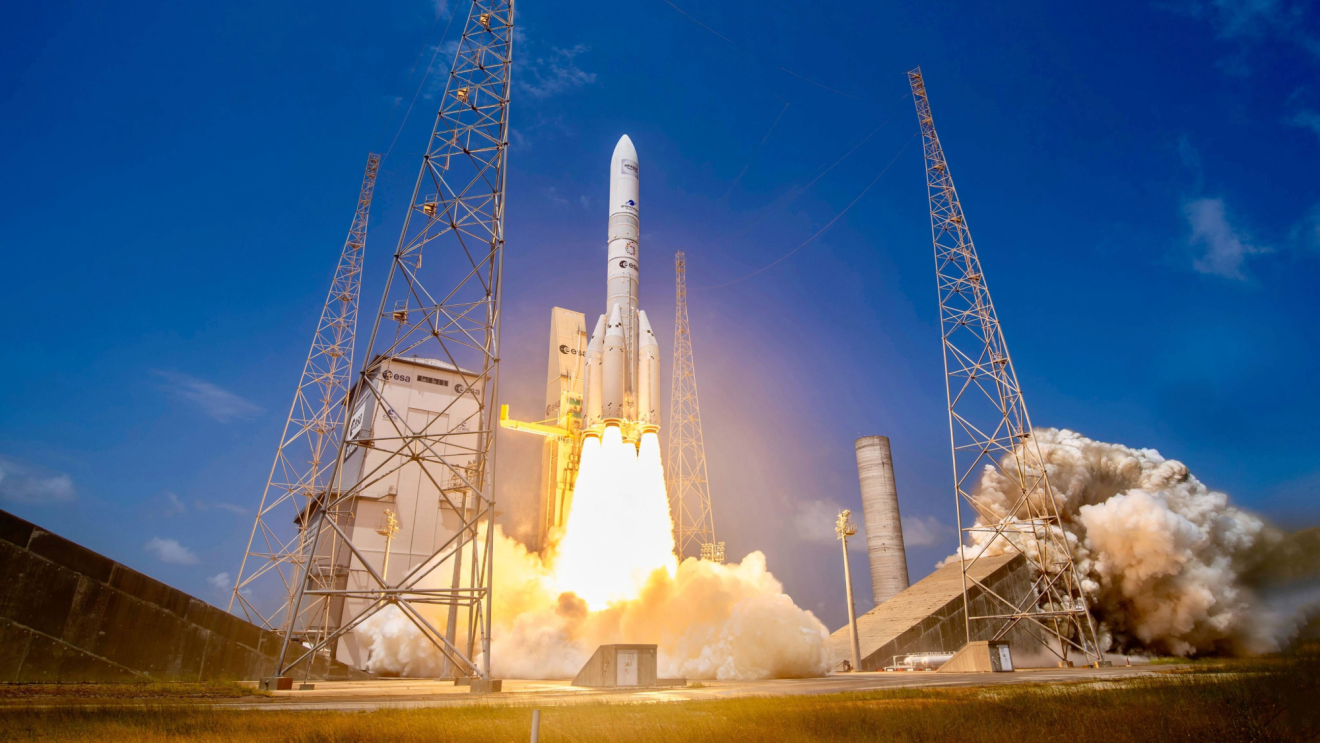
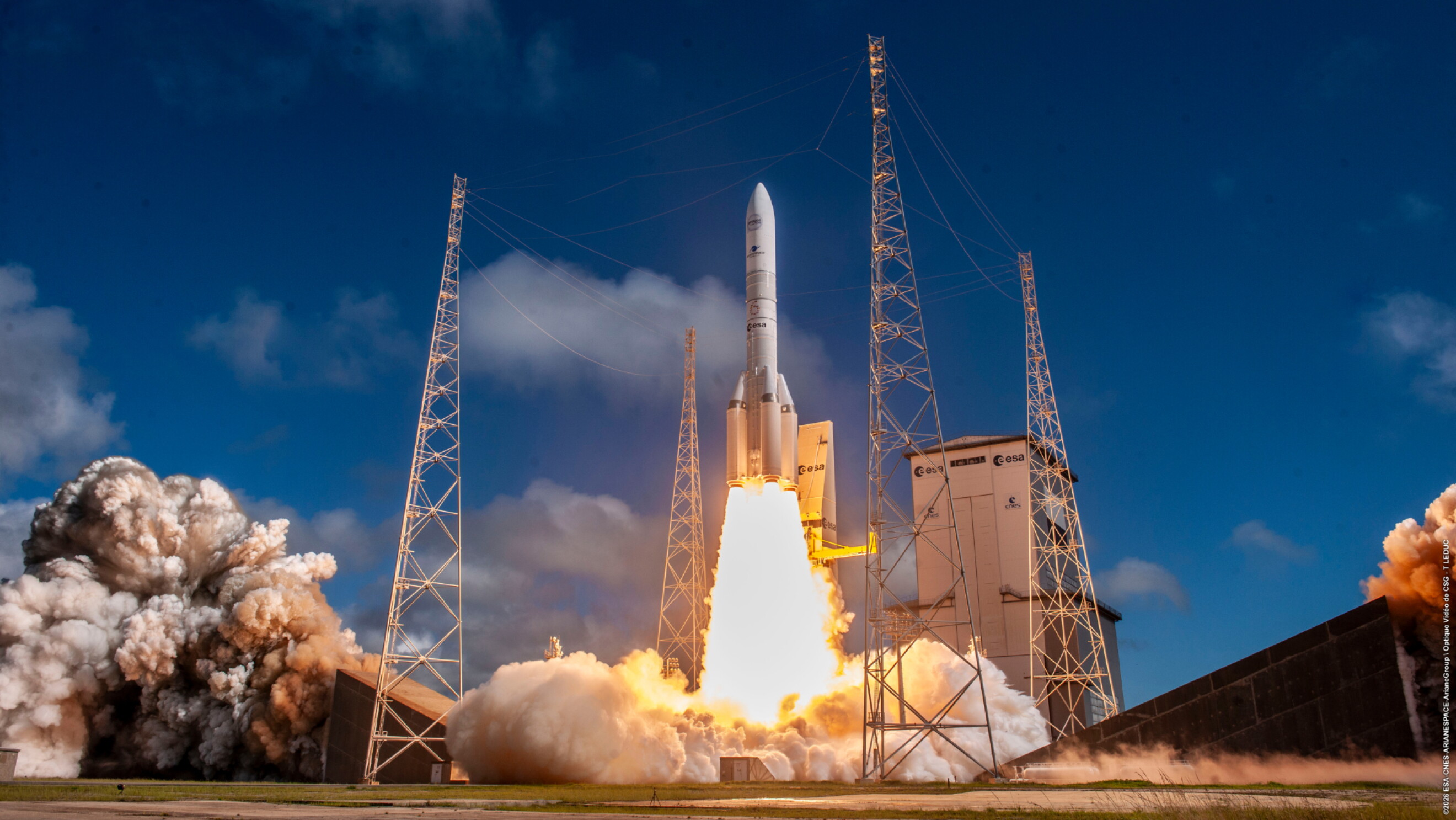
- The fourth launch of Amazon Leo satellites on the Ariane 6 launcher took place on November 24, 2026.
- More than 600 companies build the technologies behind these Amazon Leo launches.
- Amazon Leo has expanded its agreement with Arianespace to 24 Ariane 6 launches.
Amazon Leo's mission is ambitious: deliver fast, reliable internet to customers and communities beyond the reach of existing networks.
It’s a truly global effort. Satellites designed and built in America launch aboard a European rocket from Europe’s Spaceport in French Guiana, South America, to serve customers around the world.
Amazon Leo works with several launch providers, including Arianespace, Europe's leading commercial launch service and the operator of the Ariane 6 rocket. On November 24, the fourth Ariane 6 mission—known as Leo Europe 4—brought the total Amazon Leo constellation to more than 430 satellites.
Behind every Ariane 6 mission is a supply chain of more than 600 companies across 13 European countries, led by lead constructor ArianeGroup. For Arnaud Demay, project manager and systems engineer at ArianeGroup, the program is "like an orchestra."
“Each musician is the best at their art as a soloist,” he said. “But in the orchestra, they need to work together. They need to be on time, and they need to deliver top quality.”
How ArianeGroup designs its rockets around Amazon Leo’s missions
The work of getting an Amazon Leo satellite into orbit starts long before a rocket reaches the launch pad. It begins with understanding what Amazon needs the launcher—the rocket that carries the satellites—to do.
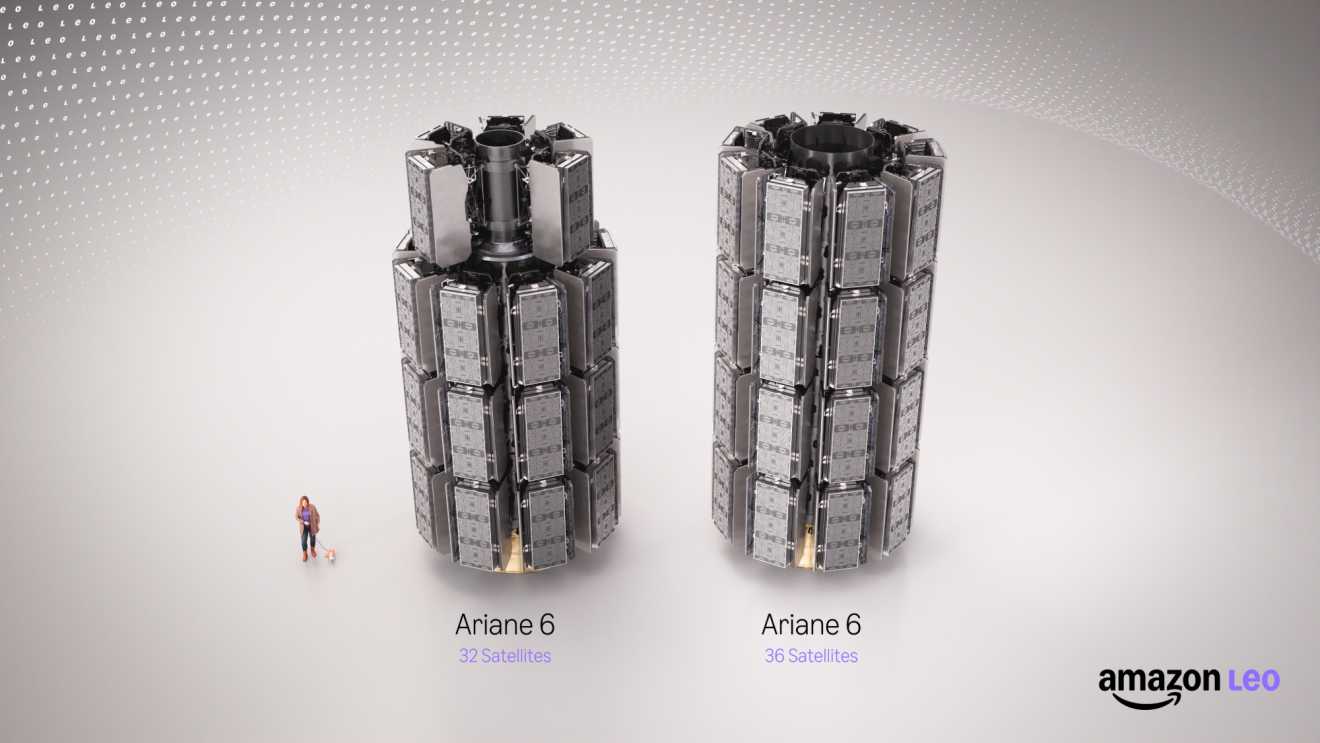
For a satellite constellation such as Amazon Leo, one important consideration is how many satellites can be carried on a single launch—not simply the size of each individual satellite.
Carrying more satellites on each mission can reduce the number of launches needed to deploy the constellation, but getting them into space is only part of the challenge. The satellites must also be released accurately into their planned orbits. Unlike a mission delivering a single spacecraft to one destination, a constellation launch involves releasing multiple satellites in a carefully planned sequence.
ArianeGroup’s systems engineering teams work with Amazon Leo to translate those requirements into the rocket’s configuration and flight plan.
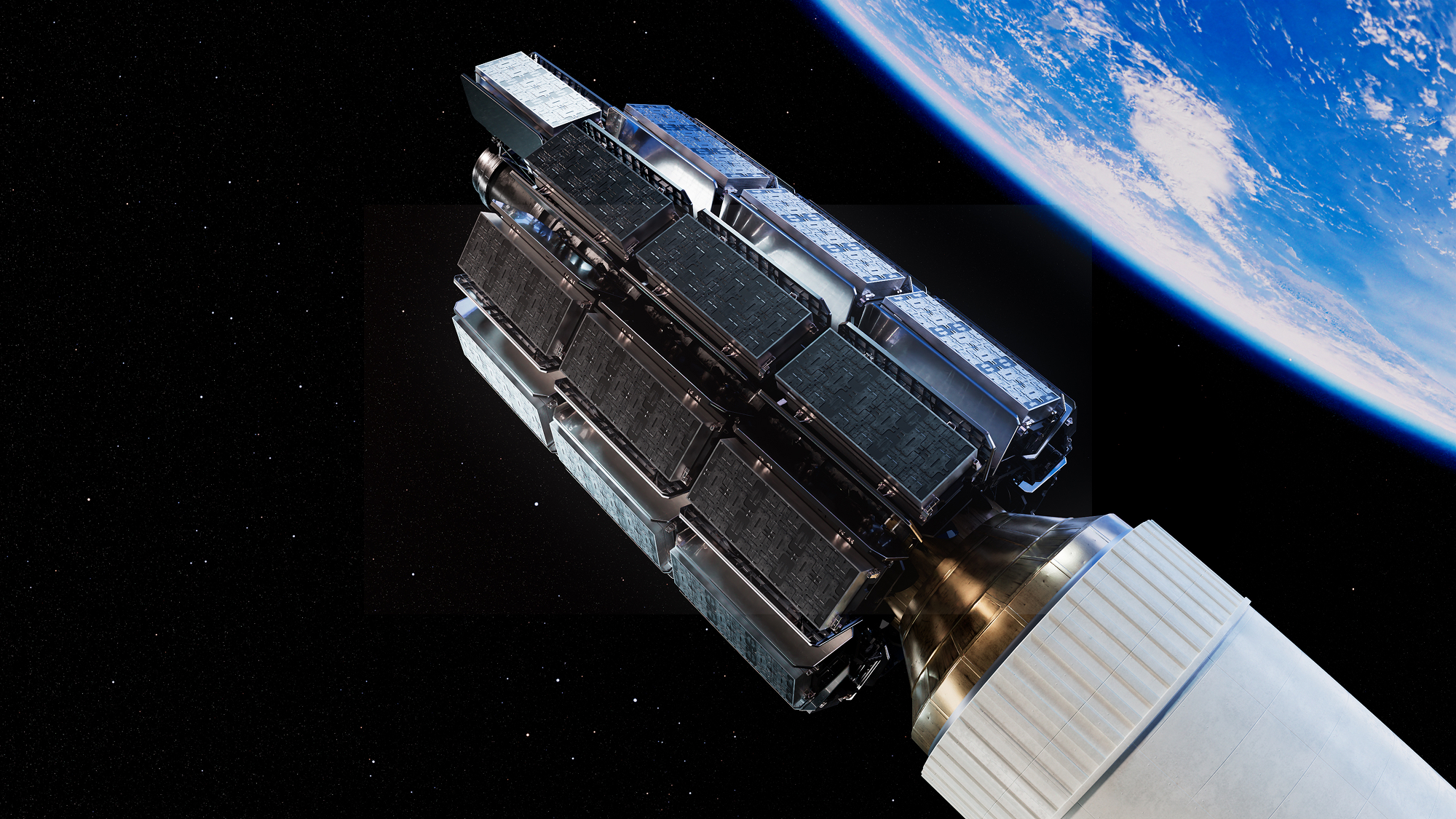
For Demay and his colleagues, this means working with Amazon Leo well ahead of each launch. Mission-specific preparation typically starts around six to 10 months before liftoff, although experience from previous Amazon Leo missions has helped shorten the process. Teams can build on what they have learned while adapting the flight plan to the requirements of each new mission.
“Every Ariane 6 mission we fly with Arianespace builds on the one before it,” said Steve Metayer, Amazon Leo's vice president of production. “Our Leo team works side by side with Arianespace on everything from satellite integration to launch day operations, and that shared expertise and trust is the driving force behind our cadence together this year.”
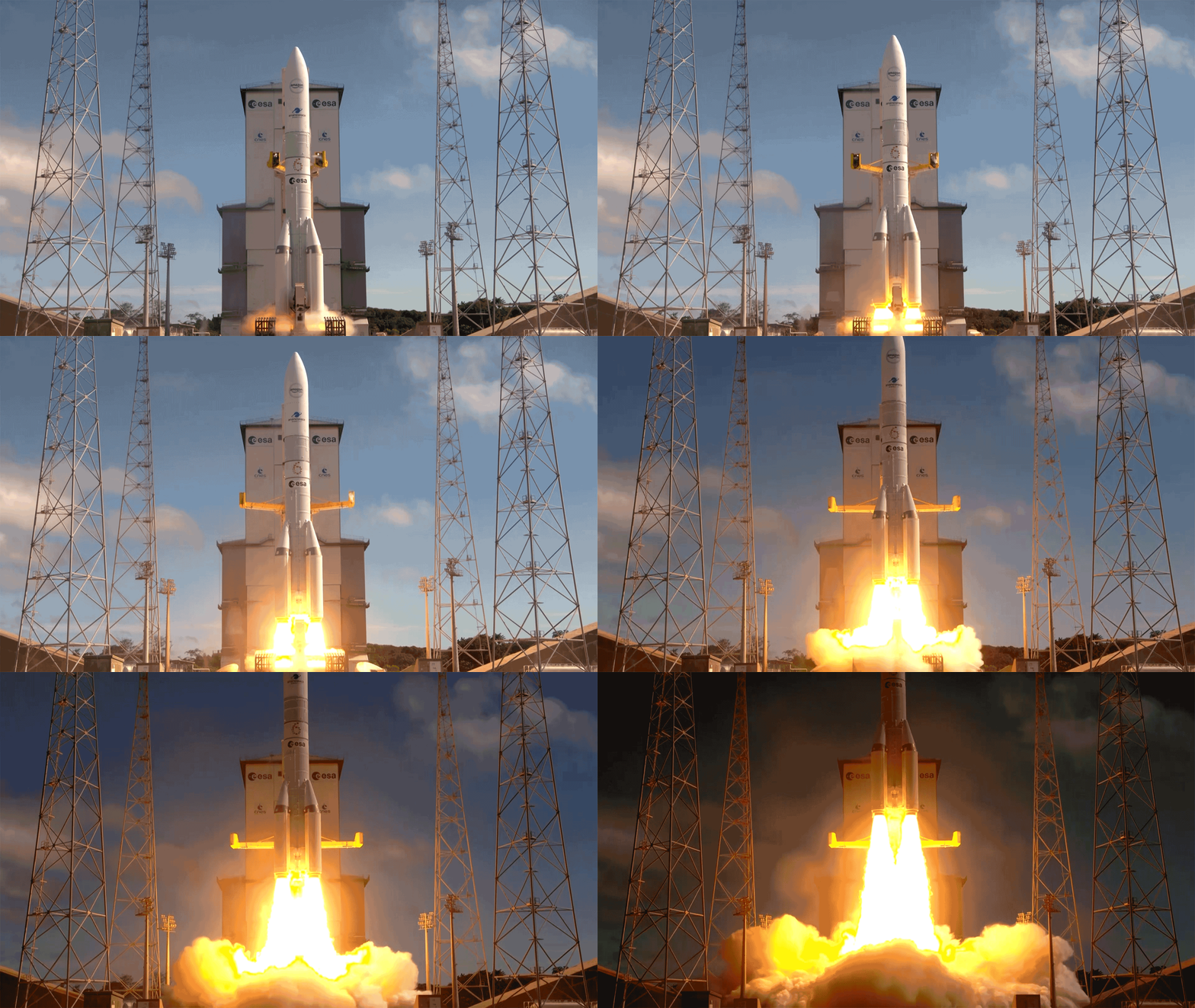
The European expertise behind Amazon Leo launches
Meeting those requirements draws on capabilities that Europe’s space industry has developed over decades. Different companies across the continent specialize in different parts of the launcher, from composite structures—materials made by combining different elements to create something lighter and stronger than traditional metals—to the electrical wiring that connects its systems.
“Space in Europe is 50 to 60 years of working together,” Demay said. “We have developed and created centers of excellence: as an example, there is one for composite structures, another for very specific lightweight metal structures, and another for the electrical harnesses. And several others all around Europe.”
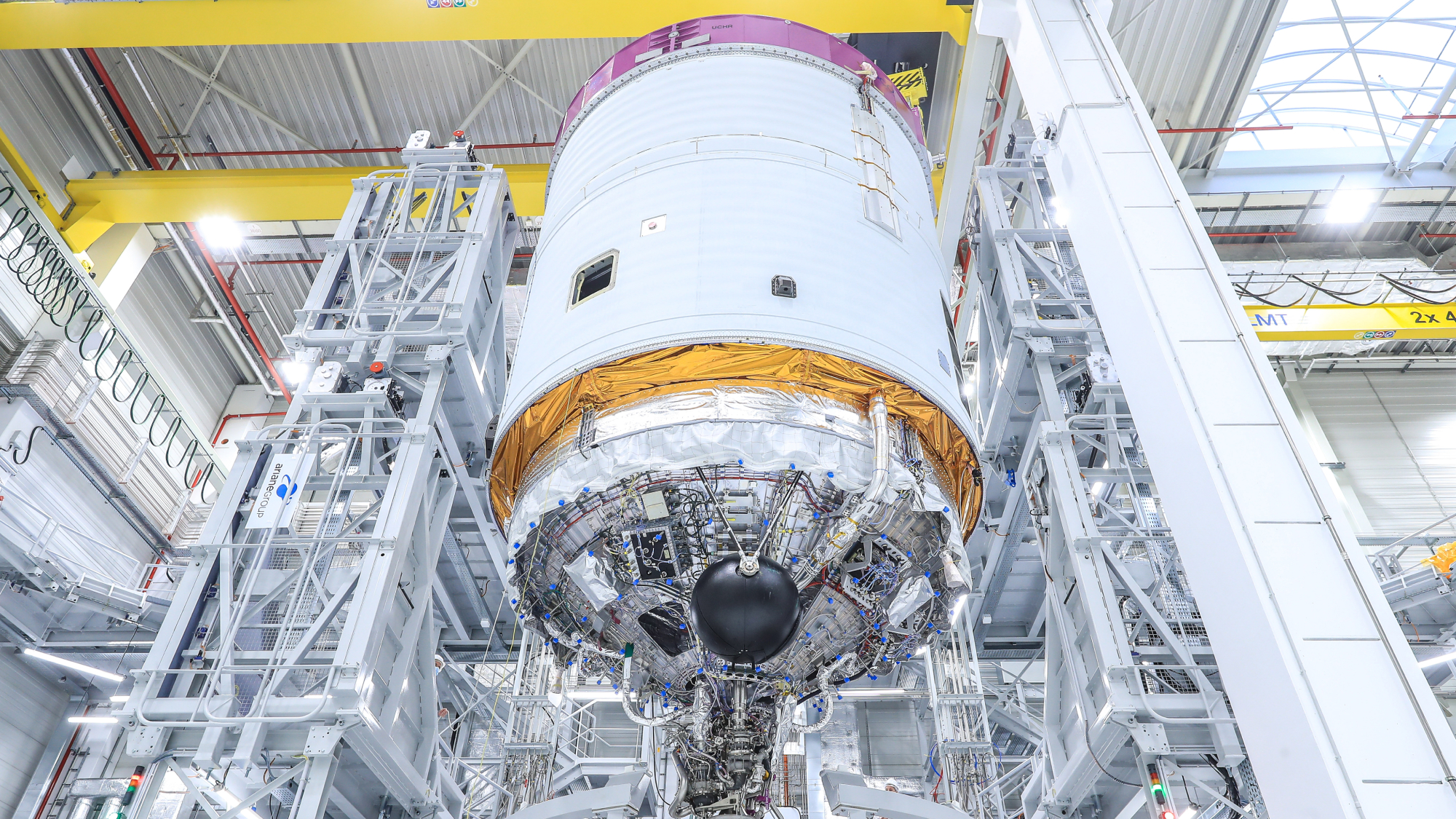
Those electrical harnesses run around 30 kilometers inside each Ariane 6 rocket. They carry power and signals between the vehicle’s systems while keeping weight to a minimum. That matters because every kilogram used by the launcher is a kilogram that cannot be used for its payload.
Around half of the companies in the supply chain are small and medium-sized businesses. Their specialist capabilities complement those of larger industrial partners. Each brings a different piece of the puzzle, but every component needs to fit and work with the others.
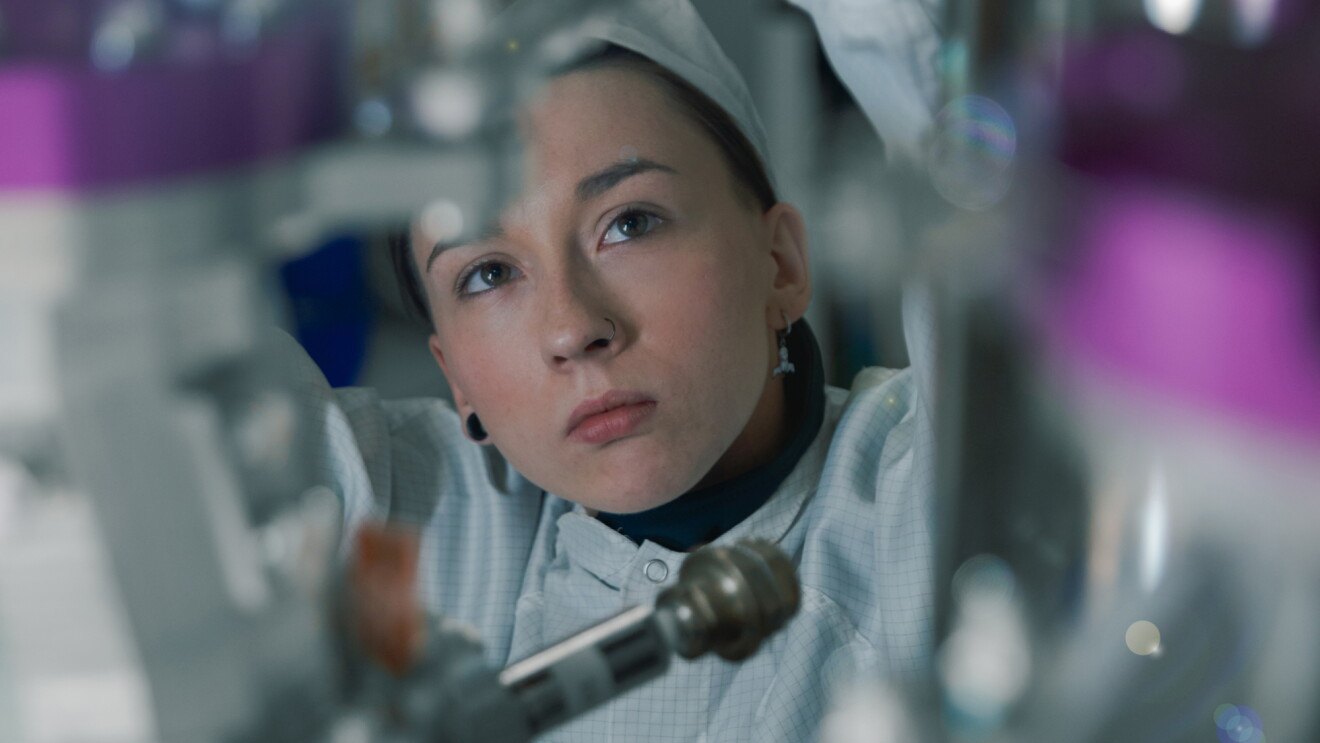
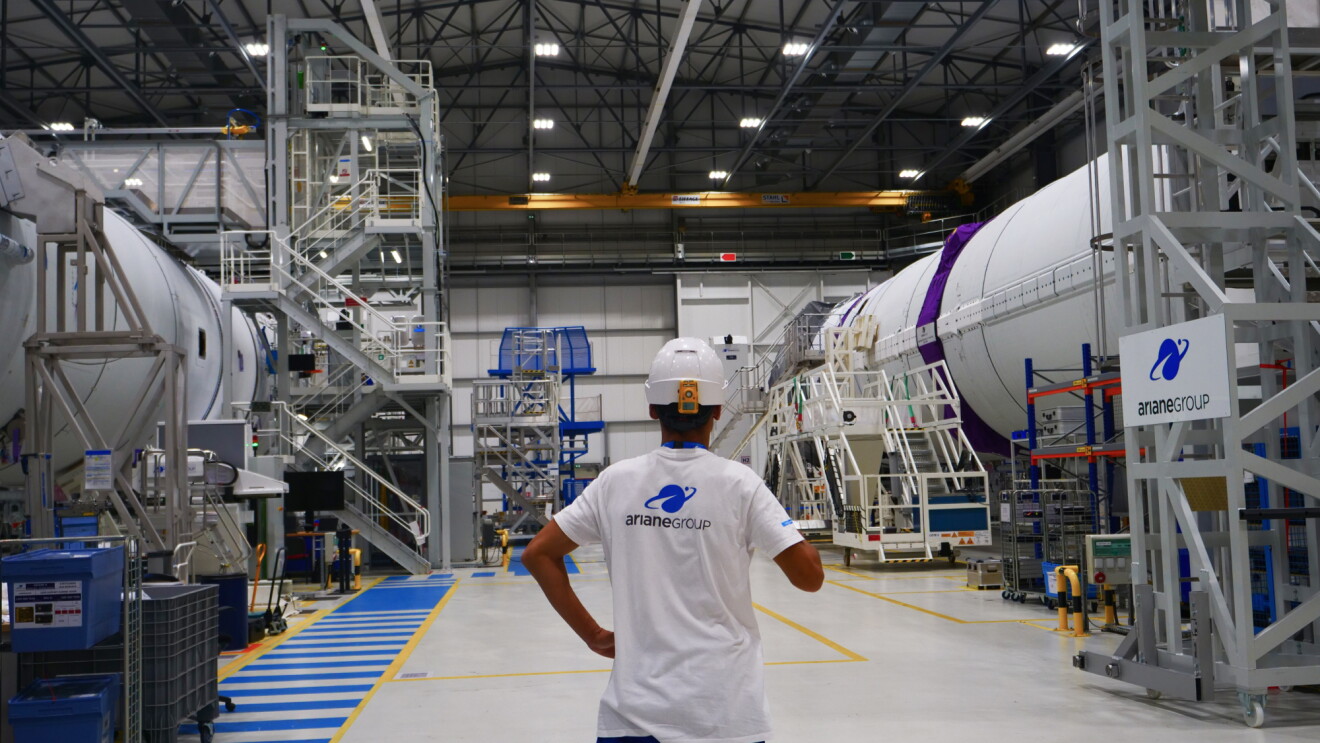
Coordinating that work across hundreds of companies takes more than technical expertise. ArianeGroup uses a shared digital model of the rocket across suppliers, allowing them to design their components while understanding how their work fits into the complete vehicle. From project managers to factory-floor teams, everyone involved can see how their individual contribution connects to the larger effort—one that ultimately puts Amazon Leo satellites into orbit.
Meet some of the companies behind Ariane 6
Every supplier has a different role in getting Amazon Leo satellites into orbit. Together, their work spans propulsion, structures, avionics, satellite deployment, and more.
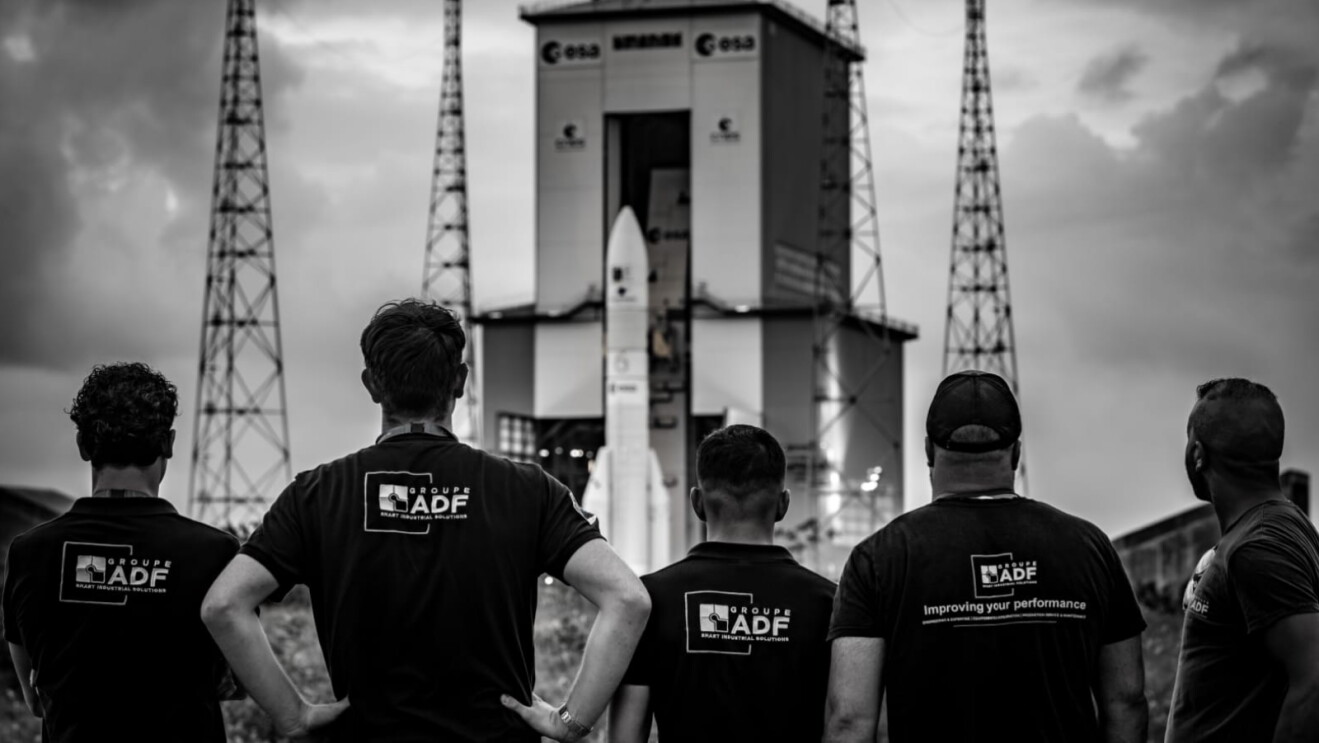
In French Guiana, Groupe ADF has supported Ariane 6 from the start, building the rocket’s assembly line and launch pad fueling systems on the spaceport. “It is a great privilege to work in a high-tech environment, contributing to space missions with significant scientific or human impact, and to be surrounded by passionate people whose commitment and dedication to excellence are second to none,” said Benoît Memin, contract manager at Groupe ADF.
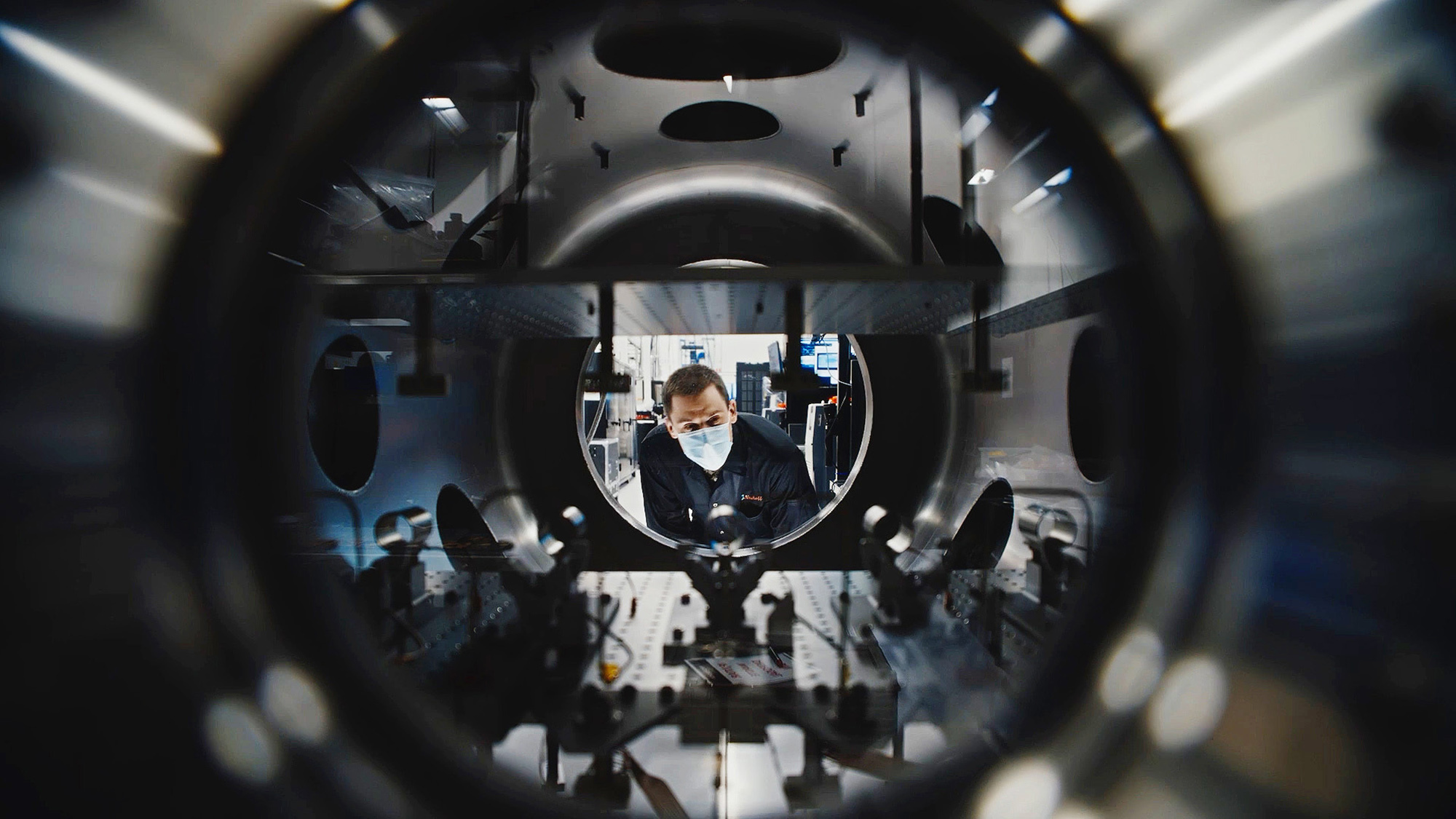
Safran’s work touches almost every part of the launcher. Its businesses supply the systems that steer Ariane 6 and track its path through the sky, the equipment that sends flight data back to the ground, and key parts for the rocket’s engines. Together, they help every Amazon Leo mission follow its planned course from liftoff to orbit.
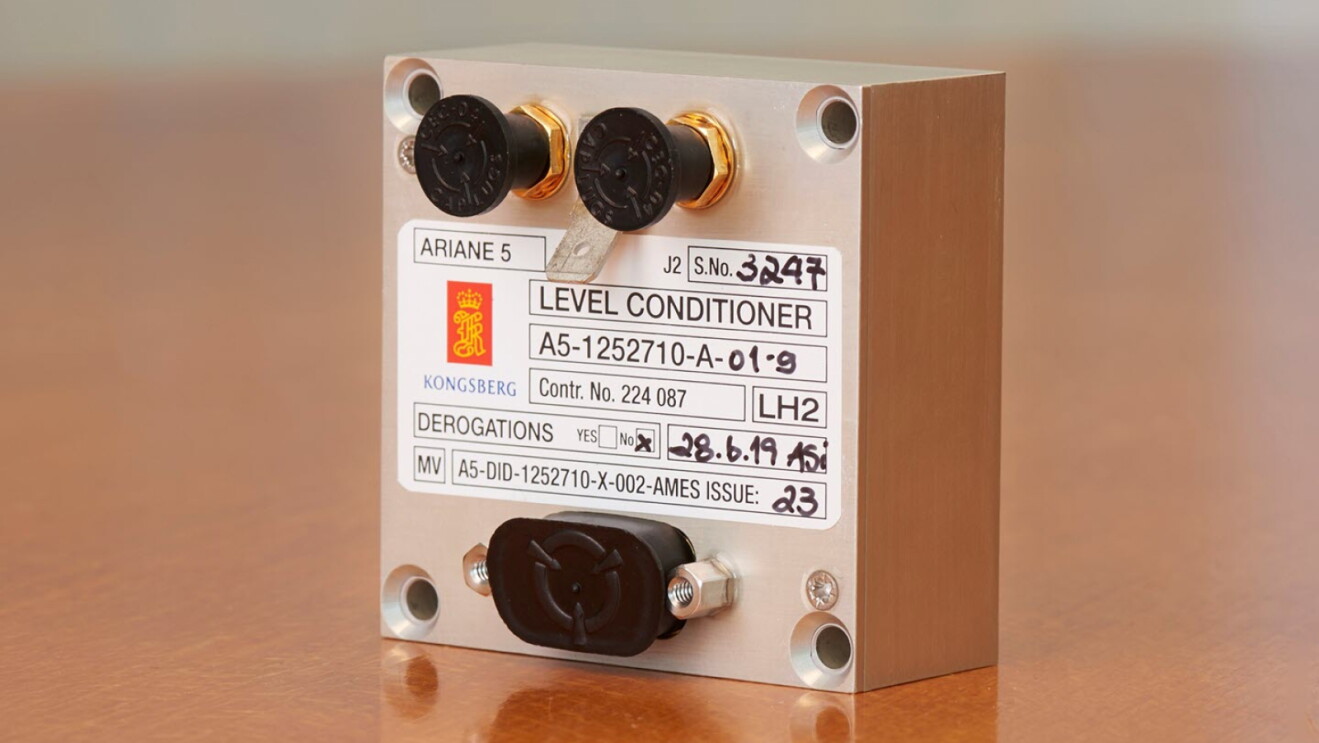
Also in France, Watt & Well builds a controller that helps manage Ariane 6’s fuel during flight. “From early prototypes to delivering one unit per month to ArianeGroup standards, this journey reflects our commitment to reliability and our ambition to grow alongside Ariane and future space programs,” said Frédéric Vittrant, director of Watt & Well’s Defense & Space business unit.
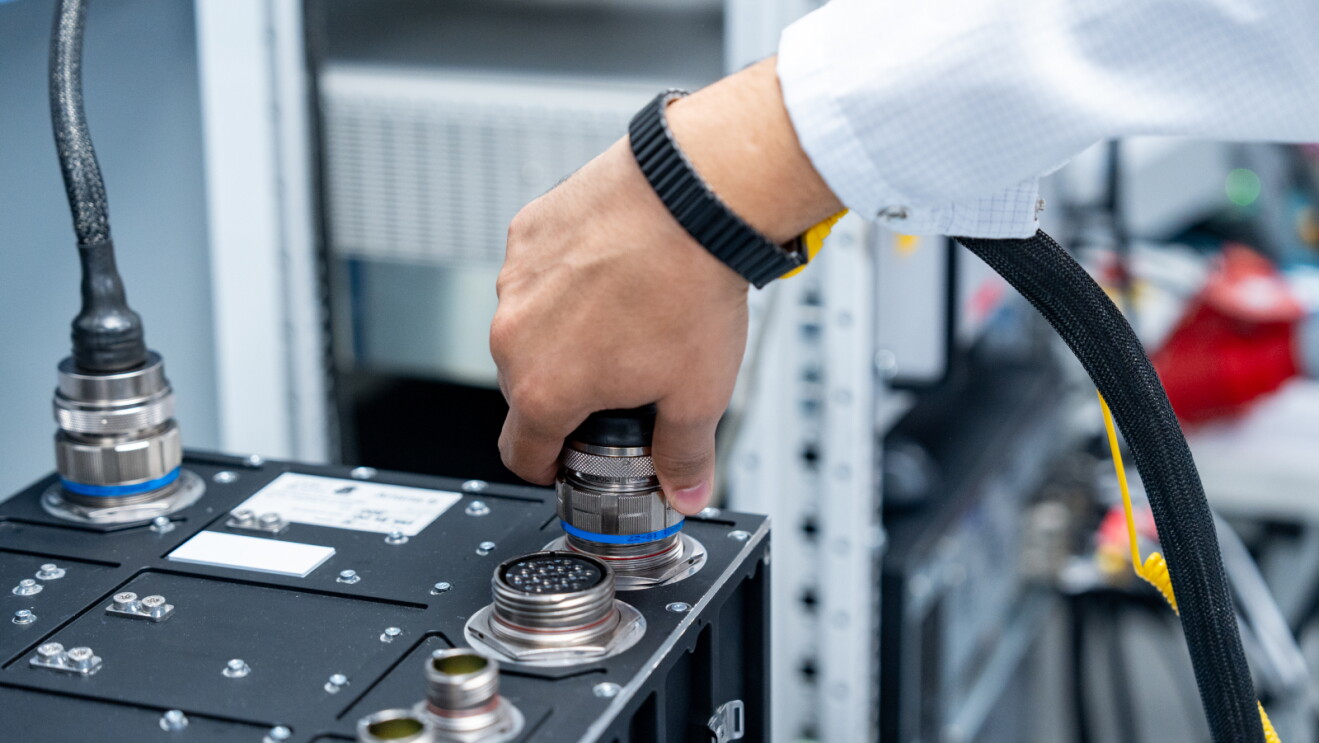
In France, Watt & Well builds a controller that helps manage Ariane 6’s fuel during flight.
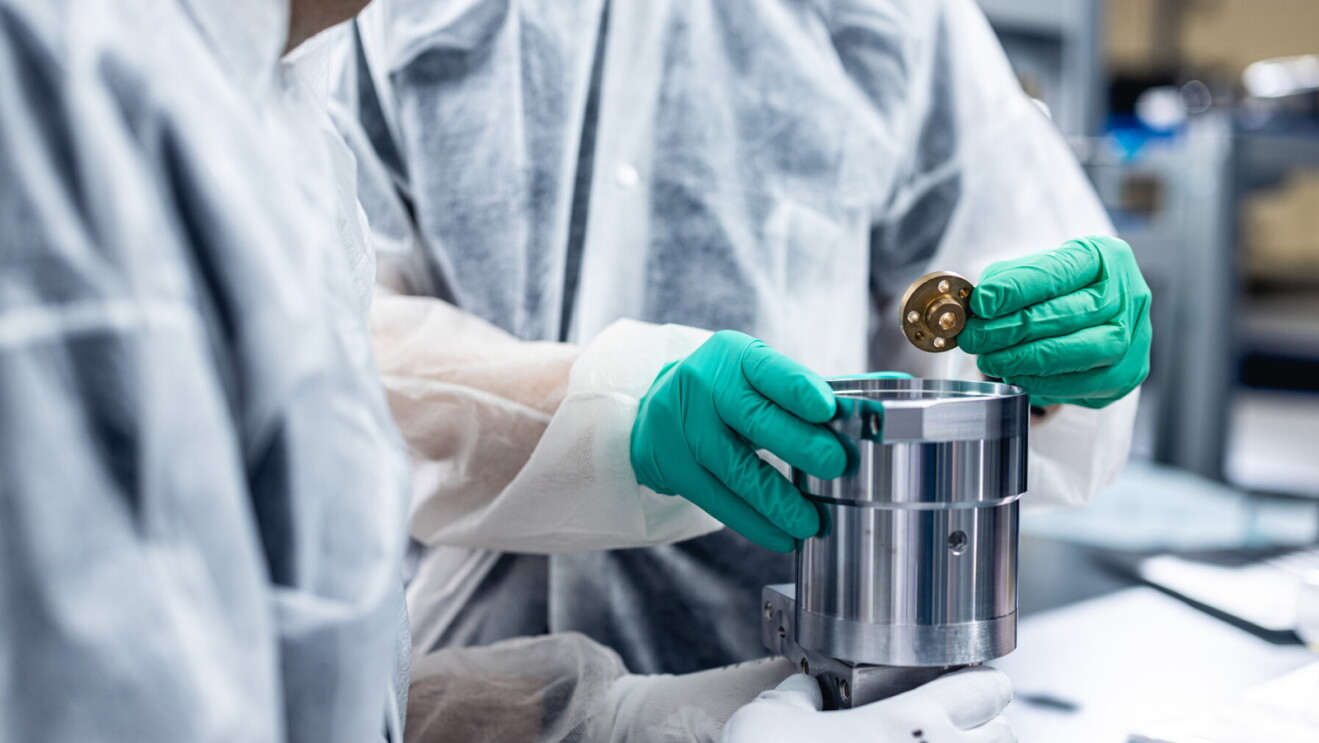
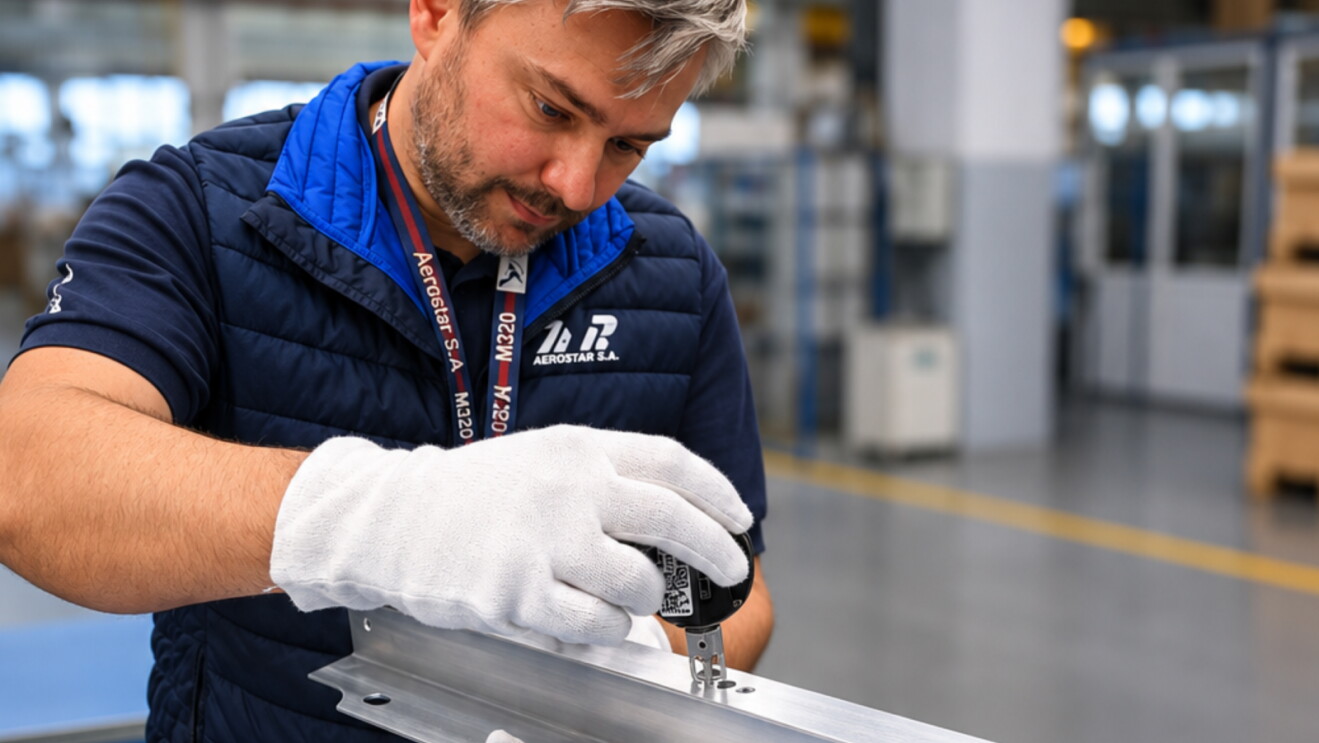
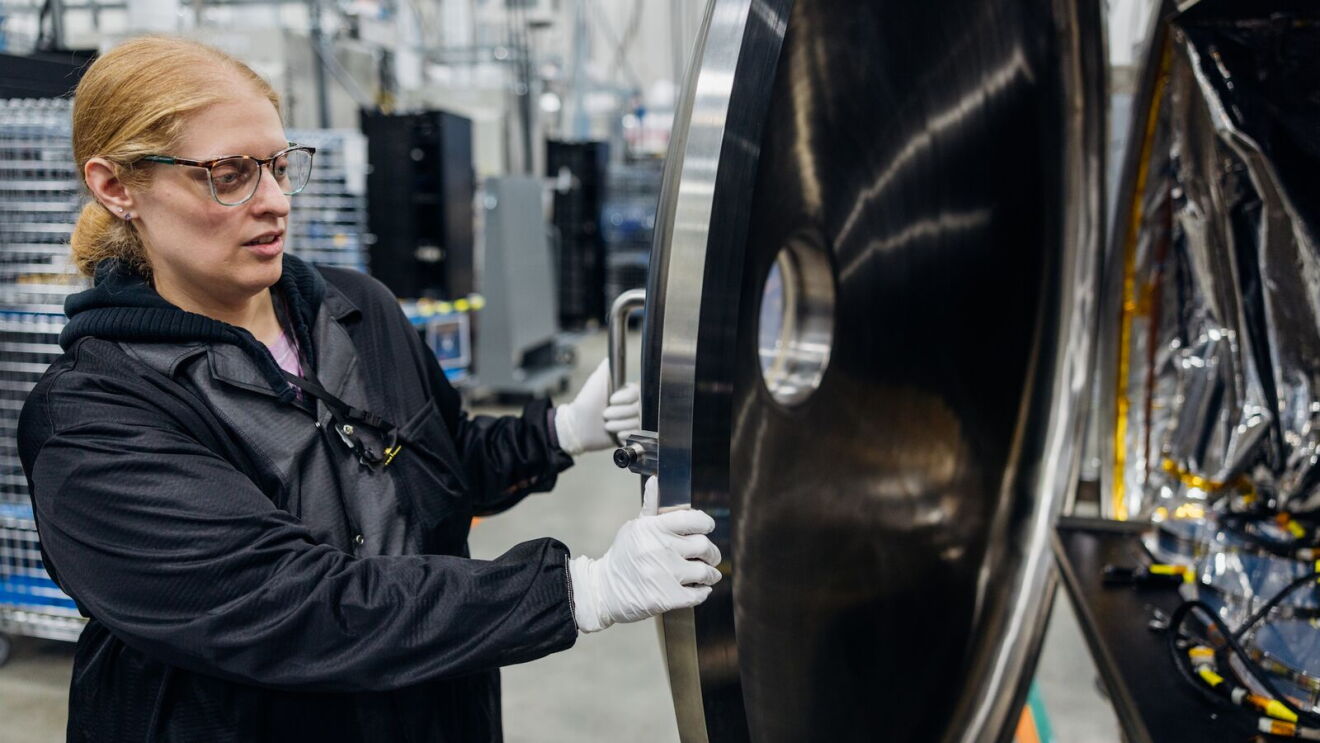
More than 2,000 kilometers east, in Bacău, Romania, Aerostar S.A. makes precision metal structures for every stage of Ariane 6, including the tunnel that protects the rocket’s wiring. “Every component produced by our team undergoes rigorous inspection to withstand extreme flight conditions and contribute to the success of European launches and Amazon Leo missions,” the company said.
In Horten, Norway, Kongsberg Space has worked on Ariane rockets for more than 35 years, delivering more than 3,000 units across three generations. For Ariane 6, its teams build the electronics that track how much fuel is left in the tanks, the fittings that hold the side boosters in place, and safety equipment used during launch.

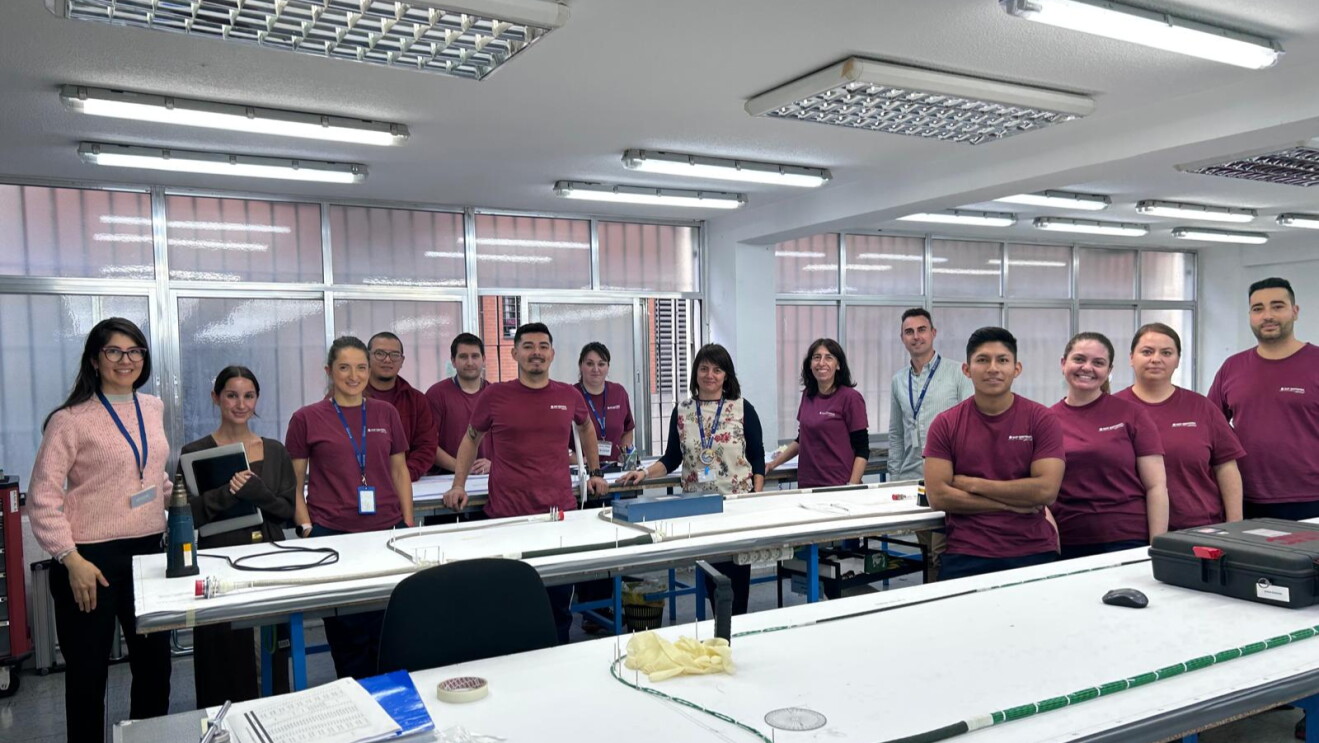
In Madrid, Spain, Sintersa brings 40 years of experience to the wiring that carries power and data around Ariane 6. Its highly skilled team sees a direct link between that work and the mission itself, describing the company as “proud and humbled” to help bring better connectivity to the world through innovation and technology.
In Turin, Italy, Microtecnica, part of Safran Group, has supported Ariane rockets since the 1990s. It makes the valves that control the flow of fuel at temperatures close to absolute zero, where every part needs extreme precision. “Ariane 6 is our pride and a challenge driving industrial growth,” said Elena Schicchi, the company’s program manager for Ariane.
Transporting the rocket across the Atlantic
The different elements of Ariane 6 come together at Europe’s Spaceport in Kourou, French Guiana, in South America—but getting them there involves a journey of their own.
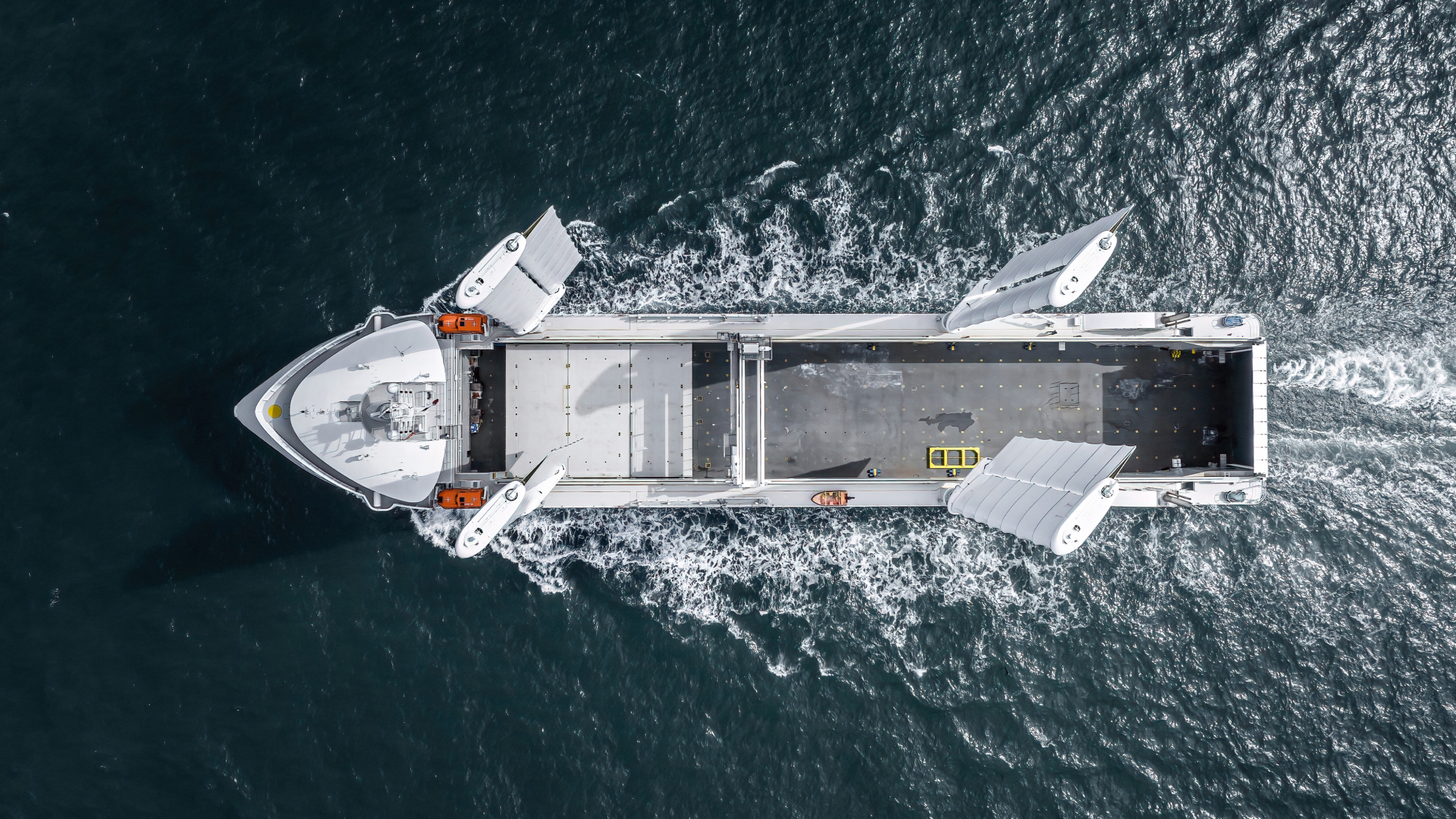
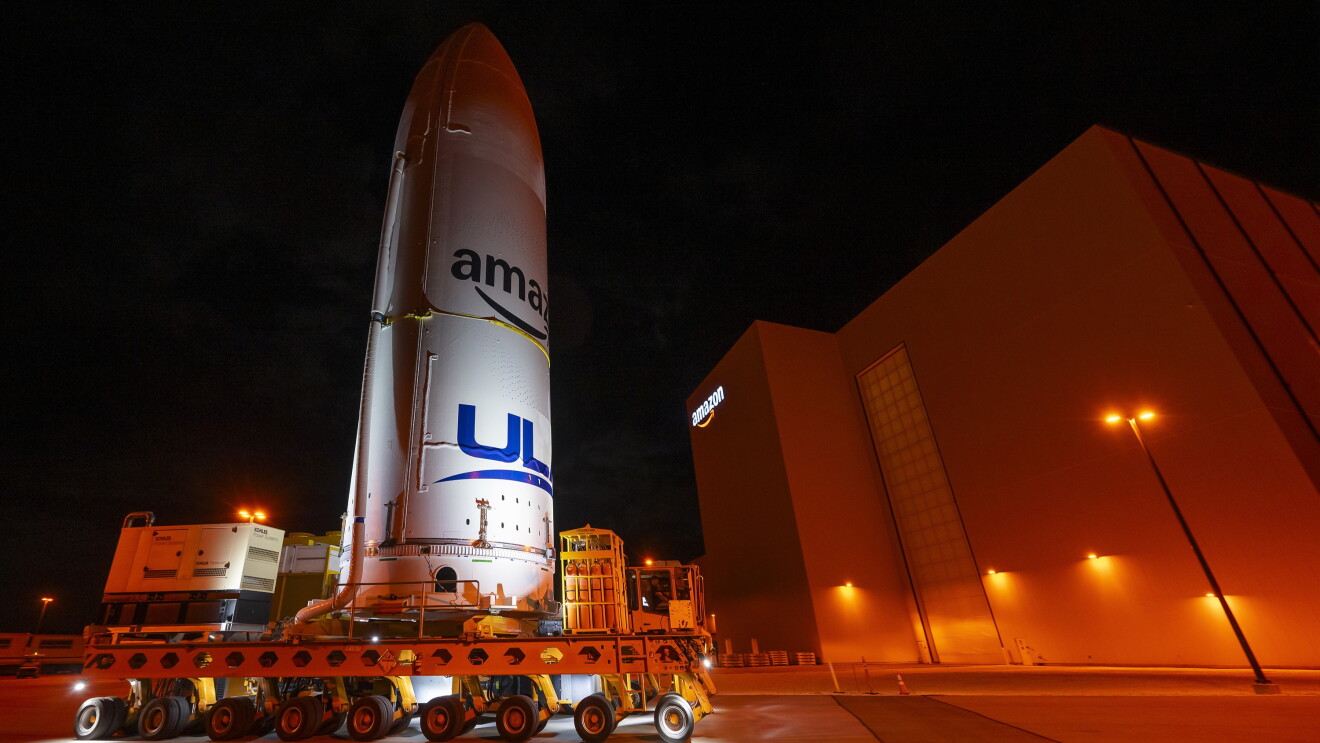
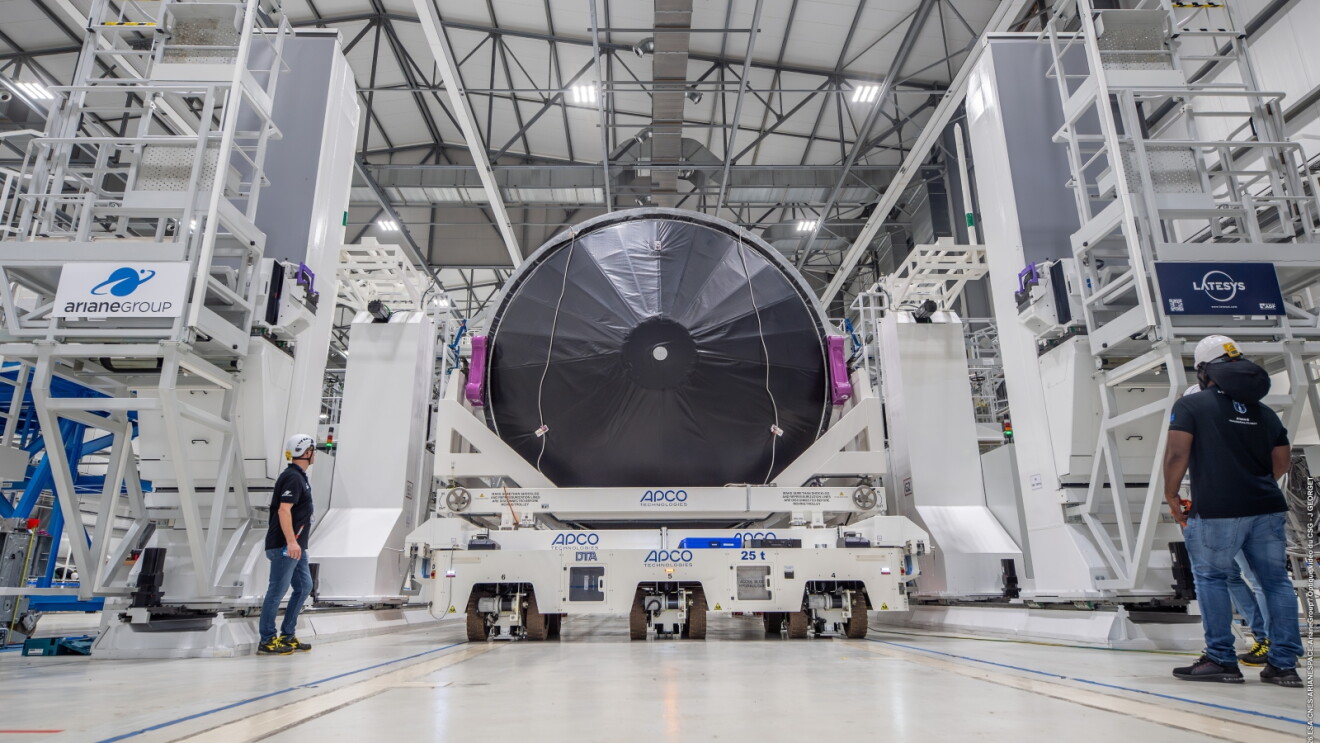
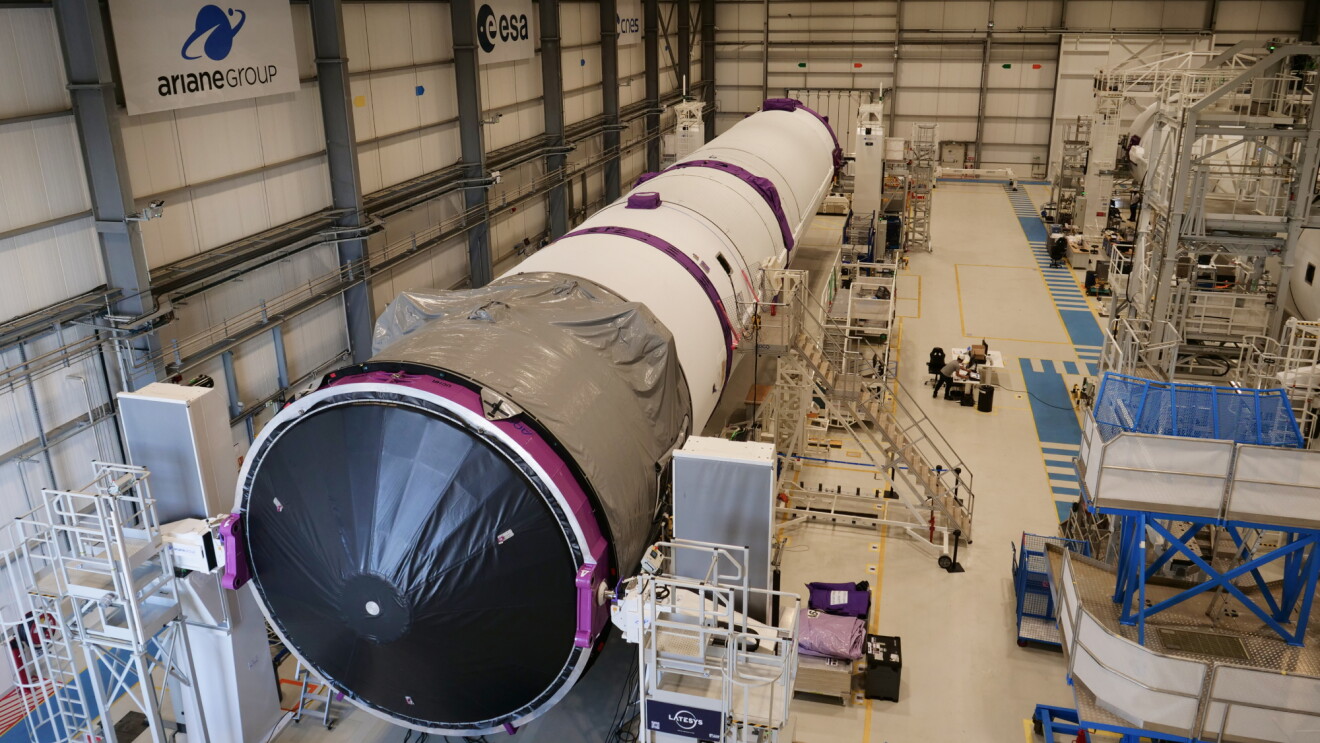
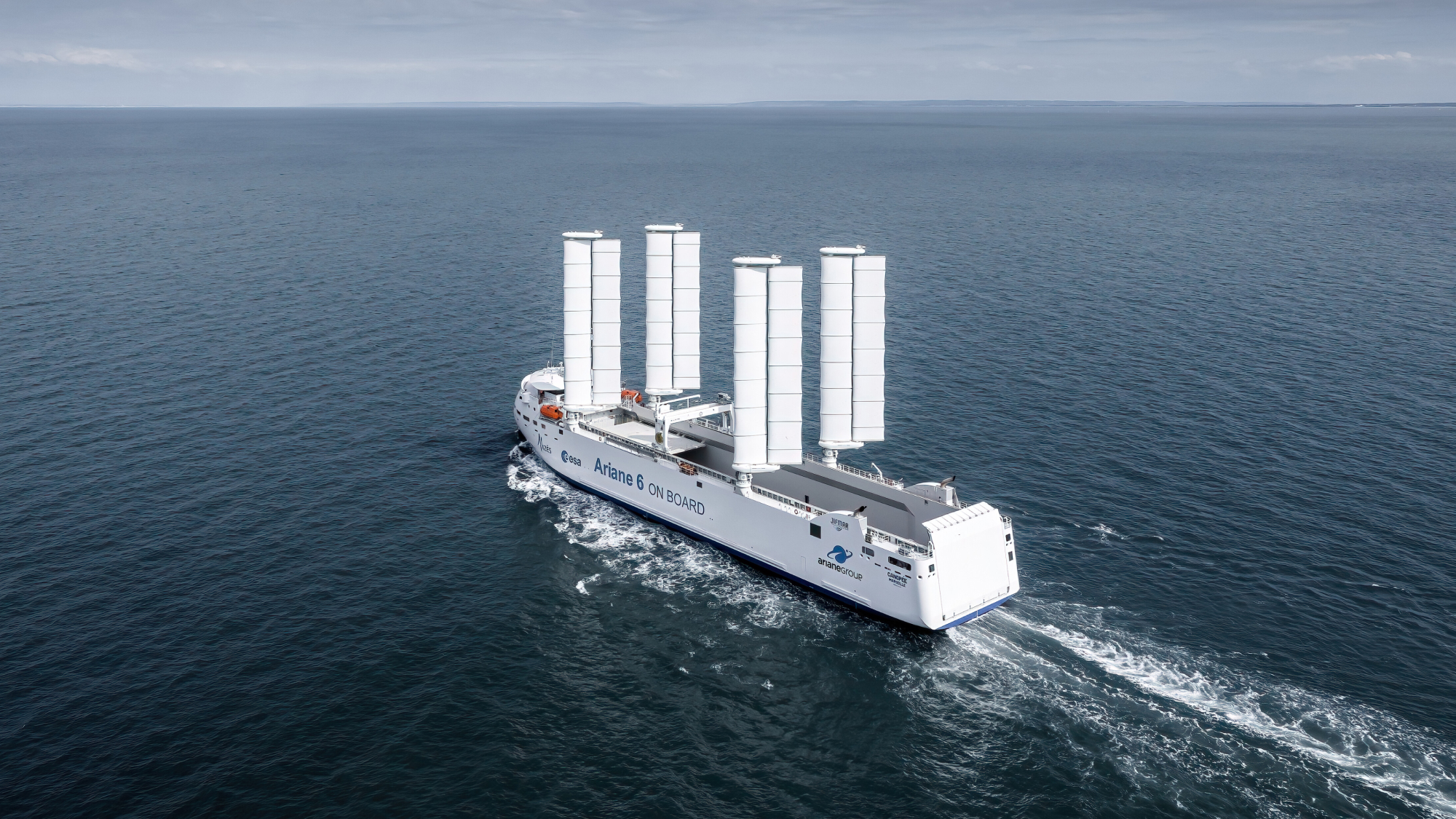
The lower section of the rocket is assembled near Paris, while the upper section—which carries the satellites to their final orbit—is assembled in Bremen, Germany. These sections, along with other components that make up the Ariane 6 launcher—such as the fairing and booster elements—are transported across the Atlantic aboard Canopée, a sail-assisted cargo ship built for Ariane 6. In French Guiana, the launcher is integrated and prepared for flight.
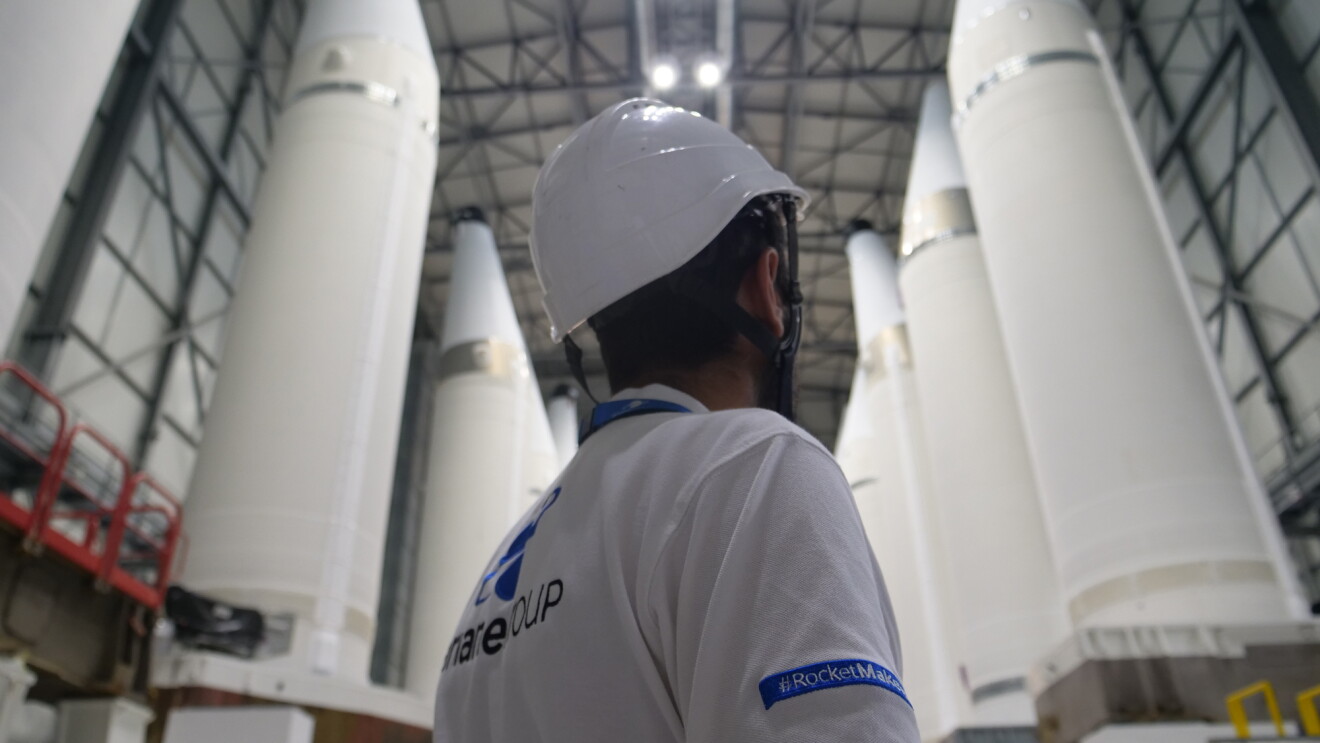
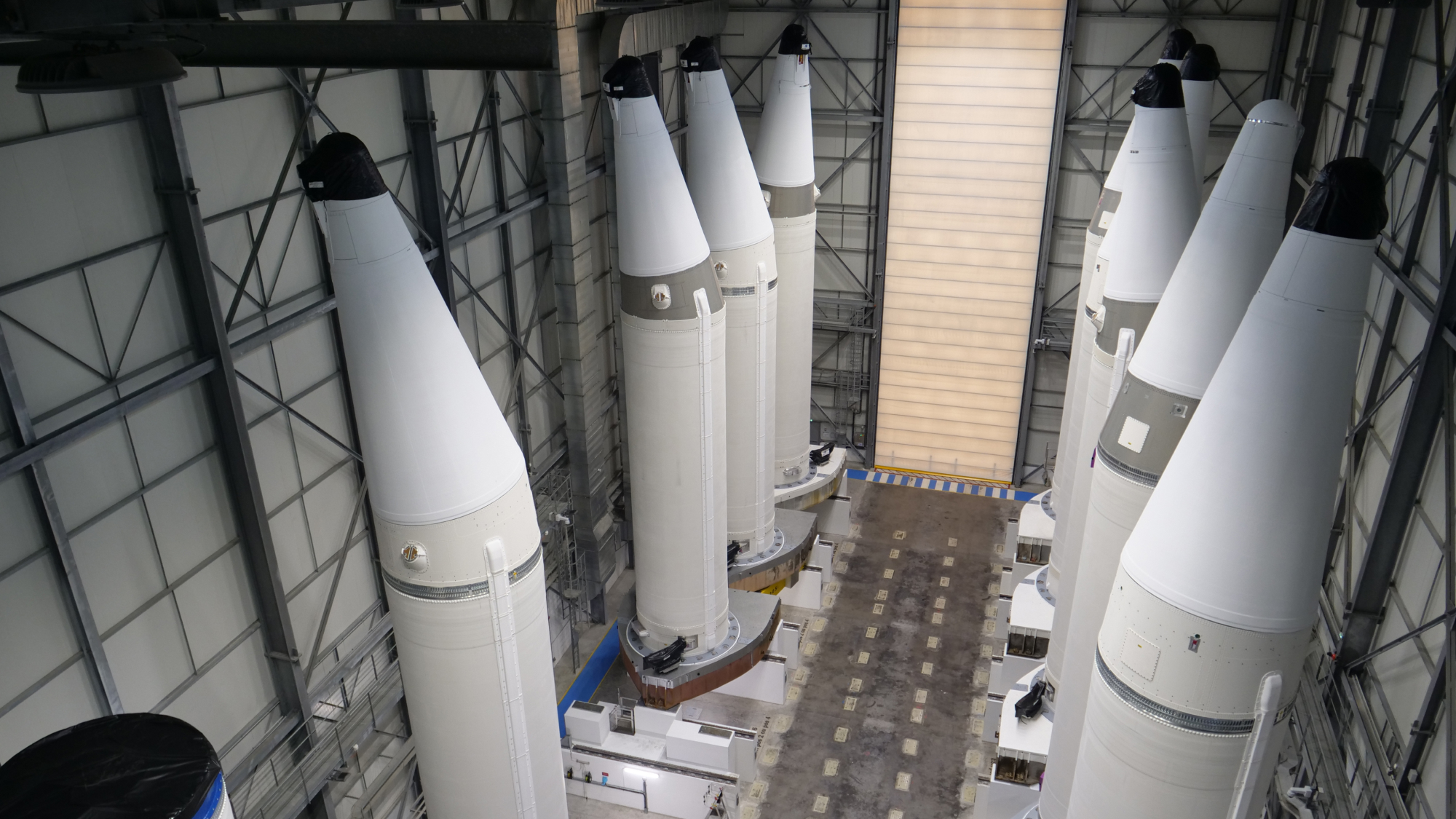
Amazon Leo missions use Ariane 6 in its four-booster configuration, known as Ariane 64. The four solid rocket boosters provide the additional thrust needed to lift the satellite payload into space. They are prepared well in advance and stored until they are needed for a particular launcher.
For Demay, the dedicated storage facility is one of the clearest signs of the program’s growing momentum. “In the booster storage building, you can see the ramp-up of Ariane 6,” he said. “All the boosters, already prepared, waiting for the launchers at the end of this year and next year.”
Amazon Leo and Arianespace plan for the long term
The work behind each launch starts years before the launch campaign. While mission-specific preparation begins months ahead of liftoff, Demay estimates that, for components with long lead times, production planning starts two to three years before a flight.
That makes visibility of future missions important for the companies involved. Knowing what is coming allows suppliers to plan production, capacity, and resources well in advance, rather than treating each launch as a standalone order.
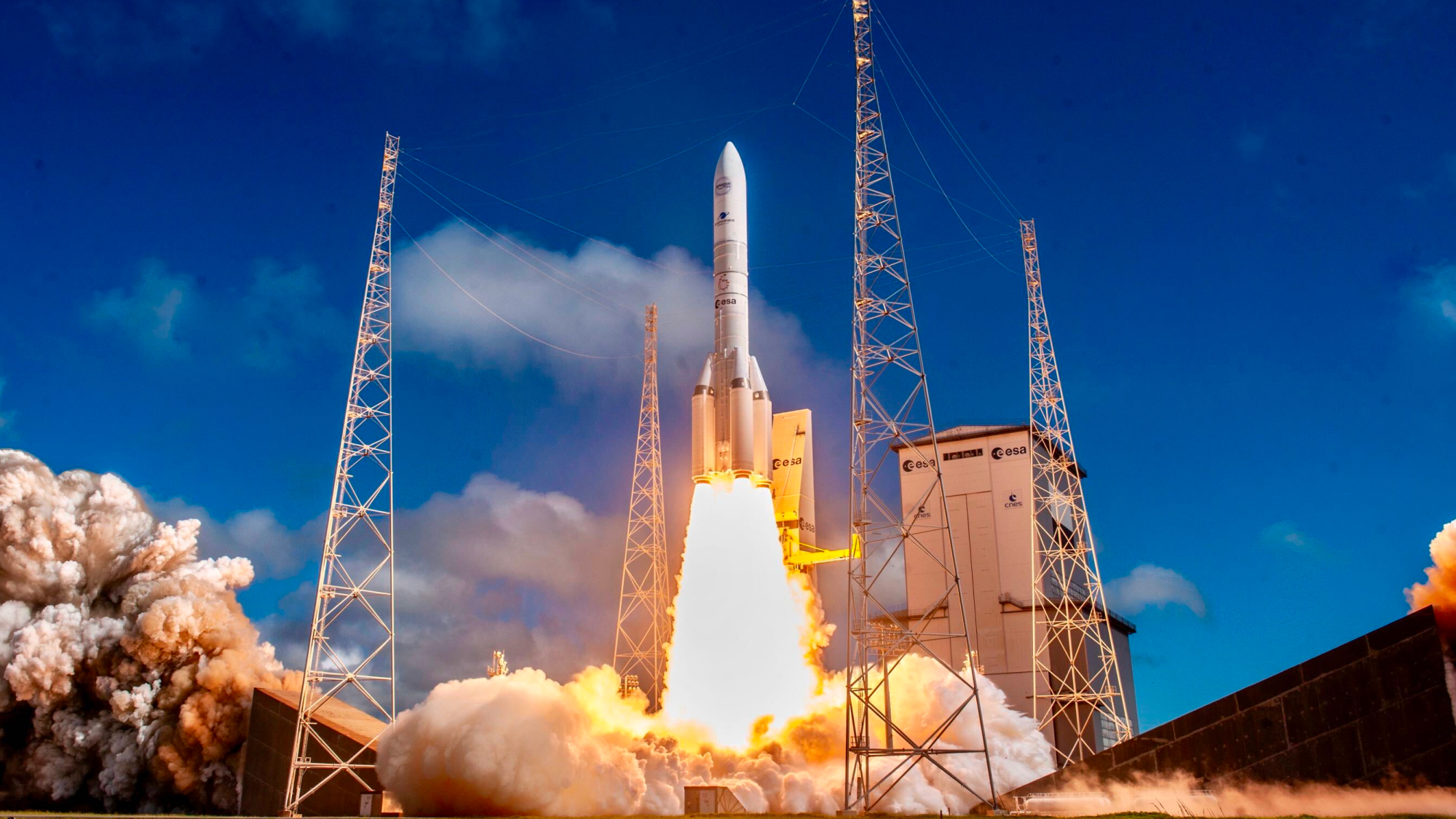
In September 2026, Amazon Leo and Arianespace expanded their agreement by six additional Ariane 6 launches, bringing the total number of contracted launches to 24. “That’s really good for us to plan several launchers in advance, and it’s pretty interesting in terms of the supply chain,” Demay said.
For ArianeGroup and its suppliers, that longer-term view can help inform decisions about materials, production capacity, staffing, and investment. It also supports planning for a higher launch cadence.
What Amazon Leo’s satellite network means for European partners
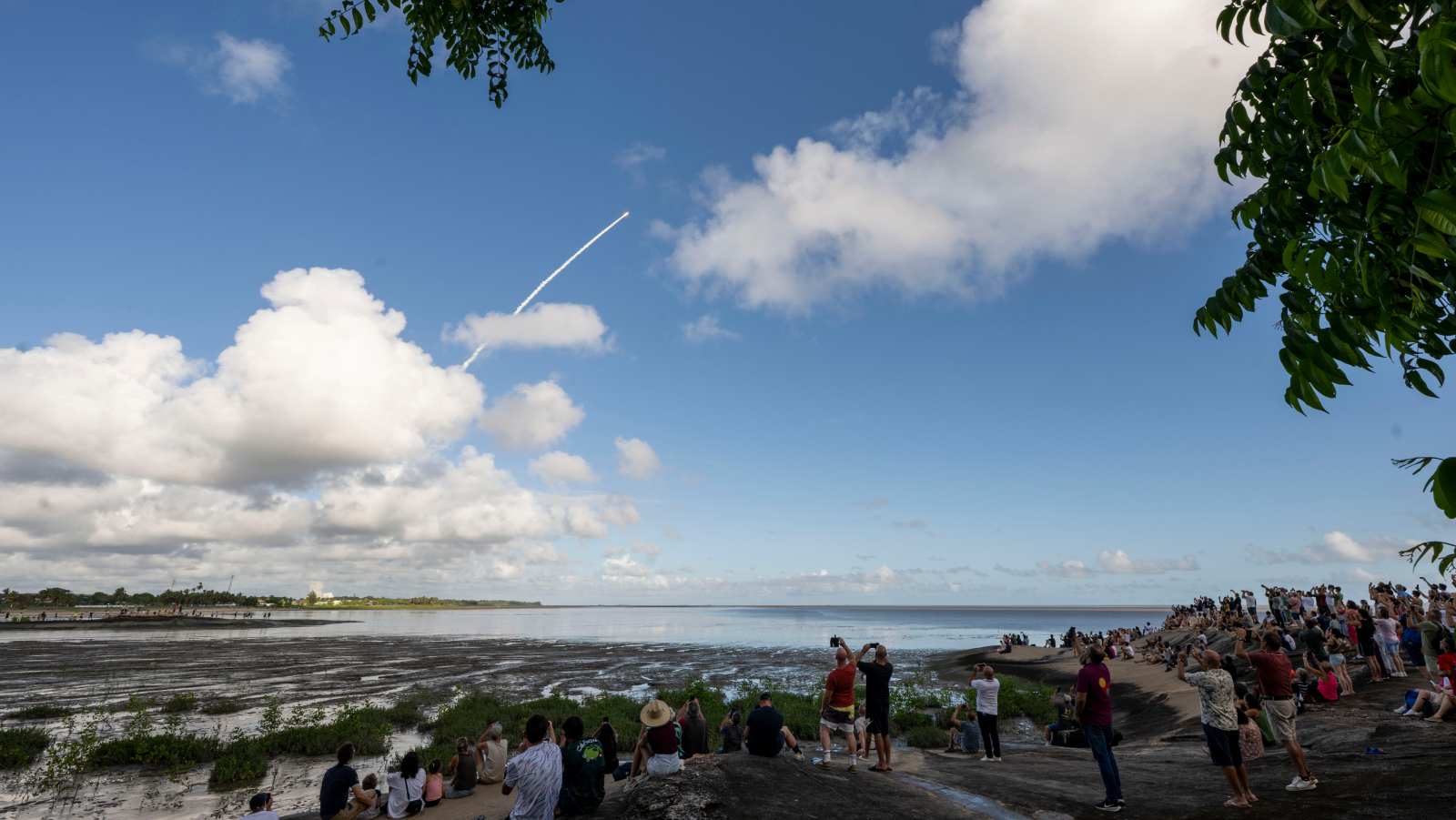
For Demay, Amazon Leo's connectivity mission makes the partnership particularly meaningful.
“As a European citizen, this kind of connection across borders is really important,” he said. “Creating opportunities to access digital services, enabling people and communities to connect, collaborate, and cooperate across borders. Exactly the way we are working on Ariane 6.”
It's a reminder that the relationship works in both directions. European engineering, manufacturing, and launch capabilities are helping build Amazon Leo's global satellite network. And the network being built has the potential to help people and businesses—including factories and facilities in difficult-to-access regions—stay connected.
Trending news and stories