
Key takeaways
- Herotel, an internet service provider, will bring Amazon Leo’s satellite technology to South Africa through a new service called evry.
- Herotel will use evry, powered by Amazon Leo, to connect households and small businesses.
- The aim is to address a connectivity gap for millions of South Africans in rural areas.
Amazon Leo has entered into an agreement with Herotel, South Africa’s largest fixed internet service provider, to bring satellite internet to South Africa through a new service called evry, powered by Amazon Leo.
Under the agreement, Herotel will use Amazon Leo’s technology as part of Herotel’s new service evry. Evry is expected to launch commercially in 2027 to connect residential customers in South Africa. This is the first Amazon Leo agreement of this kind in Africa.
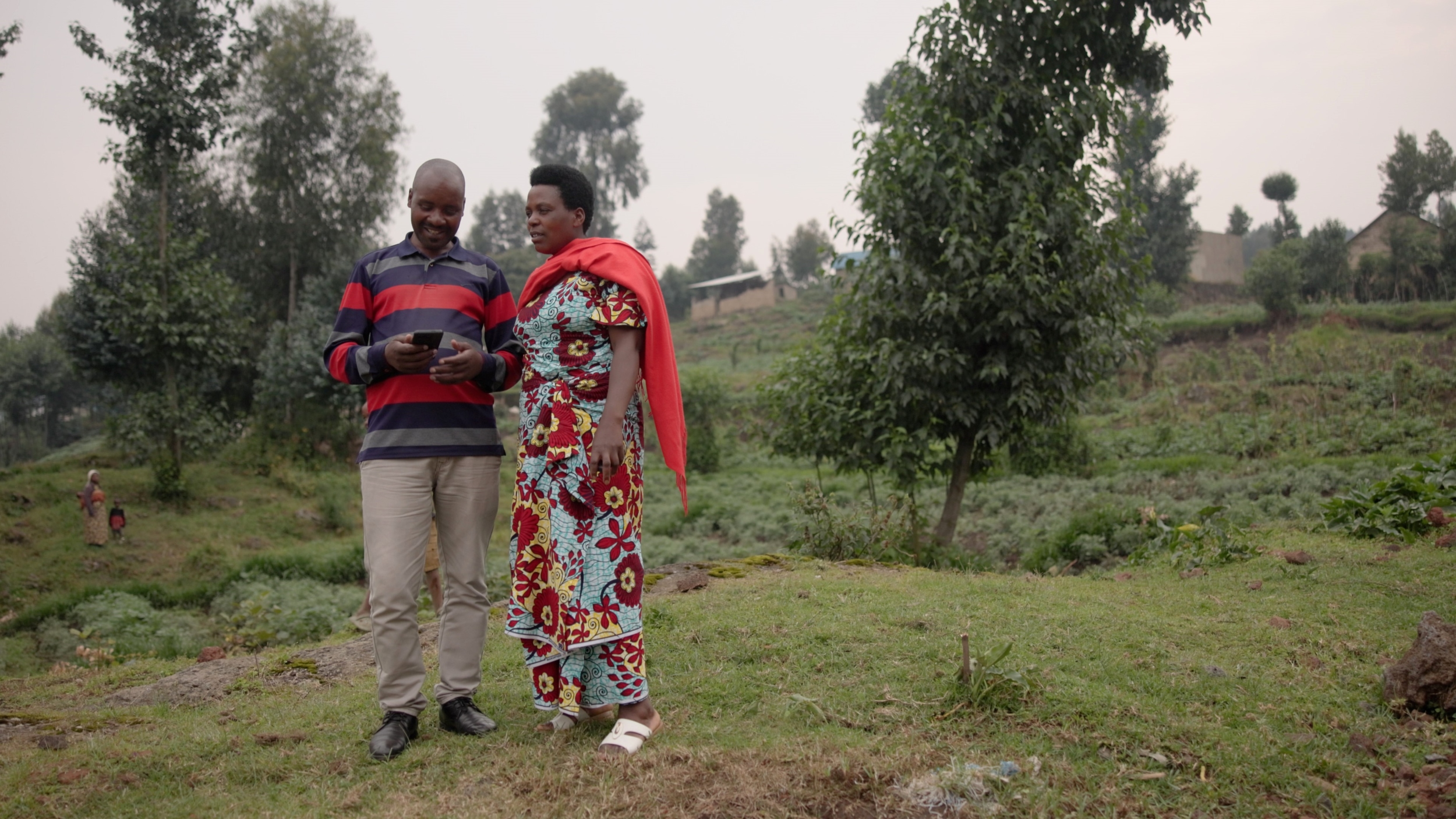
The agreement addresses a persistent challenge: millions of South Africans living on farms, in small towns, and in rural communities still lack reliable internet because distance, terrain, and low population density make traditional infrastructure impractical and costly.
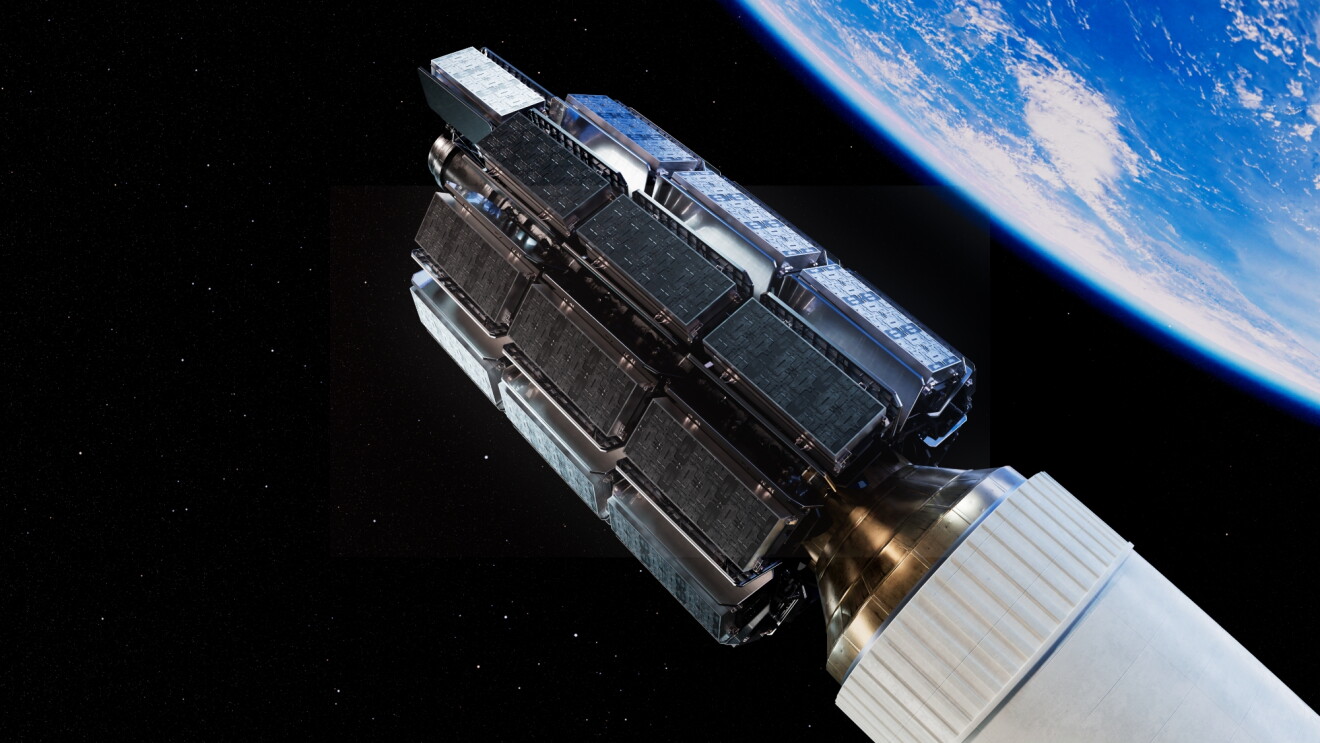
Amazon Leo's satellites orbit approximately 590 kilometers above Earth—far closer than traditional geostationary satellites at more than 35,000 kilometers—supporting lower latency for everyday use cases including video calls, streaming, remote work, and online learning. Customers connect through compact antennas, with no need for fiber or fixed wireless infrastructure at their premises.
Herotel currently serves more than 350,000 active customers across more than 550 towns through fiber and fixed wireless networks, with 120 local offices nationwide. That existing infrastructure will support evry from day one, providing local installation, customer service, and field operations.
“Amazon Leo and Herotel share the same mission to empower all South Africans through access to high-speed internet. Herotel has spent years building connectivity across South Africa's farming towns, small businesses, and communities on the outskirts, and with Amazon Leo they can now reach even more people,” said David Zapolsky, Amazon’s Chief Global Affairs and Legal Officer. “This collaboration is about breaking down barriers and unlocking opportunity for millions of people who don't yet have reliable access for work, education, or the services they depend on.”
"We have always believed that South Africans outside the major metros deserve reliable, affordable internet," said Van Zyl Botha, CEO of Herotel. "With evry, powered by Amazon Leo, we will reach the customers that even fiber and fixed wireless cannot serve. It no longer matters where you live."
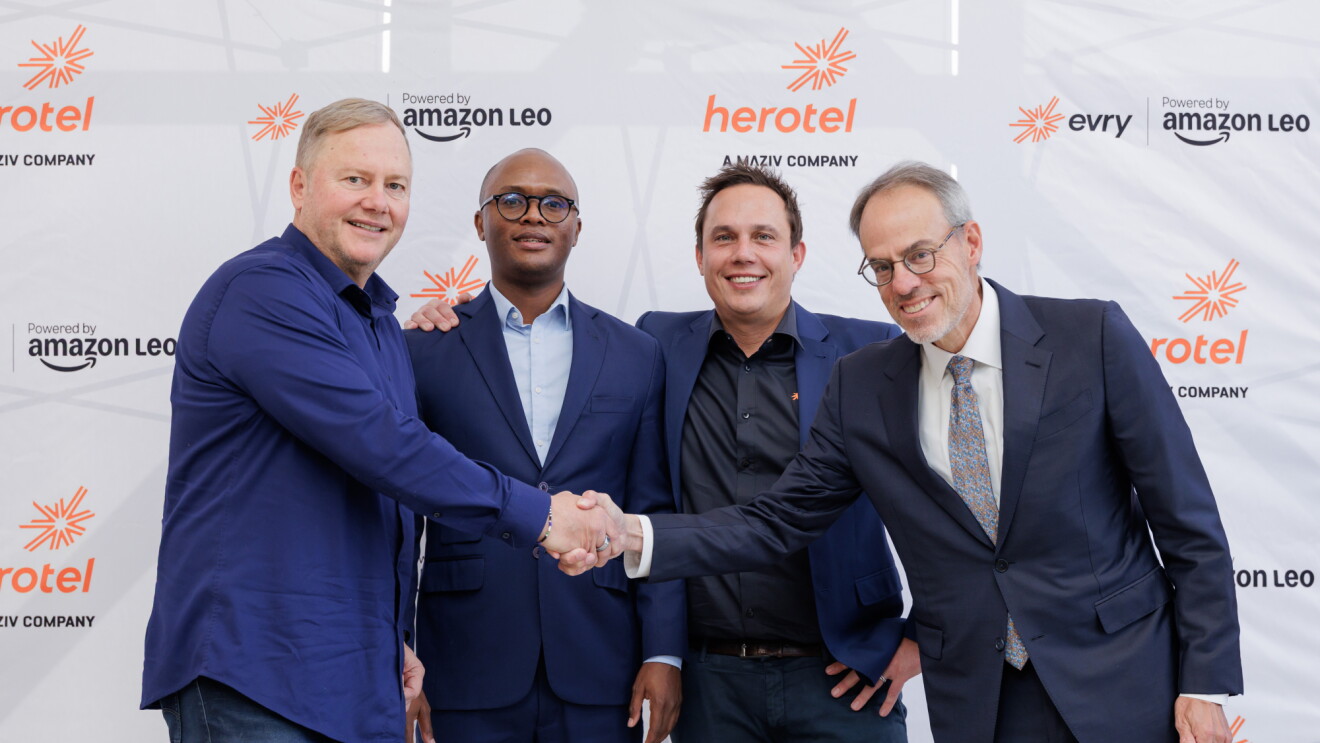 From left to right: Dietlof Mare (group CEO at Maziv), Solly Malatsi (Minister of Communications and Digital Technologies), Van Zyl Botha (CEO and co-founder of Herotel), and David Zapolsky (chief global affairs and legal officer at Amazon).
For Amazon, the announcement extends a commitment to South Africa that now spans more than two decades—and builds on growing momentum of Amazon Leo across Africa. Vanu, Inc., a provider of mobile network equipment, is also working with Amazon Leo to bring cellular connectivity to rural communities across the continent, starting in South Africa. Together, these efforts will support connectivity in southern Africa, a region where nearly a quarter of the population remains entirely outside network coverage—and where non-geostationary satellite systems could help to generate up to $16.9 billion in annual economic benefits, according to an Access Partnership report.
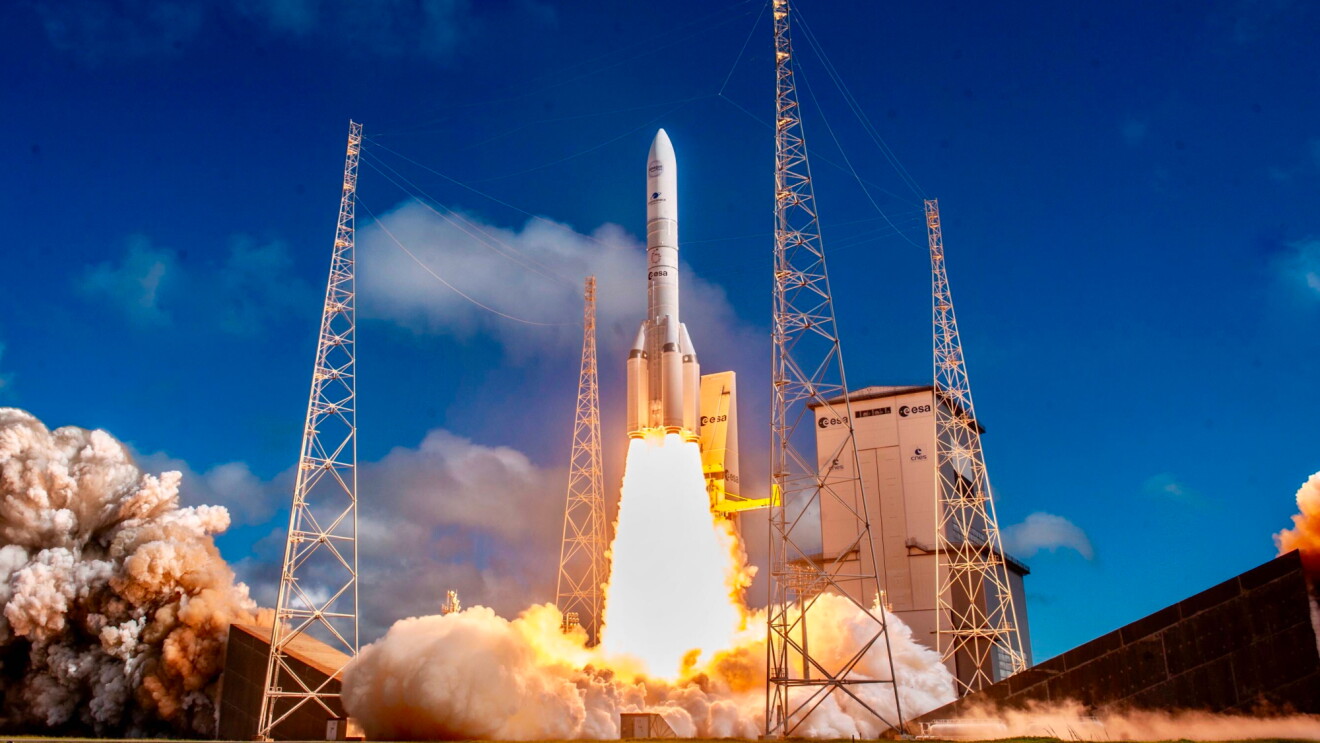
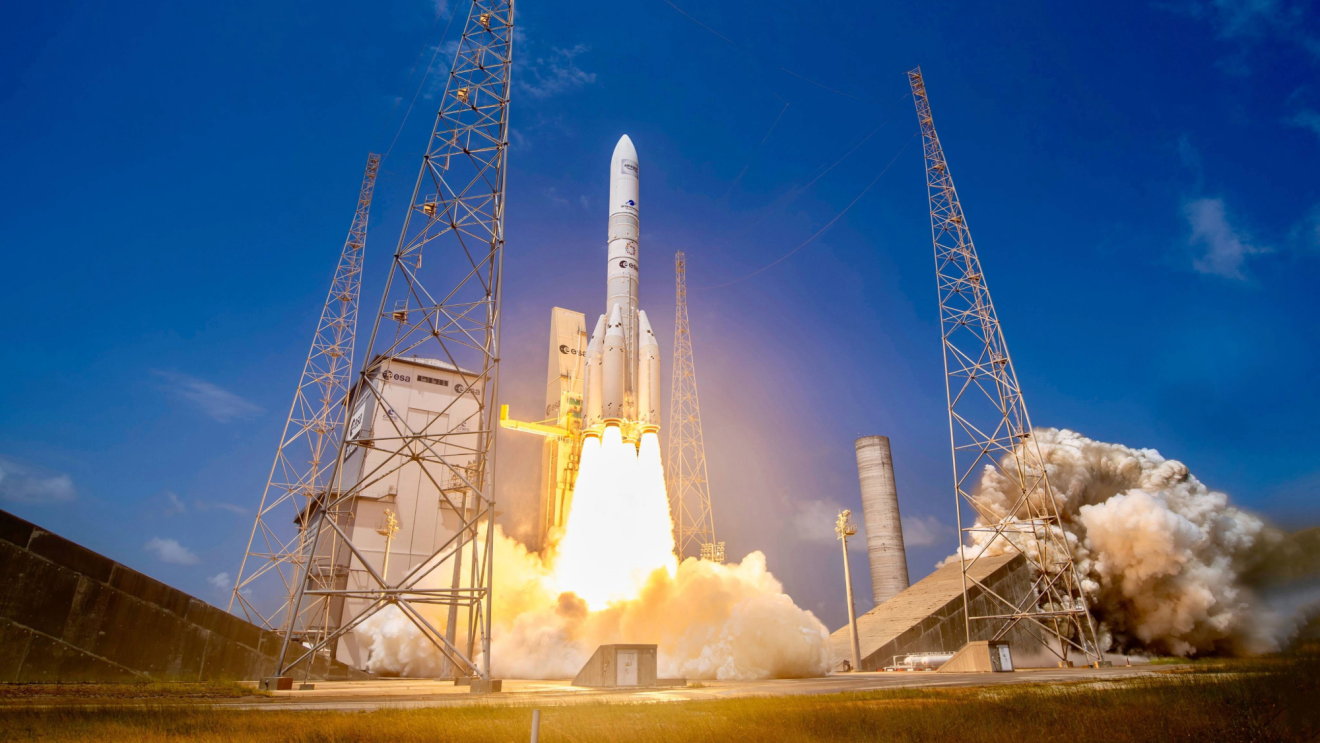
Amazon Leo has more than 390 satellites deployed, enough to start providing initial service this year across certain latitudes, and will continue rolling out more broadly as it adds coverage and capacity to the network.
More news from around the world
- Amazon invests in one of the world’s largest carbon removal projects, creating 11,000 jobs and restoring nature
- Amazon announces it will invest $48 billion in India by 2030
- Amazon Leo's largest Arianespace launch yet will feature upgraded boosters to deploy more satellites
- Amazon unveils next-gen Proteus robot as part of €10 billion European investment in its fulfillment network