
Key takeaways
- Vanu will use Amazon Leo to connect rural Southern Africa, where 40% of the population lacks connectivity.
- Low Earth orbit satellite systems could generate up to $16.9 billion in annual economic benefits for Southern Africa.
- The technology enables fast installation and high-performance connectivity where traditional infrastructure can't reach.
Millions of people in remote parts of Africa have no connectivity at all. Amazon Leo, Amazon’s low Earth orbit satellite network, was created to help address this. Amazon Leo is partnering with Vanu, Inc.—a provider of mobile network equipment and services—to help bring high-quality internet to rural communities across Africa.
“Even in places like the United States, 20 to 30 million people have no access to broadband internet. In Africa, the problem is an order of magnitude worse. You’re looking at hundreds of millions without any connectivity whatsoever,” said Andrew Beard, CEO of Vanu.
A recent report demonstrates that the collaboration could help to address a critical need in the Southern African Development Community (SADC), where connectivity lags significantly behind global averages. Nearly a quarter of the region remains entirely outside network coverage, particularly affecting rural areas, where approximately 40% of the population resides.
“We can use the Amazon Leo constellation to provide connectivity anywhere, certainly anywhere in Africa and subsequently anywhere in the world,” said Beard. “With Amazon Leo, we can advance our timelines. Leo improves the quality of the connection, provides a faster connection, lowers the cost, simplifies installation, and makes it feasible to provide service virtually anywhere.”
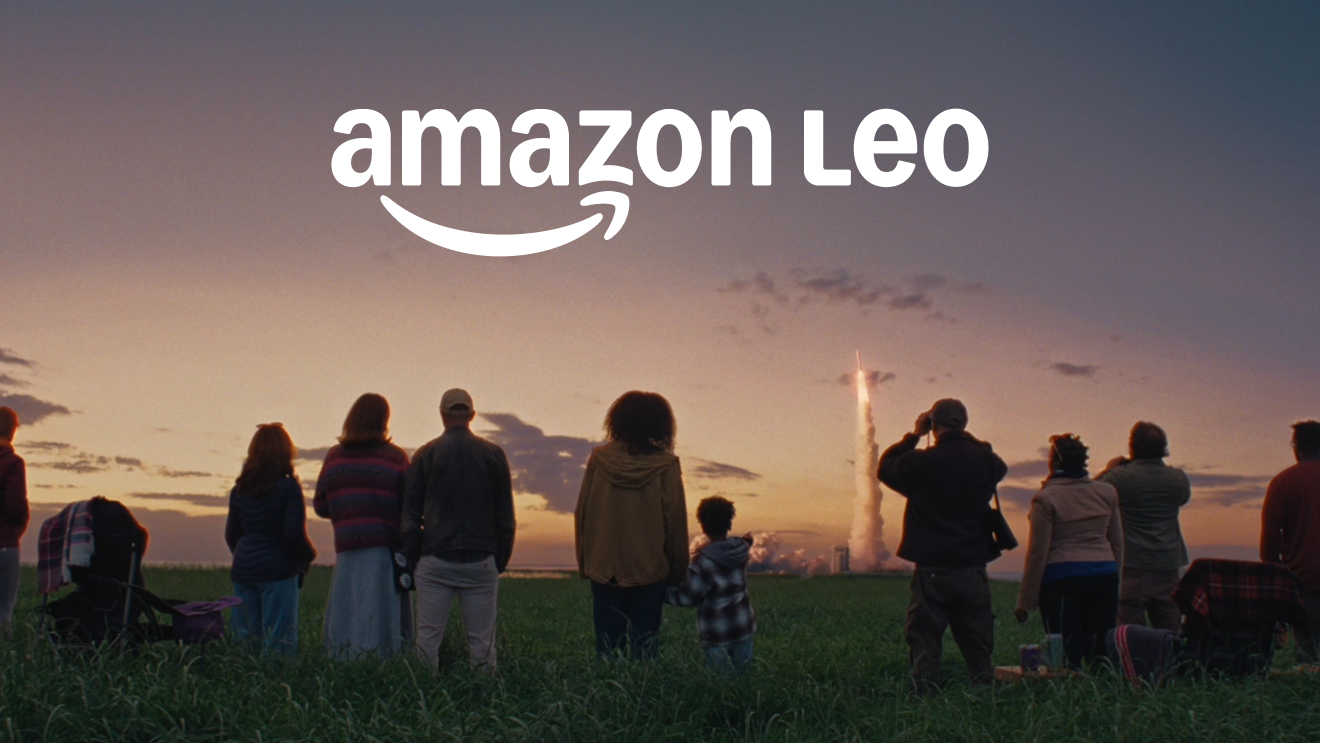
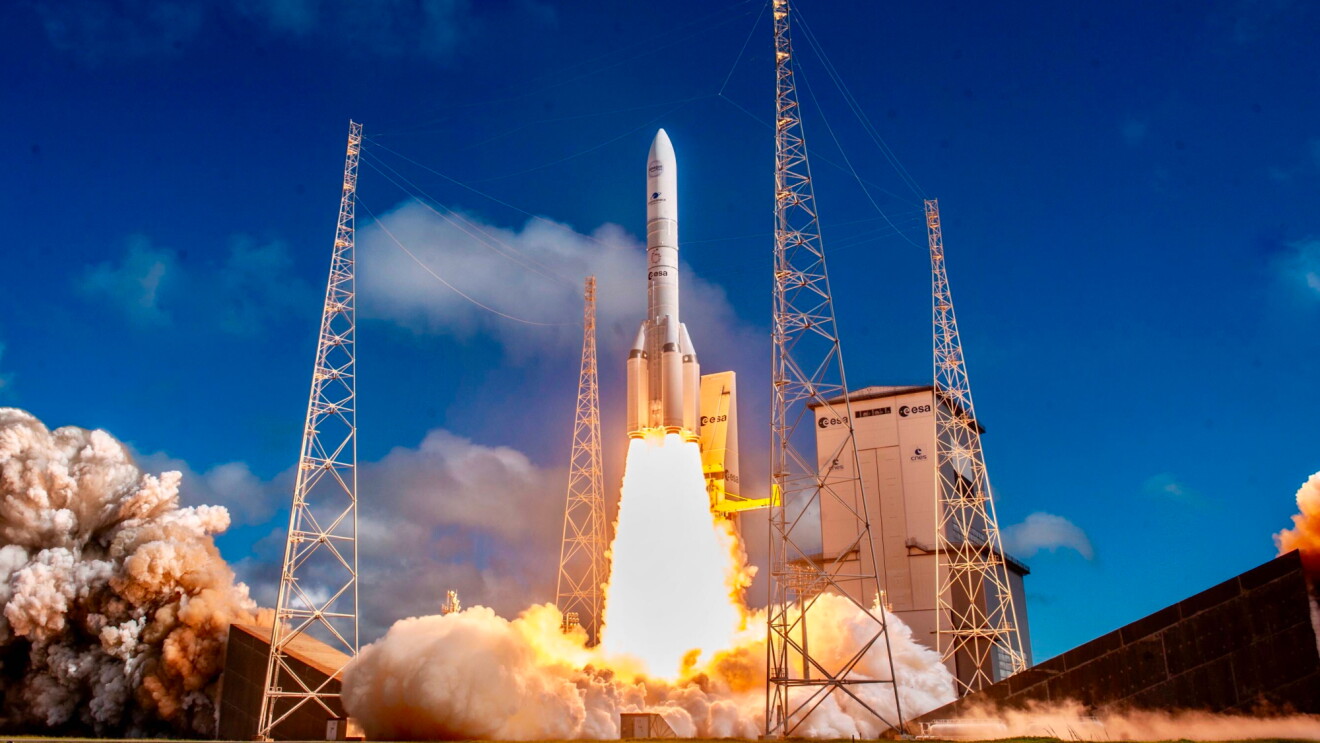
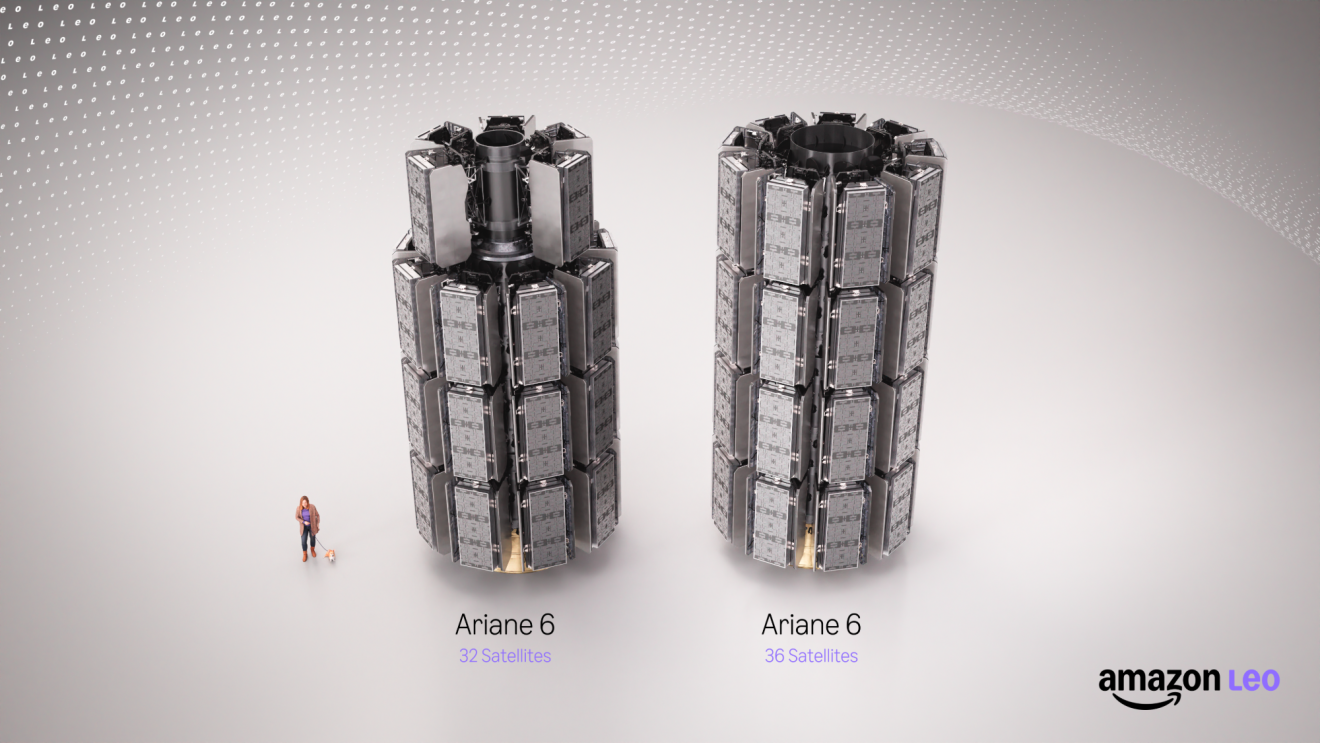
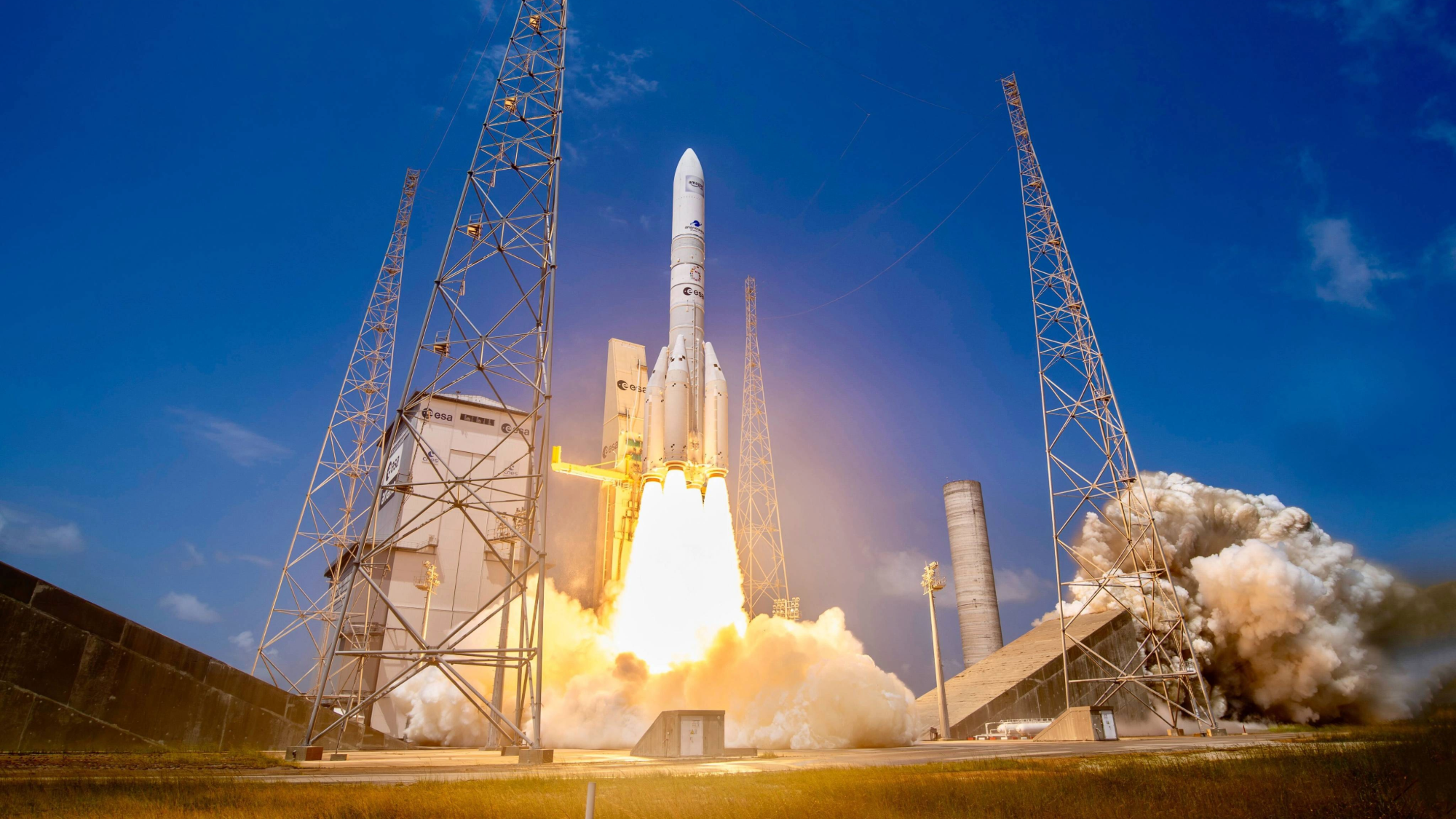
With more than 200 satellites already in orbit—and hundreds more built and ready for launch—Amazon Leo will provide the crucial backhaul infrastructure needed to reach areas that have remained technologically excluded.
Founded in 1998 with offices in the U.S., Rwanda and India, Vanu helps mobile operators extend coverage to new places, including rural areas. By using Amazon Leo to provide cellular backhaul, Vanu can place towers virtually anywhere in Africa and provide faster, higher-quality connectivity with simpler installation and lower costs. This enables operators to serve underserved customers and expand their businesses, while providing vital, high-quality connectivity to entire communities for the first time. Vanu will start to use Leo to expand connectivity in South Africa and expand from there.

"Amazon Leo will enable more people on Earth to connect and thrive. We're building the network, but we need partners with boots on the ground—organizations like Vanu who understand the unique needs of their customers and have the experience to deploy solutions that work for them,” said Chris Weber, Vice President of Consumer and Enterprise for Amazon Leo.
According to an Access Partnership report, the inclusion of non-geostationary satellite orbit (NGSO) systems like Amazon Leo in the SADC’s connectivity mix could support improved internet coverage and usage to generate up to $16.9 billion in annual economic benefits for SADC countries. These systems represent a particularly promising solution for areas where traditional terrestrial infrastructure is impractical due to challenging terrain or low population density.
The economic advantage is substantial—the report indicates that using NGSO systems for backhaul could save local operators at least $10.3 billion in terrestrial infrastructure costs.
Beyond economic development, this connectivity initiative unlocks additional critical benefits across multiple sectors. Connectivity driven by NGSO systems could enable the use of Internet of Things devices for improved vehicle and cargo tracking, potentially translating into road logistics savings of an estimated $5.4 billion by 2030. NGSO-enabled connectivity could also power early warning systems to mitigate natural disasters, potentially facilitating an estimated $1.21 billion worth of cost savings by preventing infrastructure damage.
Satellite technology can complement traditional infrastructure to achieve universal connectivity goals more efficiently. By addressing the needs of those beyond the reach of traditional networks, this collaboration represents a significant step toward expanding reliable digital connectivity across a region where it's sorely needed.
Amazon Leo continues to build out its constellation and will roll out commercial service this year as it adds capacity and coverage to its network.
More news from around the world
- Amazon Leo successfully launches first heavy-lift mission of 2026 with Arianespace
- AWS commits $100 million to expand education access with cloud and AI technology
- Amazon Leo adds 32 satellites with first Arianespace launch on Ariane 6 rocket
- AWS announces Fastnet, a dedicated high-capacity transatlantic cable connecting the US and Ireland