Key takeaways
- Amazon evaluates carriers using rigorous standards and industry-leading technology.
- Smart trailer technology tracks cargo in real time and alerts Amazon's security team if freight is tampered with, deviates from a planned route, or is not moving during transit.
- Amazon's collaboration with law enforcement has led to the dismantling of criminal networks responsible for tens of millions of dollars in theft.
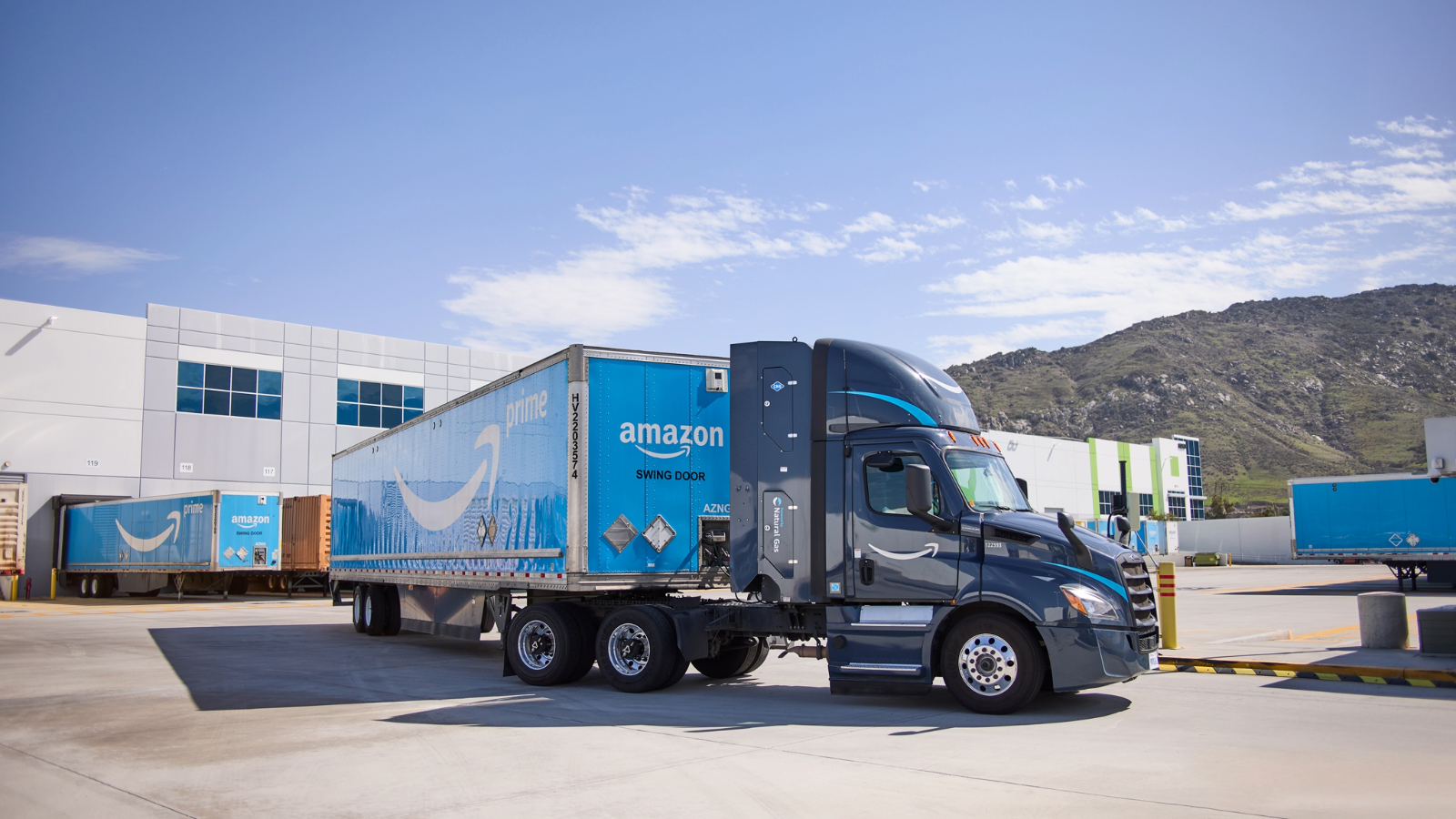
Every day, millions of packages move through Amazon's logistics network in trailers pulled by trucks operated by independent carriers. Keeping freight secure, and keeping dishonest operators out, requires a comprehensive defense system that addresses identity fraud, physical security, and cargo integrity across the supply chain.
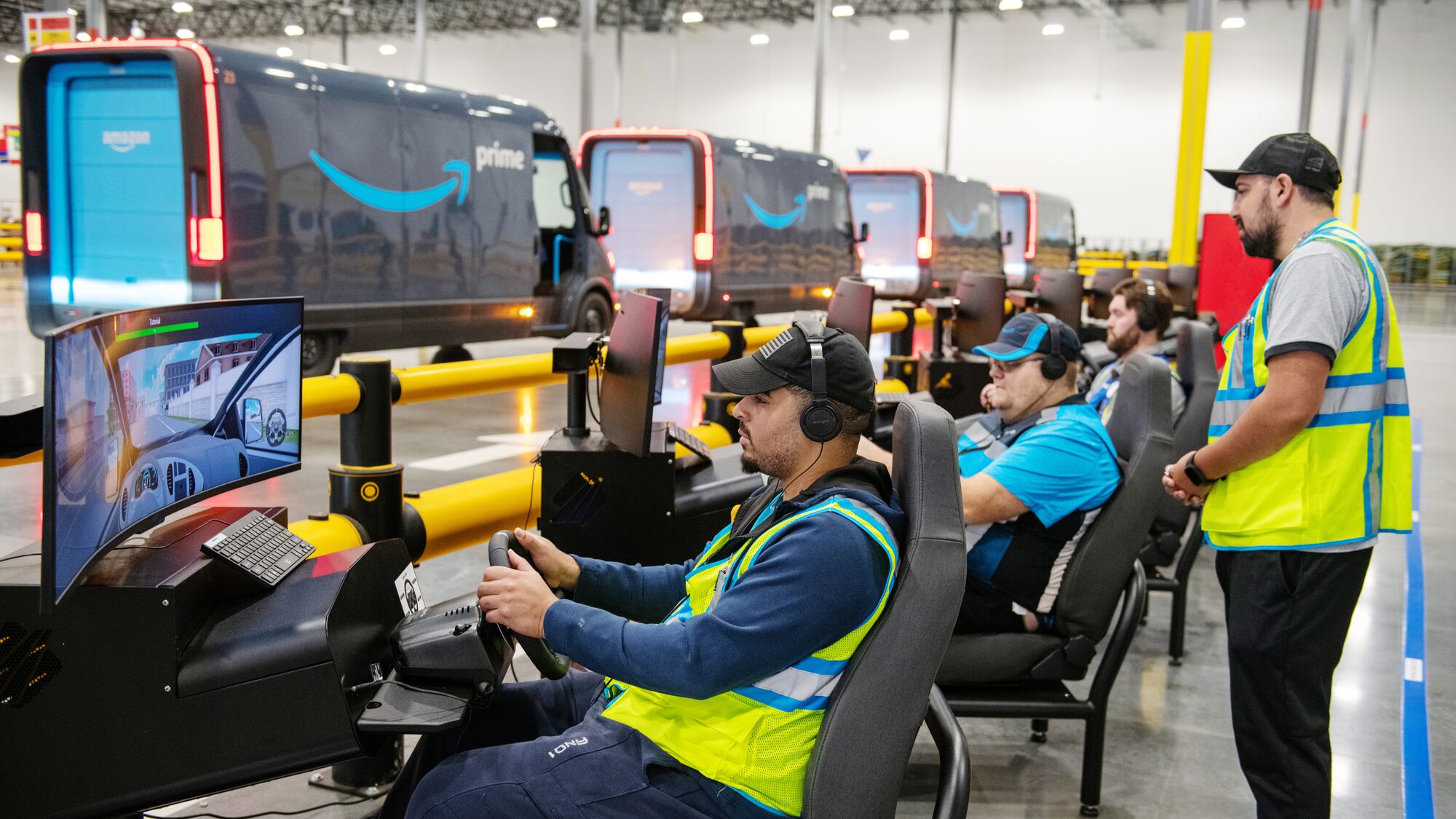
Amazon Relay, our proprietary app for connecting carriers to our freight program to conveniently book and assign work, has strong countermeasures working behind the scenes including daily carrier screening, driver verification, and real-time cargo tracking. We collaborate with law enforcement to fight fraud and protect customers, selling partners, and the honest carriers that move goods on our behalf.
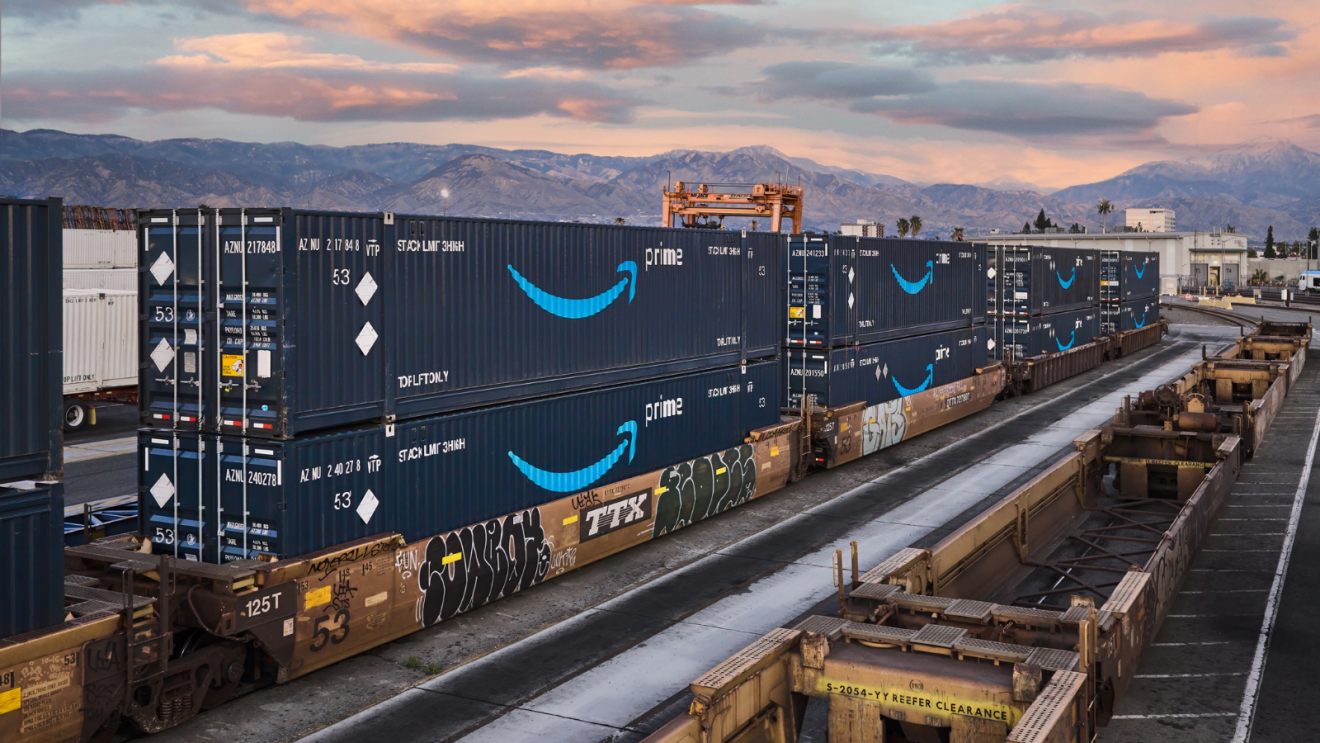
Fraud and theft in the transportation industry aren't new and are forms of organized retail crime (ORC), which is a distinct threat vector from opportunistic cargo theft, though both exploit supply chain vulnerabilities. ORC is an industry-wide issue facing all retailers and logistics providers. Bad actors involved in ORC aggressively attempt to exploit any possible gaps in the global retail supply chain, including stealing from manufacturers, cargo carriers, warehouses, and retailers of all sizes.
Bad actors use increasingly sophisticated tactics that evolve constantly—including variants of identity fraud where they disguise themselves under stolen or fabricated identities—to gain access to freight networks.
Our proactive and reactive measures are rigorous and continue to advance to stay ahead of these threats.
How does Amazon screen and monitor carriers?
Before carriers can haul a single load for Amazon, they go through a comprehensive vetting process with preventive controls that exceed federal requirements. Our Relay program verifies each carrier’s operating authority, ownership, business affiliations, and safety record using multiple cutting-edge technologies. This sophisticated technology confirms their identities and also extends to the drivers employed by carriers, which confirms their identities through real-time photo checks and driver's license validation to ensure only authorized drivers transport cargo for Amazon. We continuously reevaluate these measures to raise our high bar.

One mechanism in our layered approach to identifying safe carriers is our Violation Rate Metrics (VRM) framework. These measures ensure an additional layer of standards, above and beyond standards set by the Federal Motor Carrier Safety Administration’s (FMCSA) Behavior Analysis and Safety Improvement Categories (BASIC) measurement system. BASIC organizes roadside inspection and crash data into seven categories (unsafe driving, crash indicator, hours-of-service compliance, vehicle maintenance, controlled substances/alcohol, hazardous materials compliance, and driver fitness) and ranks carriers by percentile against similarly sized peers.
To complement this operational safety layer, we have a layer of security-specific controls—including identity verification, real-time photo checks, business affiliation analysis, and continuous threat monitoring. These controls align with industry frameworks like Transported Asset Protection Association (TAPA) Trucking Security Requirements, which set the global benchmark for cargo protection during transit. Together, these procedural, technical, and physical controls filter risk before it reaches our network.
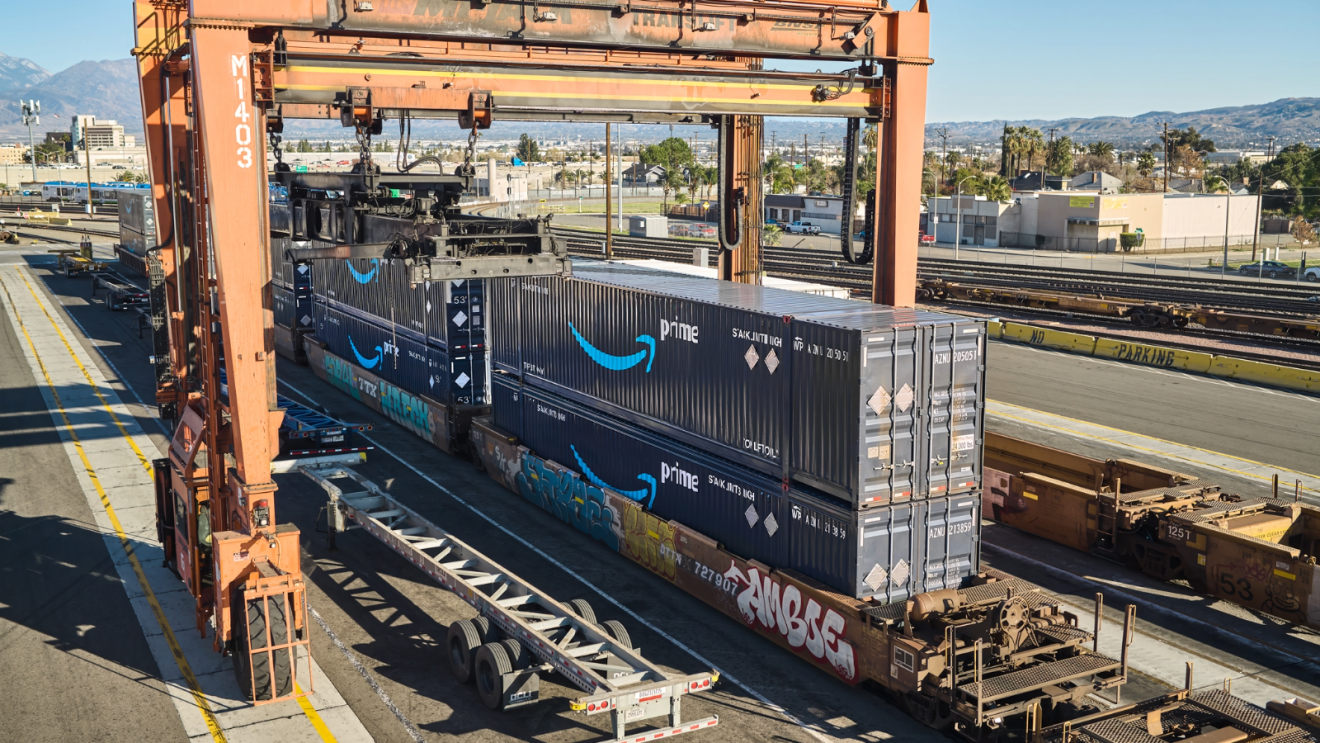
Specifically, to haul loads for us, carriers and/or their drivers must:
- Undergo enhanced driver verification , including driver's license validation and real-time photo verification, to confirm that only authorized drivers access facilities and transport cargo
- Possess an active U.S. Department of Transportation (DOT) number with interstate authority, active for at least 180 days
- Maintain FMCSA safety ratings of “Satisfactory” or “None”
- Meet our performance standards across VRM and BASIC
- Carry commercial general liability insurance of at least $1 million per occurrence
How does Amazon technology protect freight in transit?

Once a load is on the road, we use real-time tracking, smart trailer technologies, and physical locking and securement mechanisms to maintain chain of custody from pickup to delivery.
Telematics signals (GPS and trailer sensor data) are transmitted in real-time to Amazon to follow each load's progress, providing continuous visibility into the location of the freight. Our trailers use camera and sensor technologies (including tamper detection) combined with physical security devices that automatically alert the security operations team if trailer doors are opened during transit, a trailer deviates from its expected route, or a trailer makes an unplanned stop.
At our facilities, real-time arrival and departure signals and virtual geofences (digital boundaries that validate chain of custody and confirm a trailer is in the right location) validate that pickups and drop-offs happen as expected, keeping bad actors out while helping legitimate carriers operate efficiently.
How does Amazon stop double brokering?
One of the most common forms of freight fraud is double brokering—when a carrier secretly hands off a load to an unauthorized third party without the shipper's knowledge. This puts cargo at risk and can expose shippers to unvetted operators.
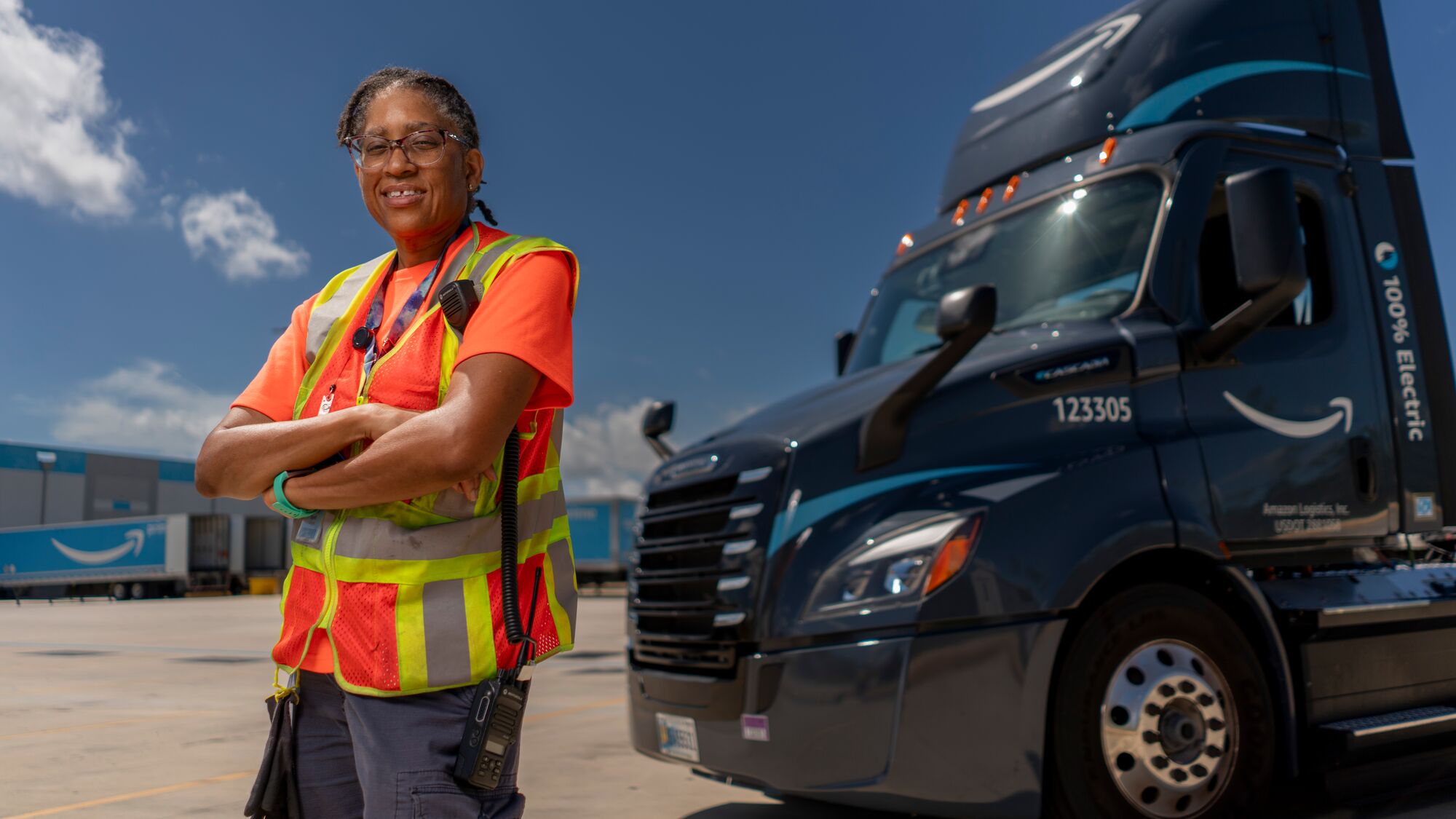
Carriers book loads through the Relay portal and only verified Relay carriers are permitted to haul them. We have dual measures including AI-driven anomaly detection combined with a team of professionals continuously monitoring our network for unauthorized double brokering, so the freight stays on its planned route. We also assign all loads on our secure portal, so carriers always know a legitimate Amazon load comes from Relay.
How does Amazon work with law enforcement to stop organized retail crime?
Our security teams include former FBI, CIA, and other top law enforcement professionals who collaborate with freight and retail industry leaders worldwide to identify and dismantle criminal networks that target supply chains. We also participate in 14 state-run ORC task forces where we work regularly with industry and law enforcement.
A dedicated investigations team works around the clock to detect suspicious patterns in network activity, and our collaboration with domestic and international law enforcement helps the company act quickly when fraud is suspected.
Those efforts have produced real consequences for criminals.
In one recent case, federal authorities indicted an individual on 13 counts of wire fraud for stealing carrier identities and submitting fraudulent invoices—a scheme uncovered by one of our investigations. Each count carries a maximum sentence of 20 years in prison. In another case, our investigative work helped law enforcement dismantle an organized crime syndicate, leading to 13 arrests for federal crimes including the theft of $83 million.
Amazon stands committed and ready to work with stakeholders who share our commitment to address ORC for the benefit of the entire retail industry. Law enforcement and retailers who need investigative support or want to report potential stolen goods or suspicious freight activity can contact Amazon's teams directly:
- For general investigative and prevention support, email: organized-retail-crime@amazon.com
- For carriers and drivers to report suspicious activity at any time, email: relay-network-reports@amazon.com
How does Amazon support legitimate carriers?
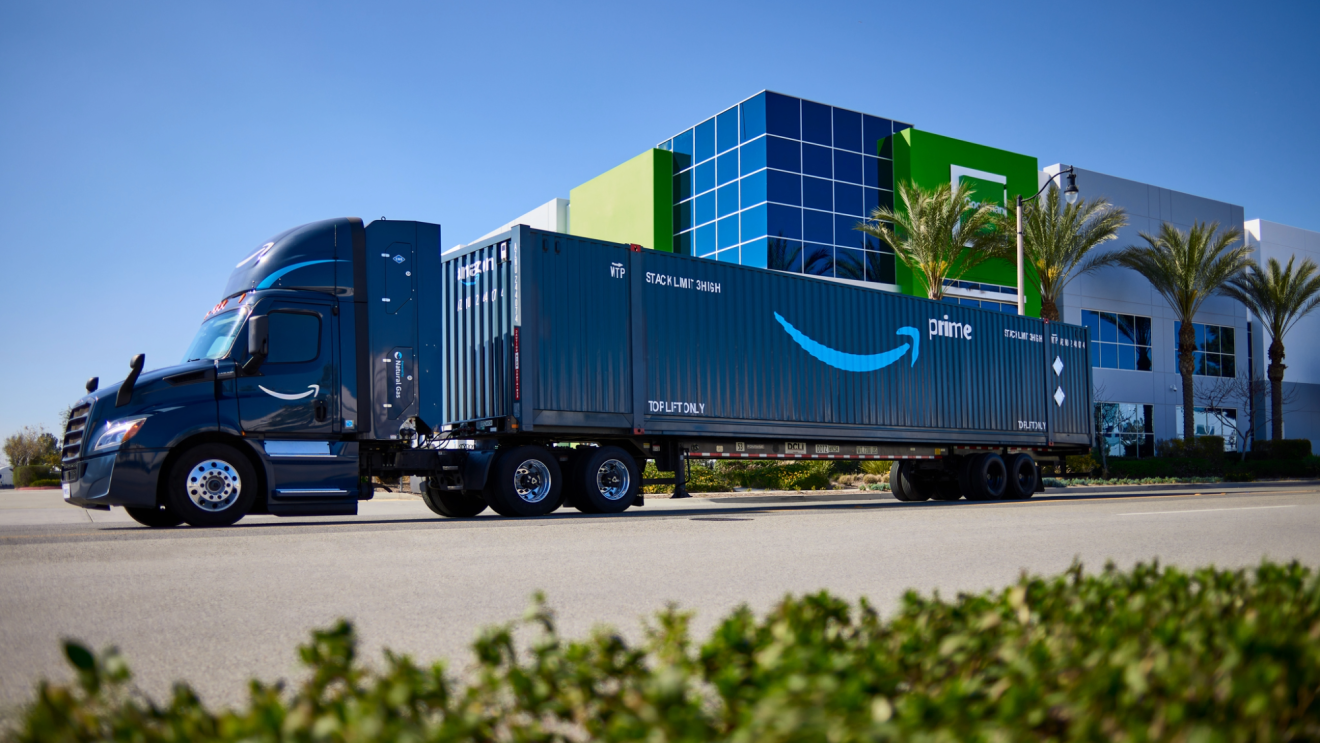
Protecting our network also means empowering the legitimate transportation businesses that are our backbone.
Because only verified carriers can haul Amazon loads, businesses are protected from unauthorized operators. Carriers who maintain strong safety and compliance records are rewarded with access to more work opportunities—a system designed to incentivize good performance and help small businesses scale.
Amazon is proud to partner with legitimate small businesses like Ponce Ground Services and Eben Ezer Express, who each started with just one or two trucks and have grown to fleets of dozens or even hundreds using Relay's structure, technology, and consistent load availability to grow their businesses over time.
Through Relay, carriers and drivers access free online courses on security best practices developed in line with TAPA—the industry's leading standard-setter for supply chain security. Guidance on spotting fraudulent emails and regular newsletter updates about emerging threats are also available for carriers and drivers.
Next, learn more about Amazon’s $4 billion investment in rural America to expand our delivery network, offer even faster delivery, and create more than 100,000 new jobs.
Trending news and stories
- The race our nation can’t afford to lose, plus a new commitment from us and a fresh set of community investments
- Amazon's Holiday Kids Gift Book is back with 600+ toys, games, and gifts for every age
- Introducing all-new Amazon Alexa Tablets—powerful tablets with Alexa+ built in
- Amazon introduces a completely redesigned Kindle family