
Key takeaways
- Amazon starts hiring and training operations employees months before big shopping events like Prime Day.
- Every operations employee completes safety training on Day 1, including ergonomic techniques and emergency preparedness drills.
- Managers prepare a detailed playbook covering every part of the operation from staffing to parking to food.
This article was originally published on July 16, 2024. It was updated on June 23, 2026 to reflect the most current information about Prime Day and Amazon operations.
Jae Garcia, a senior operations manager at Amazon, knows firsthand what it takes to prepare for shopping events since he’s been with the company for a decade, and manages one of the largest delivery stations on the West Coast.
 Jae Garcia, a senior operations manager at Amazon.
Garcia spoke with Amazon News about what it’s like behind the scenes in the lead-up to these big shopping events—and how he and his team plan and ensure things run safely and smoothly.
Prep happens year-round
Preparing for a big shopping event is many months in the making, with regular planning meetings and training series to ensure Amazon’s fulfillment centers and delivery stations are properly staffed and trained to safely work through one of the busiest weeks of the year. Hiring new team members is a priority in the planning process for events like Prime Day that start months in advance.
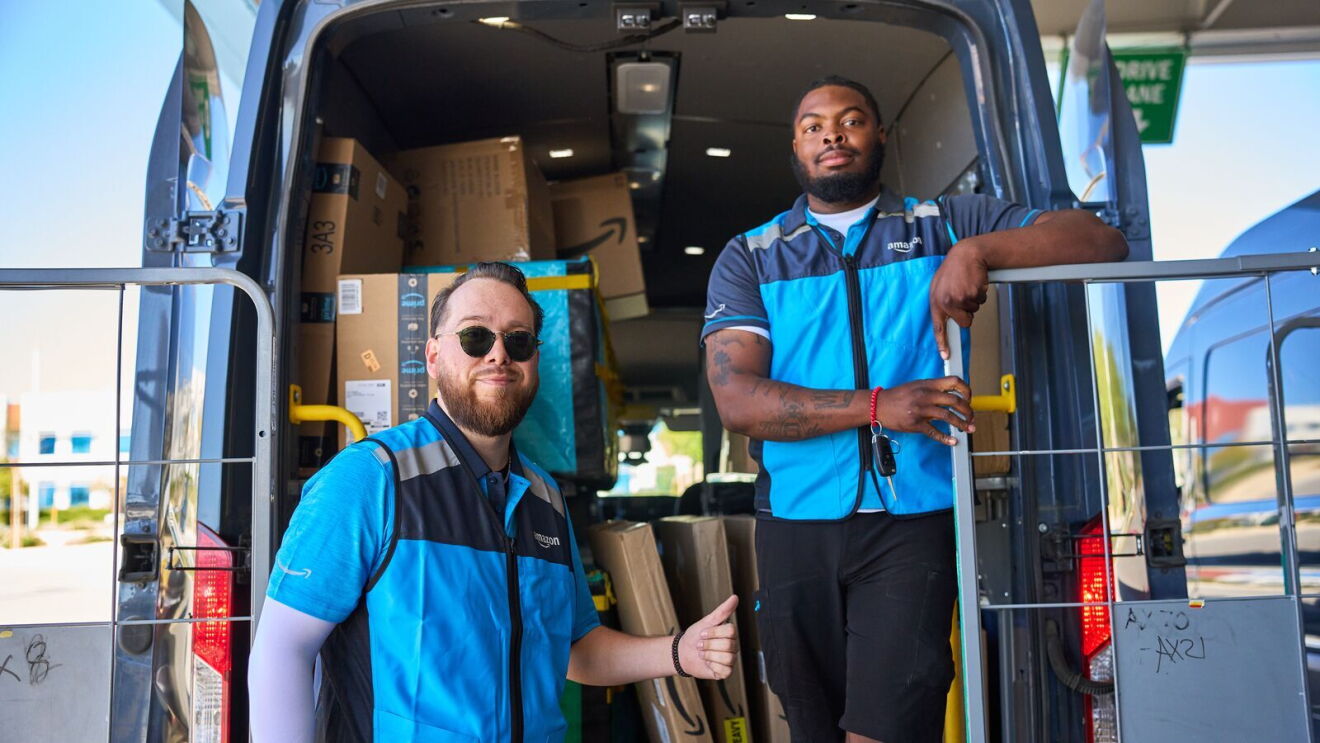
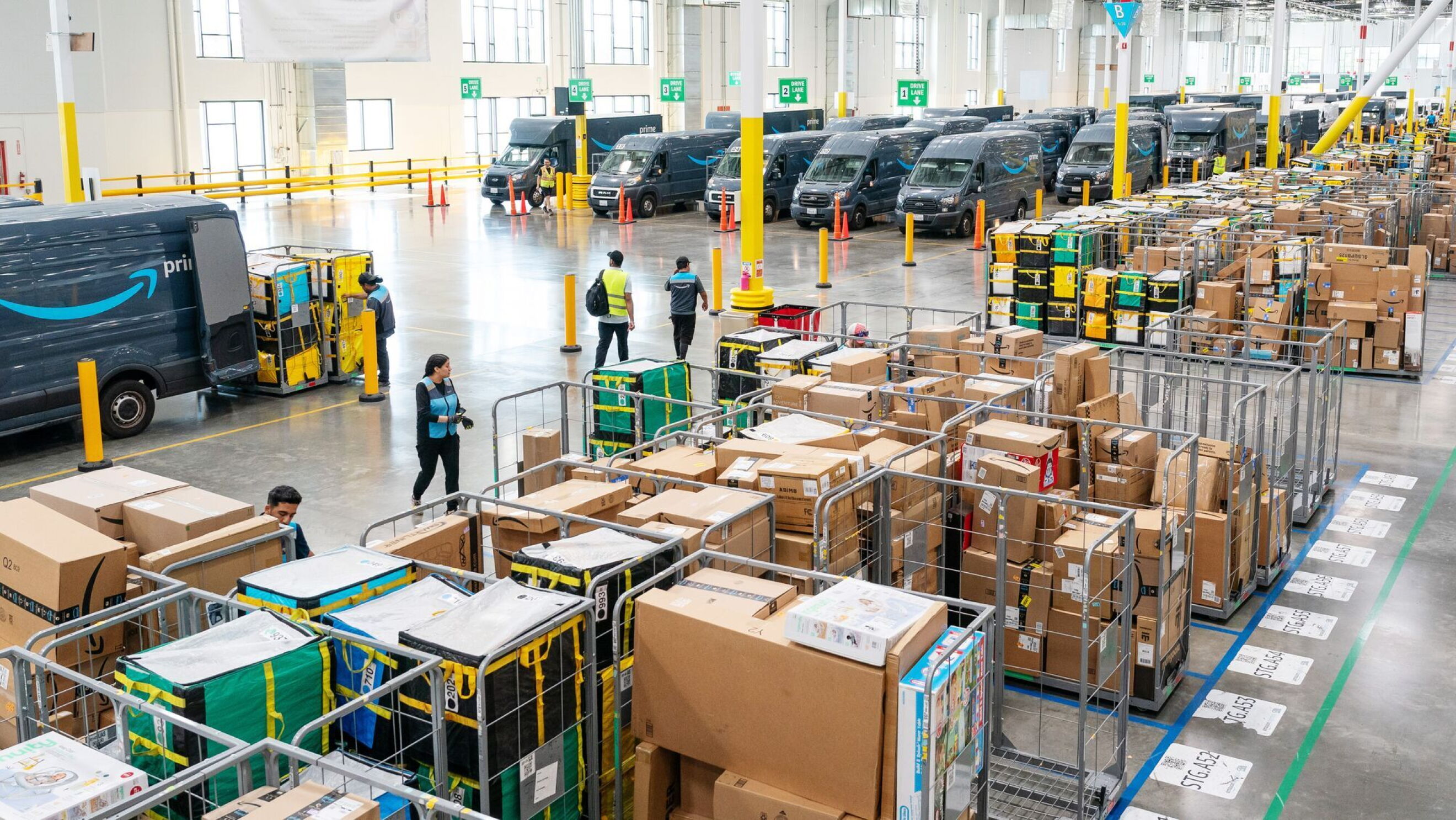
But before getting into the planning, you might be wondering how a fulfillment center and delivery station are different. Fulfillment centers are where Amazon employees pick, pack, and ship customer orders; delivery stations are the last stop before a package is delivered to a customer's door—where packages are sorted and loaded onto delivery vehicles for final delivery.
As Garcia says, the delivery station is “the last stop” before orders go to customers.
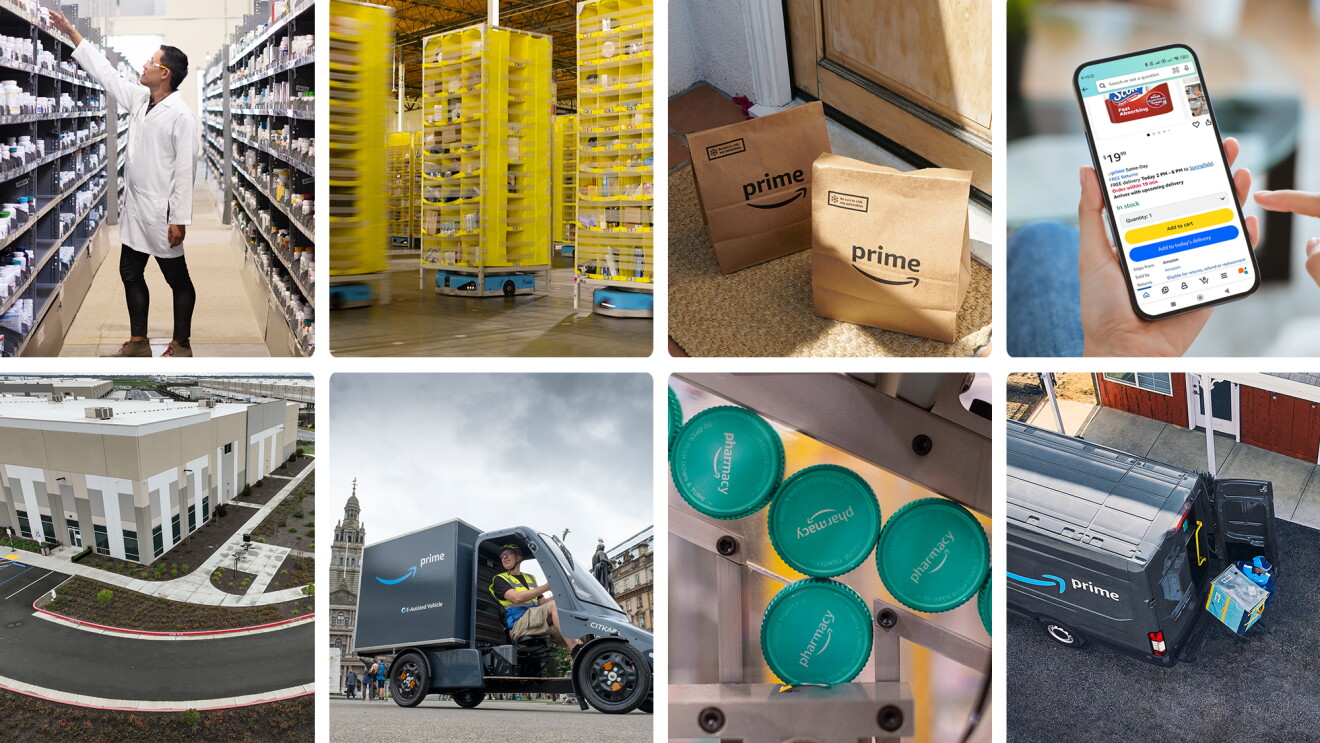
And since last year’s Prime Day, we've kept finding new ways to get packages to customers — and sometimes that means going smaller. Electric vans are now on the road worldwide, but in dense cities where parking is scarce and streets are tight, vans aren't always the answer. That's where e-cargo bikes, e-cargo mopeds, and even on-foot deliveries come in. In New York, Delivery Service Partners (DSPs) and their teams use pushcarts to bring packages to lobbies and stoops every day. In Brooklyn, e-cargo bikes handle the job. Each mode is picked for the route it serves—because what works on a wide suburban street doesn't necessarily work on a narrow lane in a big city.
Busy, exciting times to work at Amazon
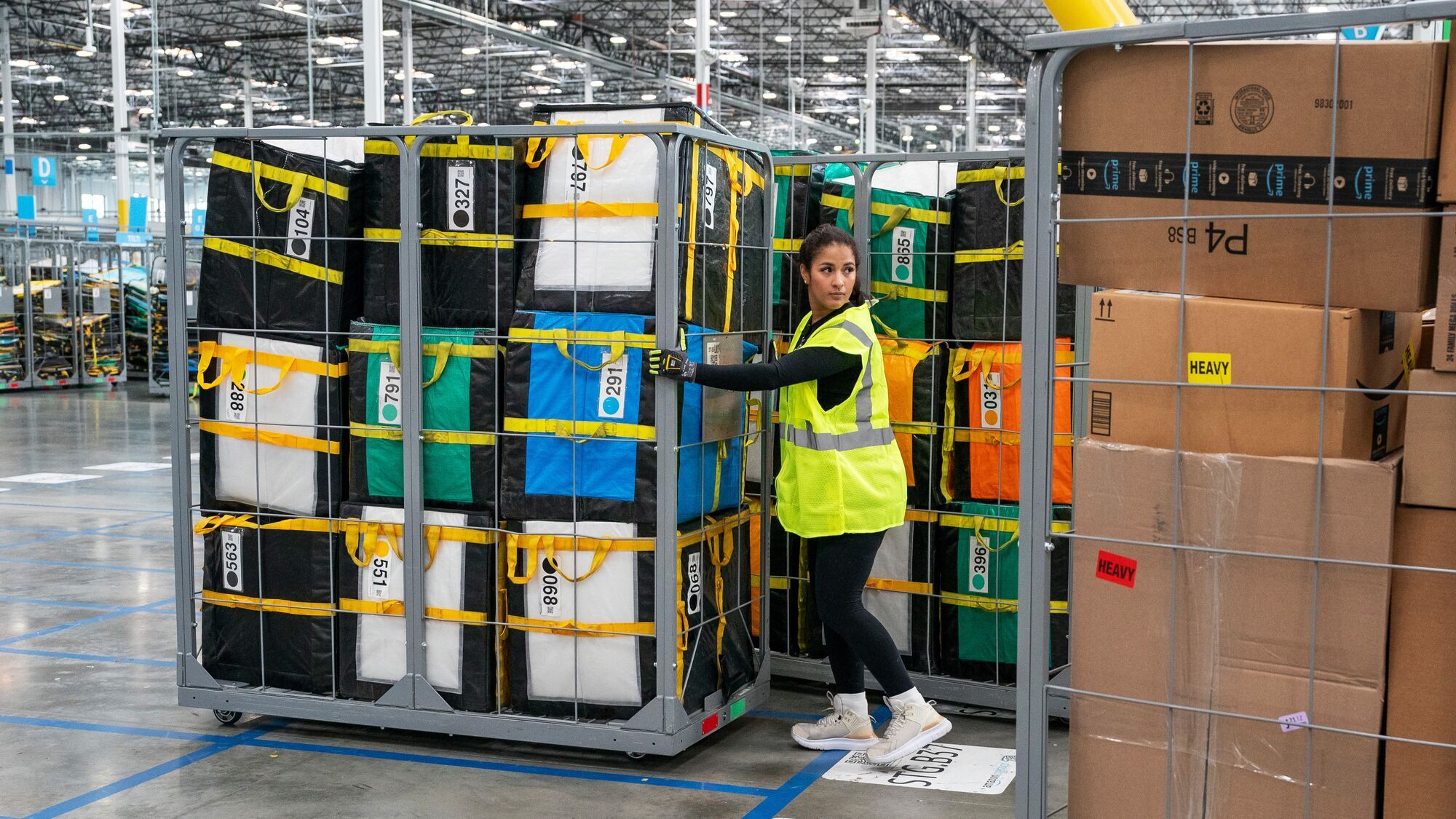
During the weeks leading up to big shopping events like Prime Day, Amazon’s fulfillment centers and delivery stations are brimming with energy and excitement.
“Prime Day brings a special kind of energy to our sites, and that energy always starts with our employees, they're the reason millions of members can count on us to deliver” said Sandy Gordon, vice president of Global Operations Employee Experience and Relations. “Earning their trust is year-round work. It means building an environment where leaders model the behaviors we expect, technology helps make work safer and more ergonomic, and teams show up for each other every day to deliver for our customers.”
Hiring and training are top priorities
Hiring new team members is a priority in the planning process, and Garcia and his team start the process a few months out by looking at the forecasted volume of orders so they’re well informed to hire for big shopping events.
We're investing more than $4 billion to expand our delivery network into small towns across the country—bringing faster delivery to millions of customers in less densely populated areas and creating more than 100,000 new jobs and driving opportunities along the way. And during peak shopping events like Prime Day, these stations scale up to handle the surge so customers in rural America get the same fast, reliable delivery as everyone else.

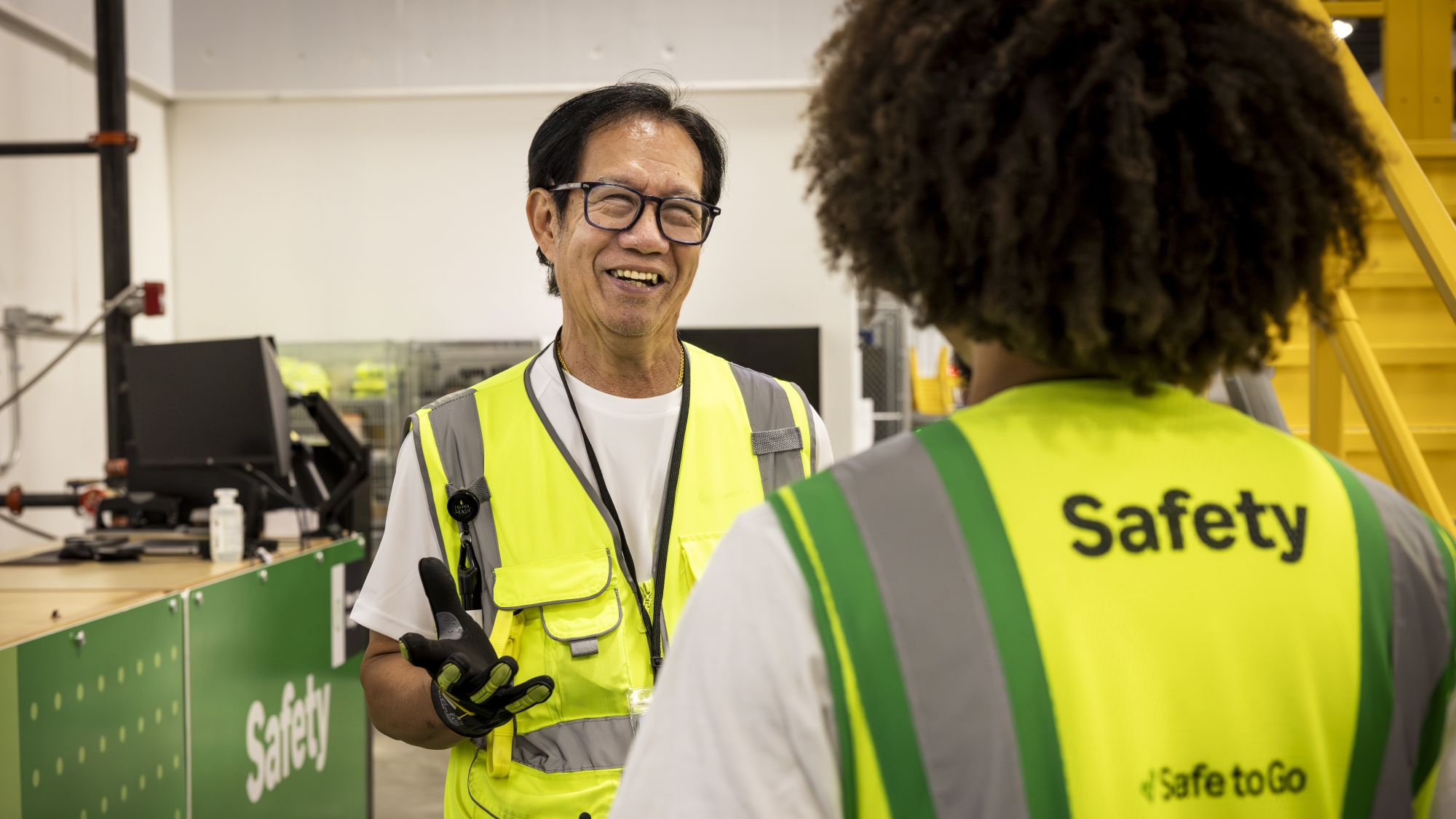
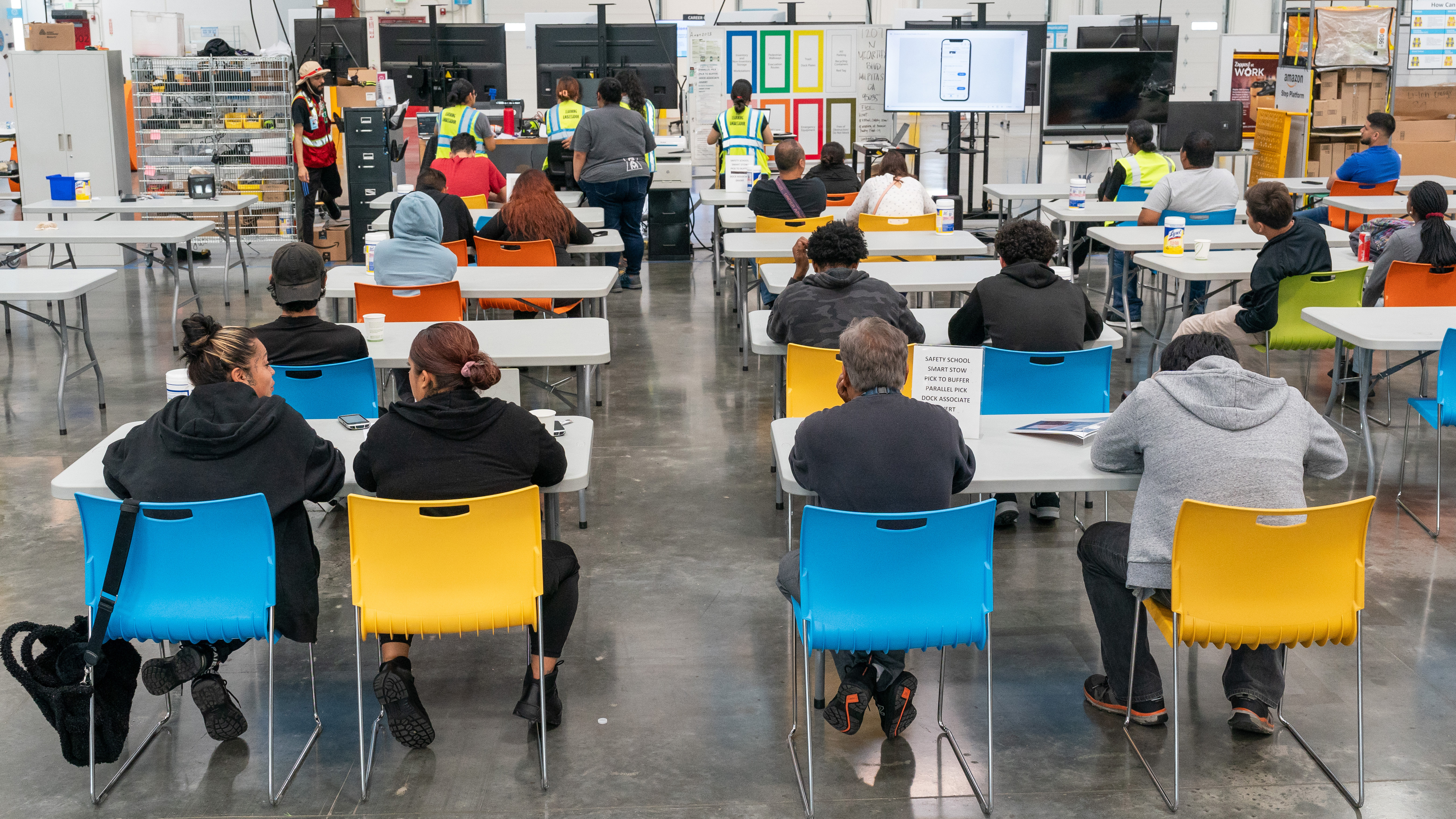
Getting the right people in the right places across our operations network is important, but ensuring that everyone is trained on how to safely perform their new roles is essential. As part of their onboarding process, every operations employee must complete thorough safety trainings as they onboard.
They learn things like how to pick and stow products in ergonomically friendly power zones to reduce the risk of injury, what the different color tape is on the floor so they know safe places to walk through the site, and how to push and pull carts safely around the building. By giving them this foundation on Day 1, we’re helping new employees feel confident and prepared.
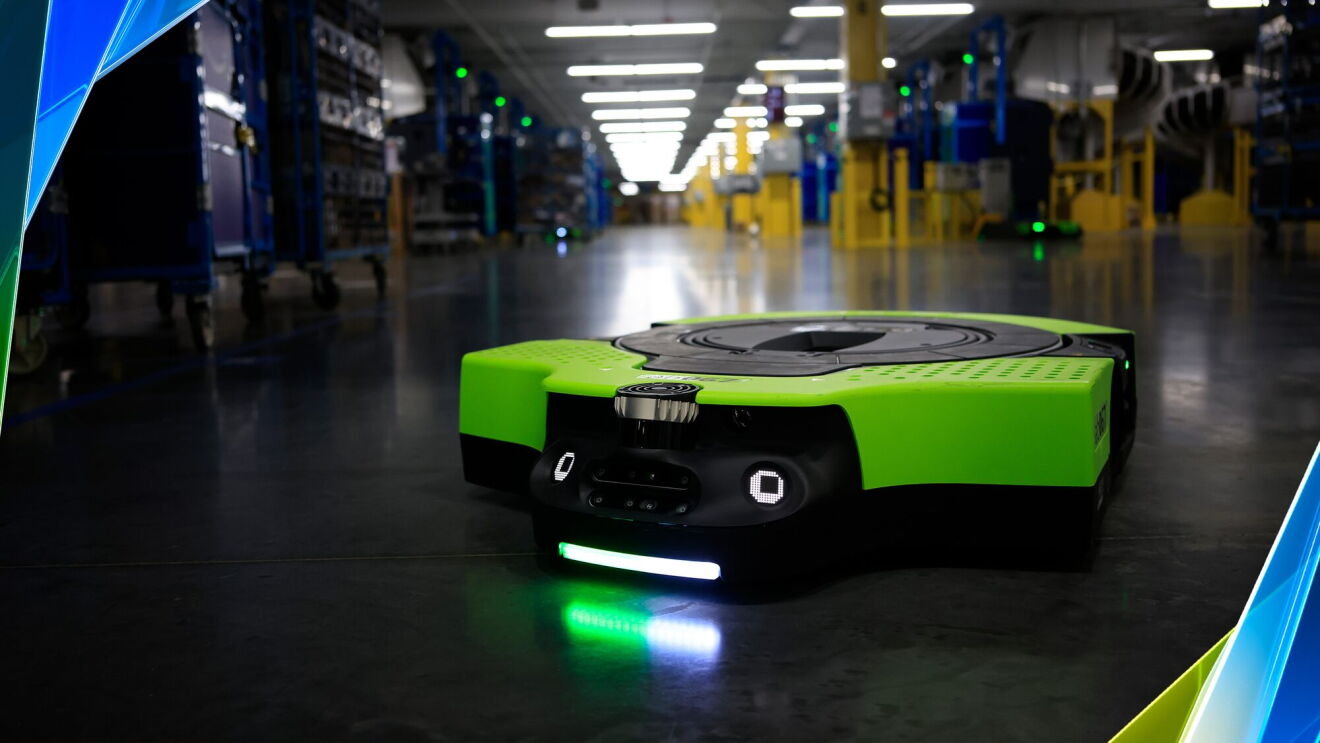
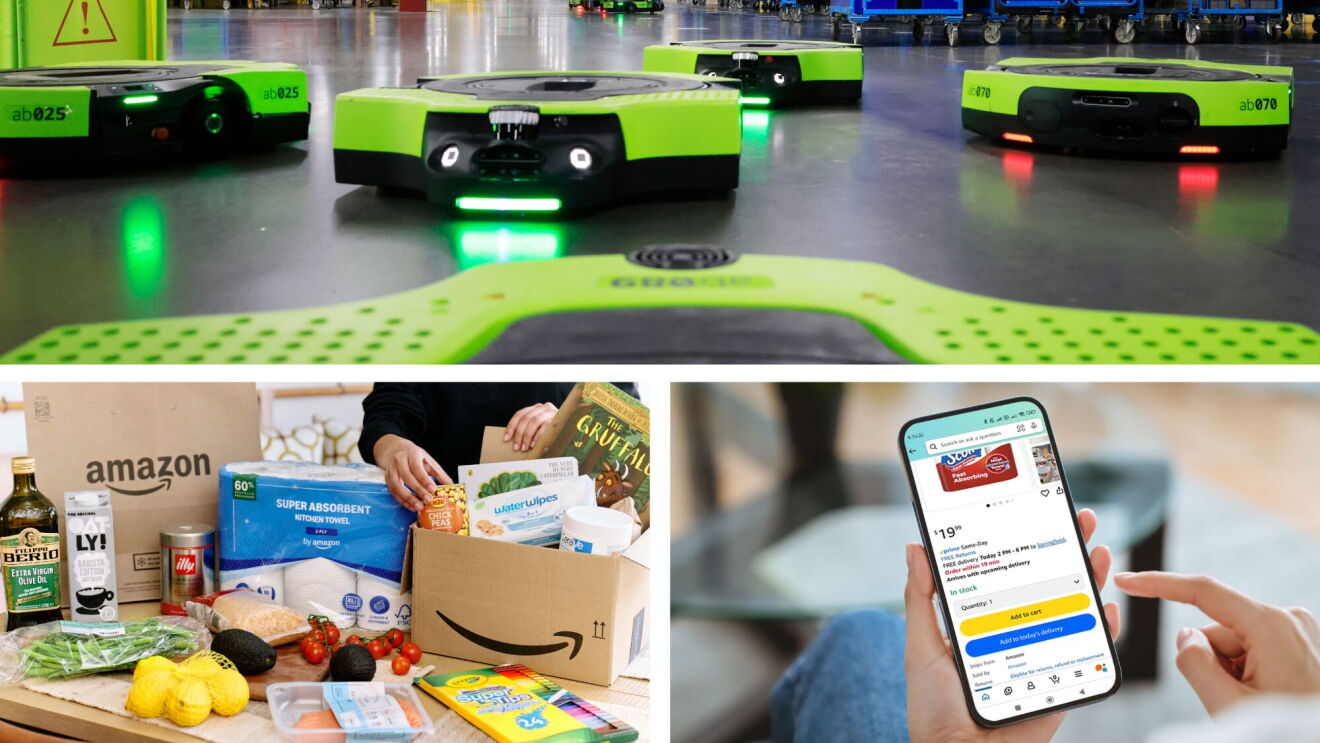
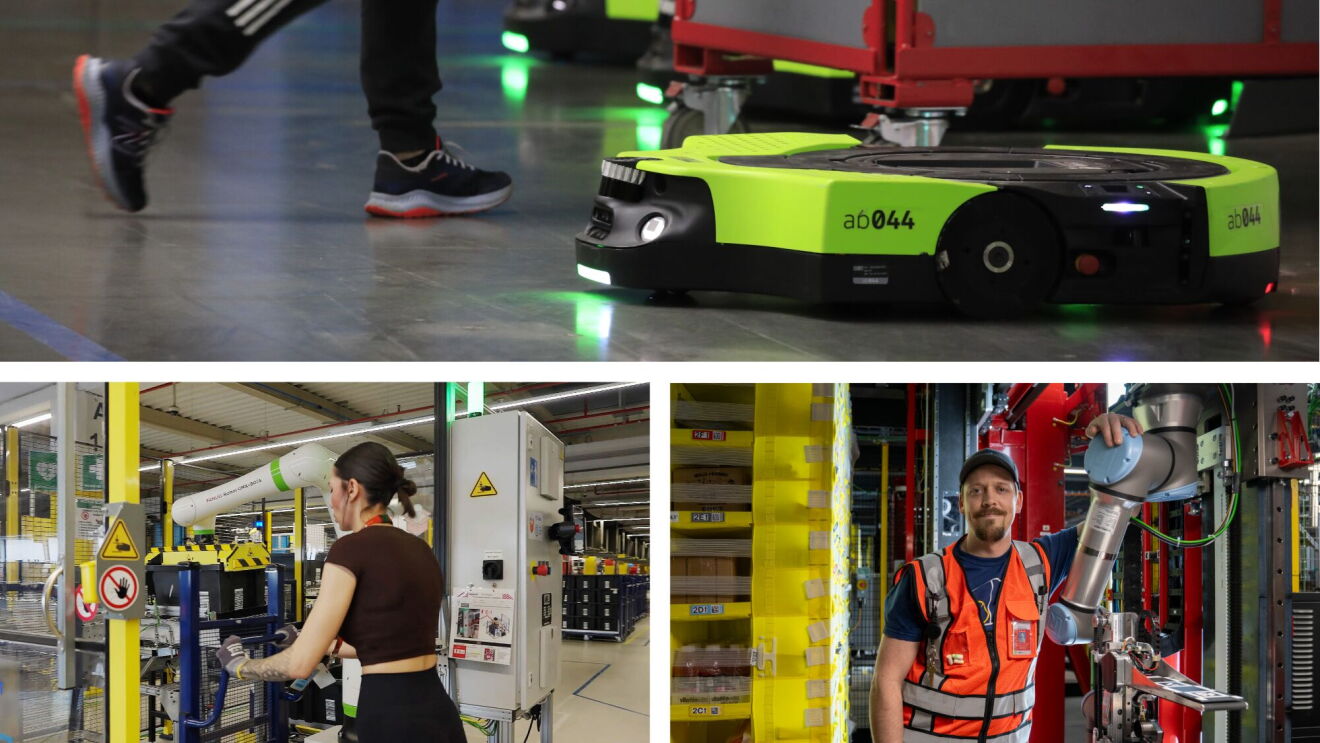
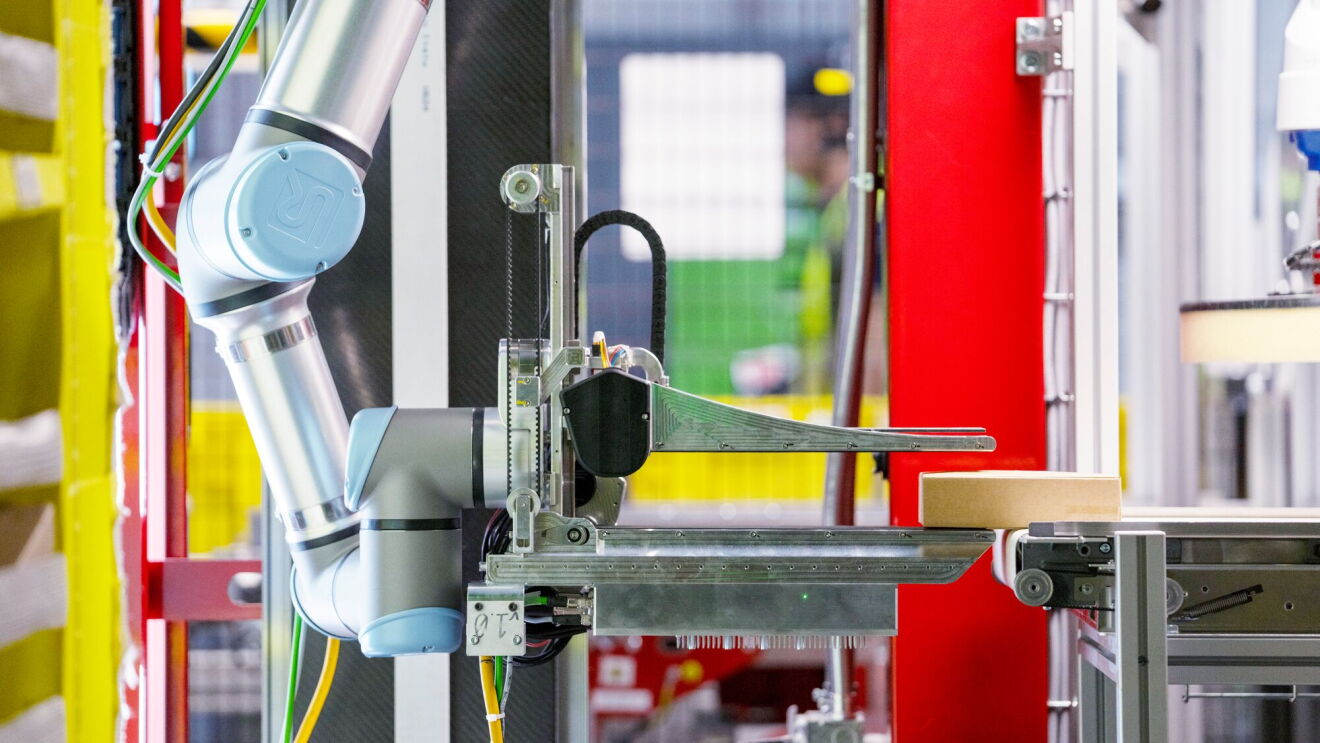
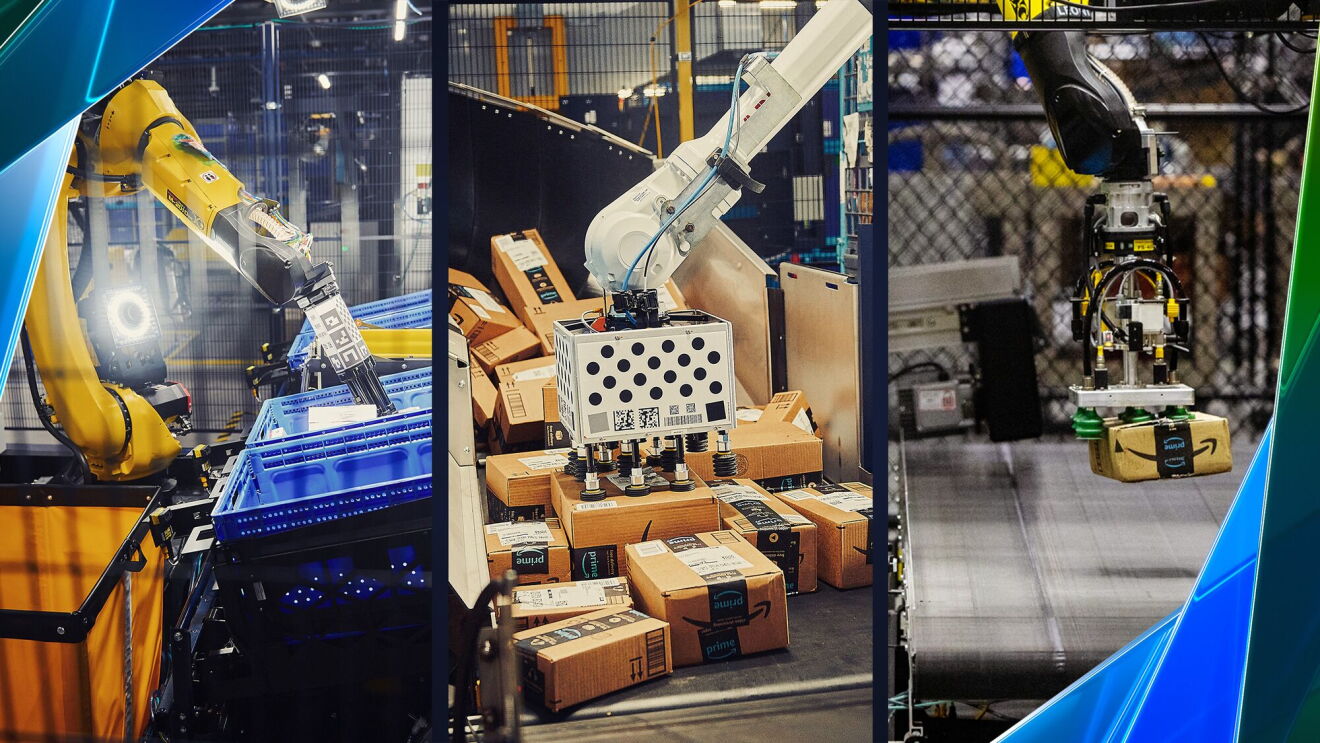
Additionally, Amazon uses many different robotic systems across global operations that support employees by making their work safer, easier, and more productive. This includes robotic arms like Sparrow, an autonomous mobile like Proteus, as well as Amazon’s first robot with a sense of touch, Vulcan.

Amazon also has emergency preparedness plans in place across all of the operations sites that focus on disruption timelines and mandatory procedures for emergencies such as severe weather. Our operations site leaders familiarize their teams with their building plans, nearest exits, designated severe-weather assembly areas, and site rally-point locations outside of the building. In addition, site-wide drills are held at least twice a year to ensure everyone knows exactly what to do in the event of an emergency and where they may need to evacuate or shelter in place.
There’s a detailed plan that runs through everything

Once new hires have been onboarded and there’s a robust team in place, Garcia says it’s important to ensure that everyone is on the same page.
“We prepare a playbook for the team, which is essentially a one-stop shop for all the information an employee might need,” Garcia says. The playbook “describes every single part of our operation from front to back,” he adds, noting that there are even check marks for every item to make sure the whole team is prepared.

And over-communication is key, Garcia says. That’s why, in addition to the playbook, there are refreshers that go over different processes and monthly team trainings. They also run through “what if” scenarios and detail what to do if the team hits any snags, such as faulty equipment or a truck arriving late—that way, Garcia says, delivery station employees know how to handle these situations and can escalate them to the manager on duty.

In the lead-up to big shopping events, Garcia says, managers at delivery stations meet regularly to discuss progress and lessons learned, too. Managers also share expected forecasts for day-to-day volume with their teams, so they can plan roles and responsibilities accordingly.
The facilities also prepare for the increase in employees during this time

Fulfillment centers and delivery stations are busy places, especially during the year’s biggest shopping events. With more employees and partners in the buildings, Garcia says, it’s crucial that there are ample facilities for everyone.

“We even take into account the fact that there needs to be more food available on-site leading up to and [during these shopping events],” Garcia says, adding that everything down to the number of microwaves, parking spaces and tables, is carefully considered ahead of Prime Day.
While these shopping events are exciting for customers, they also are for our employees who make them possible.
Trending news and stories
- Prime Big Deal Days is back October 6-7: Here’s what to expect
- AWS becomes first cloud provider approved for NATO RESTRICTED workloads across all member nations
- Amazon invests $20 million in the Colorado River as part of a coalition to mobilize $100 million for water conservation
- Amazon raises minimum starting pay for full-time core operations employees to $20/hour, with average pay reaching nearly $24/hour