
Key takeaways
- Amazon’s newest Tokyo office spans 46,000 square meters across 11 floors.
- Its design blends Japan's four seasons, gardens, and nature with Amazon's "Day One" culture.
- The move marks 26 years of Amazon in Japan and a long-term commitment to its more than 15,000 employees across the country.
In November 2026, Amazon officially opened the doors to its new office in Azabudai in Tokyo—occupying floors 34 through 44 of the Mori JP Tower.
The move marks a milestone moment: the 26th anniversary of Amazon in Japan. More than 15,000 people now work for Amazon across Japan, and the new office reaffirms a long-term commitment to customers, partners, and communities here.

But numbers only tell part of the story. The rest of the story is in the space itself—a place covering 46,000 square meters and designed around Japan's four seasons, its garden traditions, and the natural world.
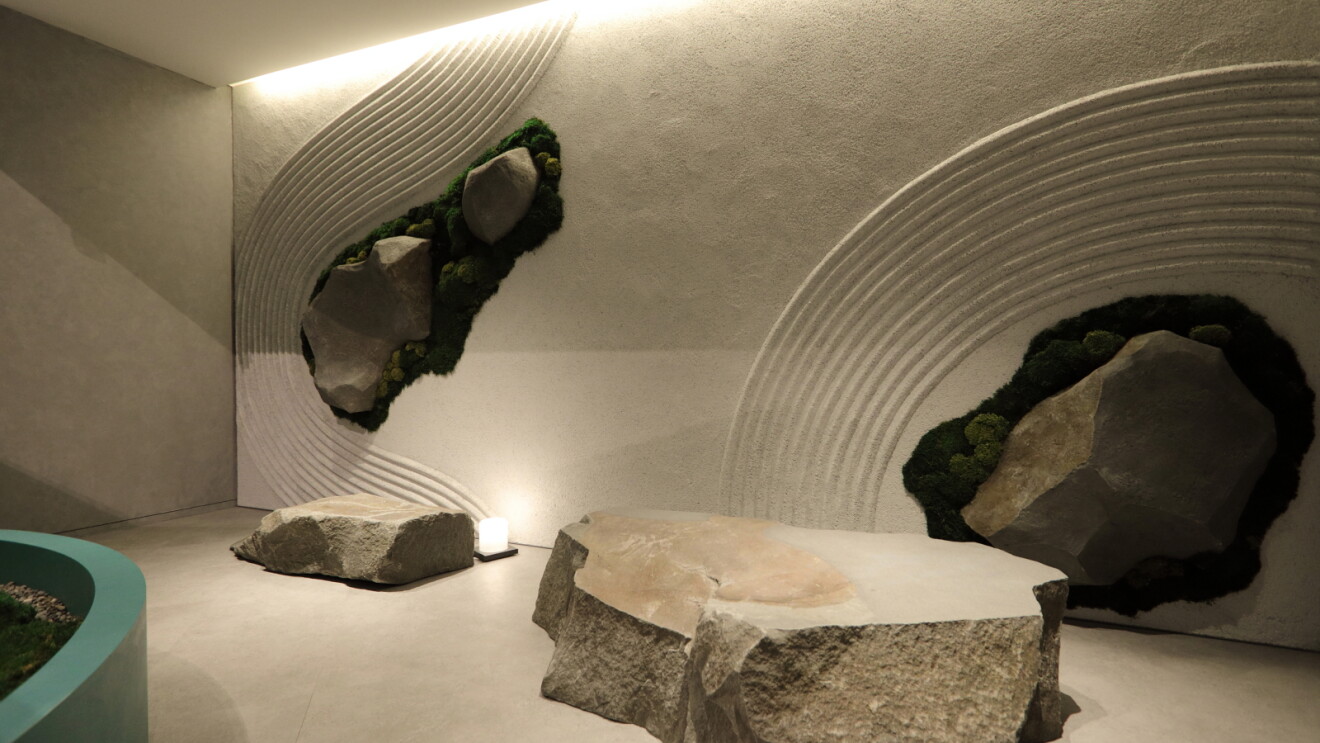
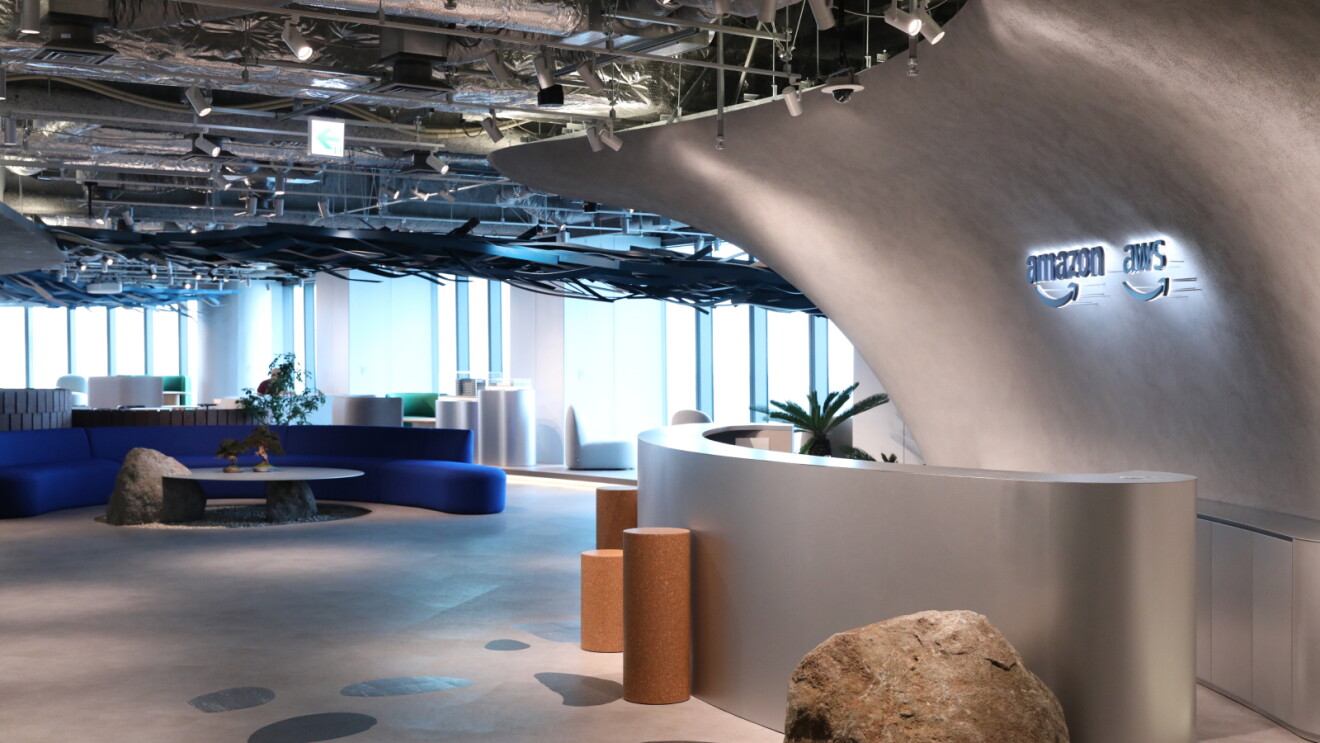
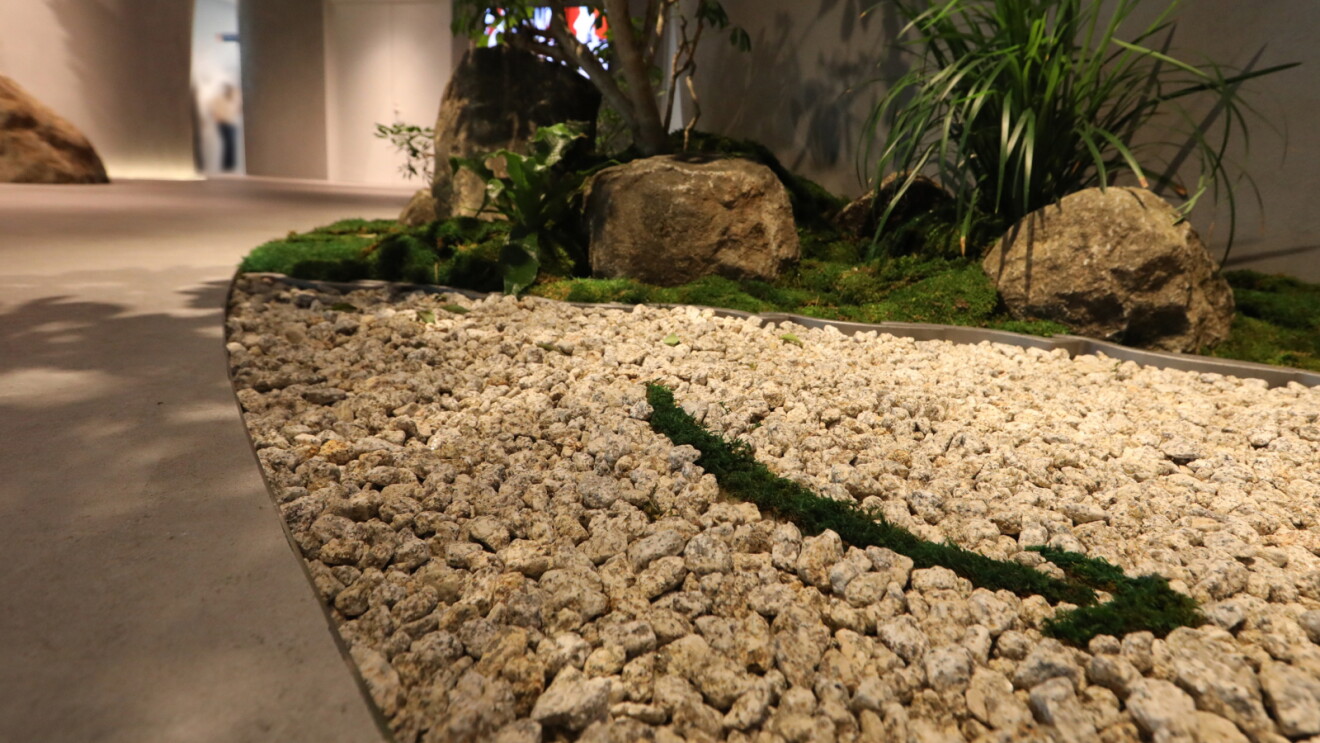
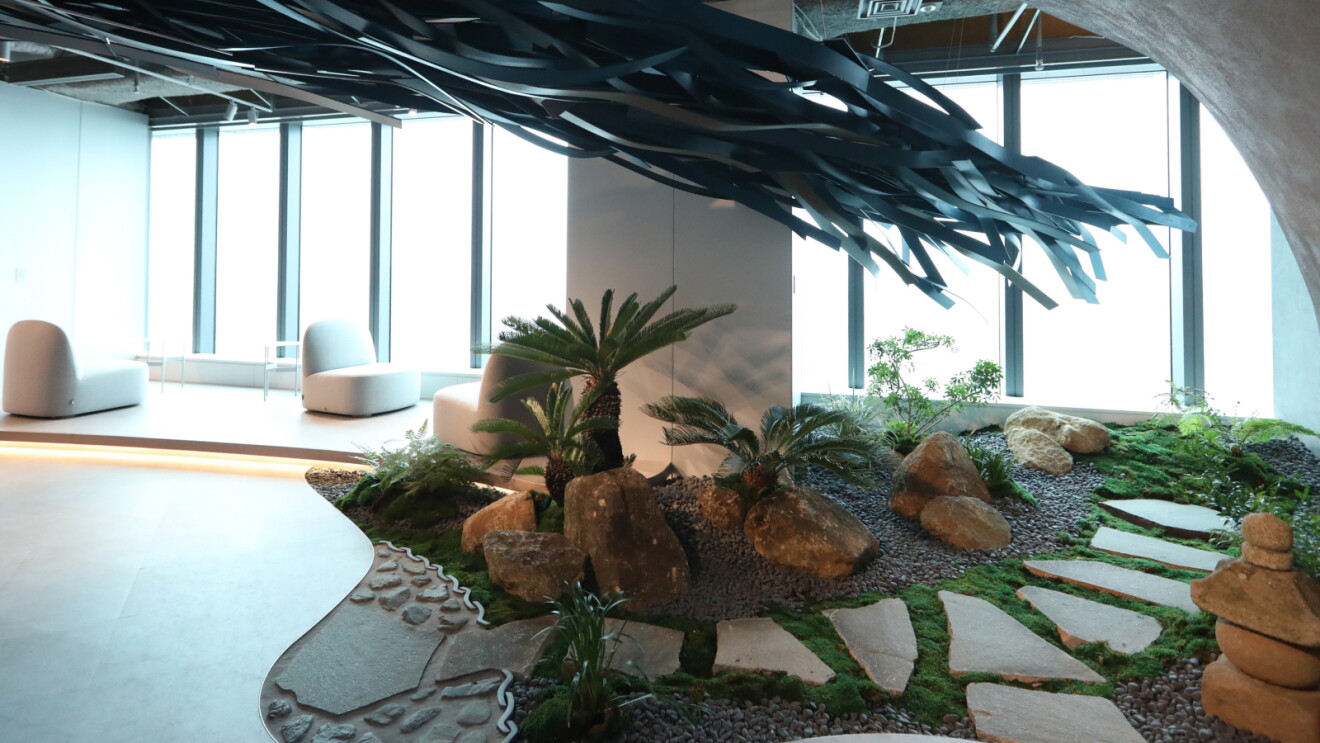
Employees and guests arrive in the Garden of Symbiosis on the 36th floor
01 / 04
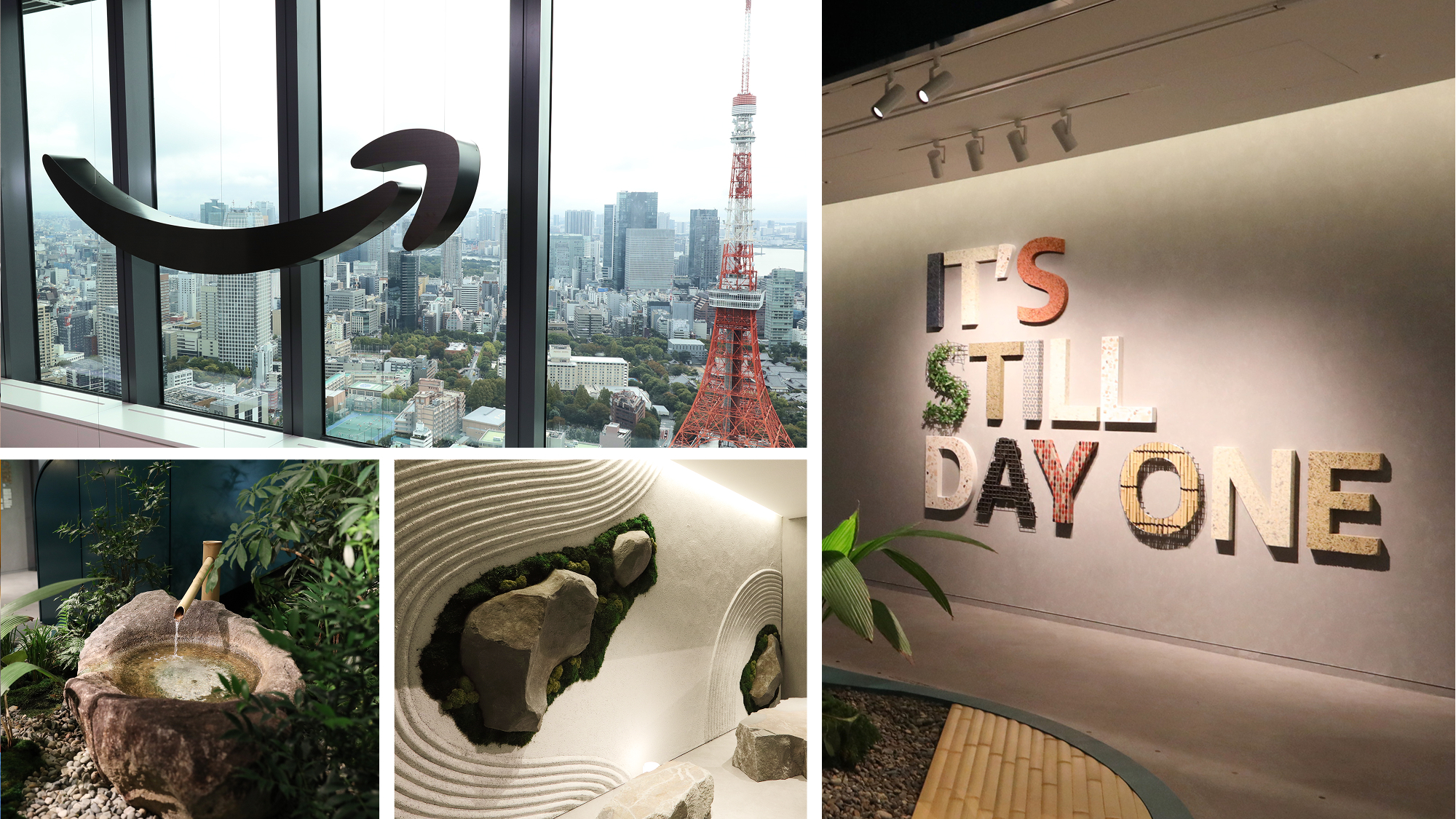
Step off the elevator and enter the Garden of Symbiosis. The design draws directly on Japanese garden traditions—karesansui (dry landscape) and stepping-stone motifs that express mitate (creative reinterpretation) and wabi-sabi (the beauty found in imperfection). The karesansui was created by hand by a local plasterer, layering the material onto the wall and setting the stones one by one.
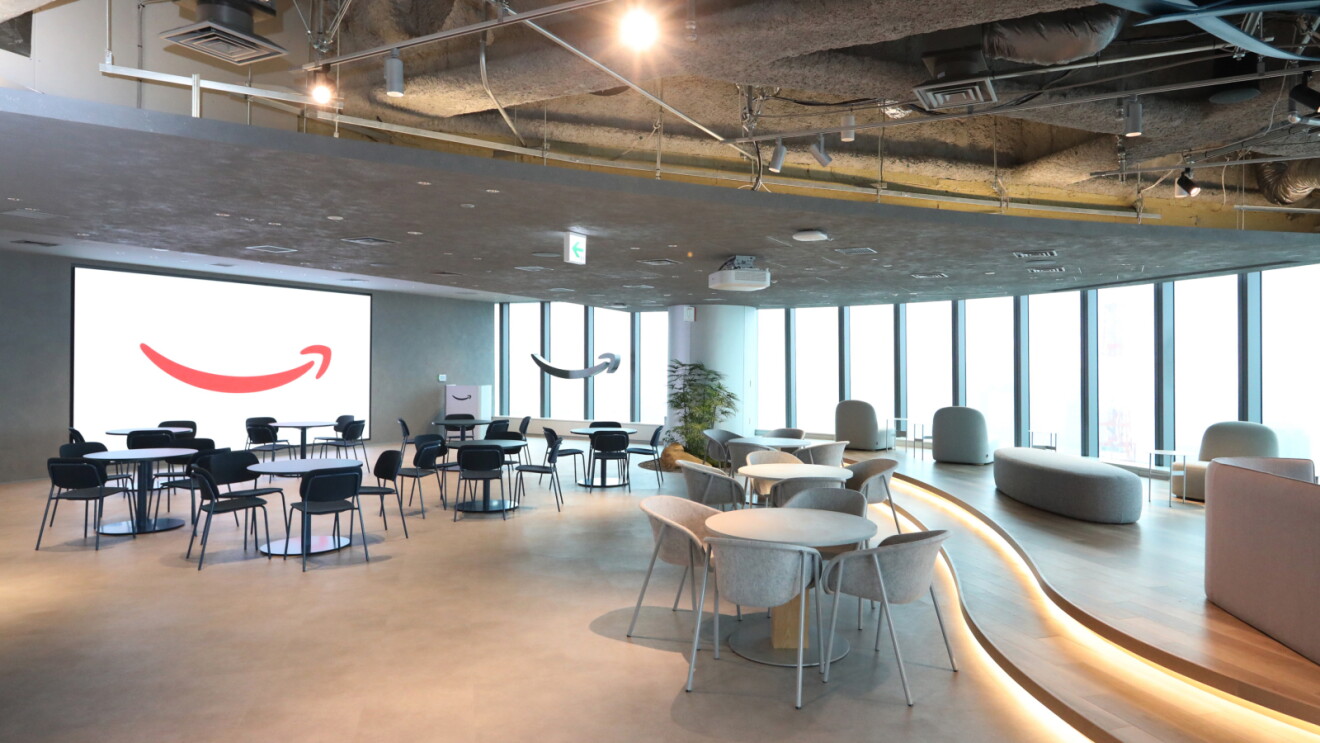
The 36th floor also houses the office's largest gathering areas, including a multipurpose collaboration space that seats up to 110 people theater-style, dedicated training rooms, and the Customer Experience Center for events, town halls, and team gatherings.
Employees can walk through the four seasons
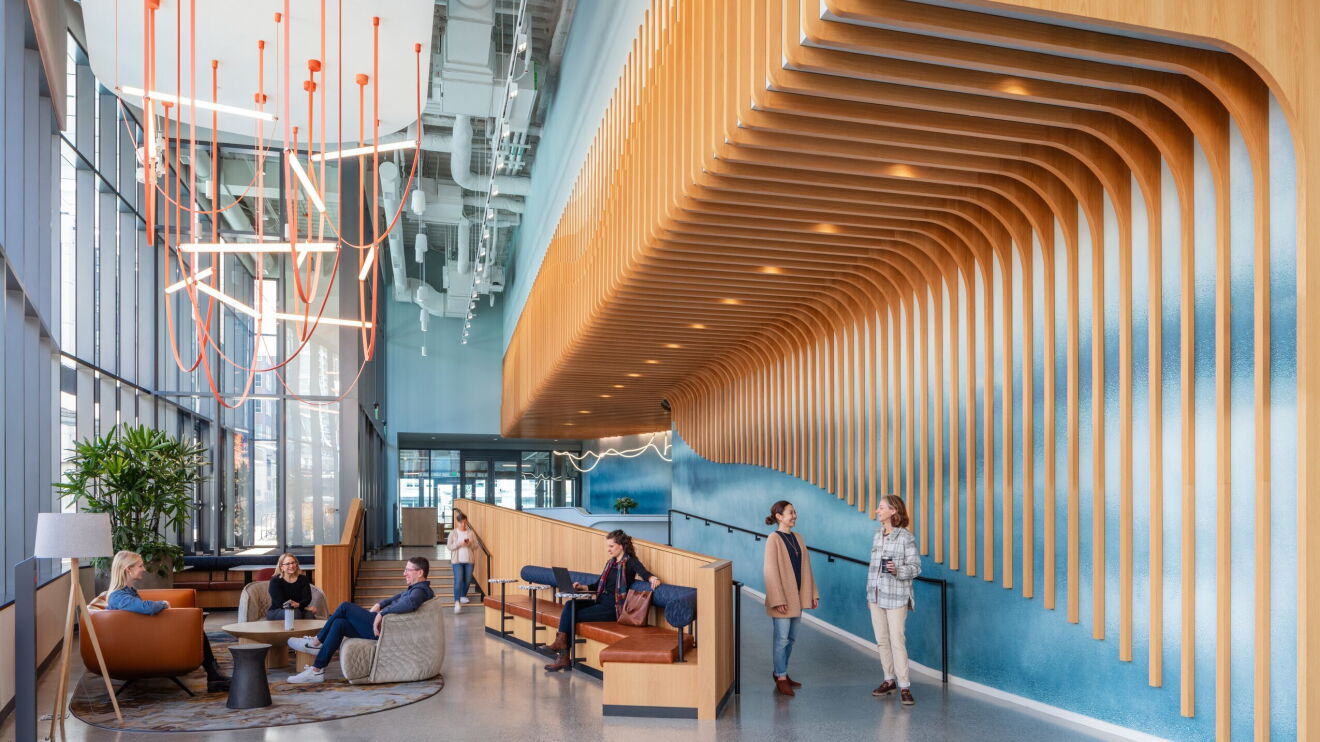
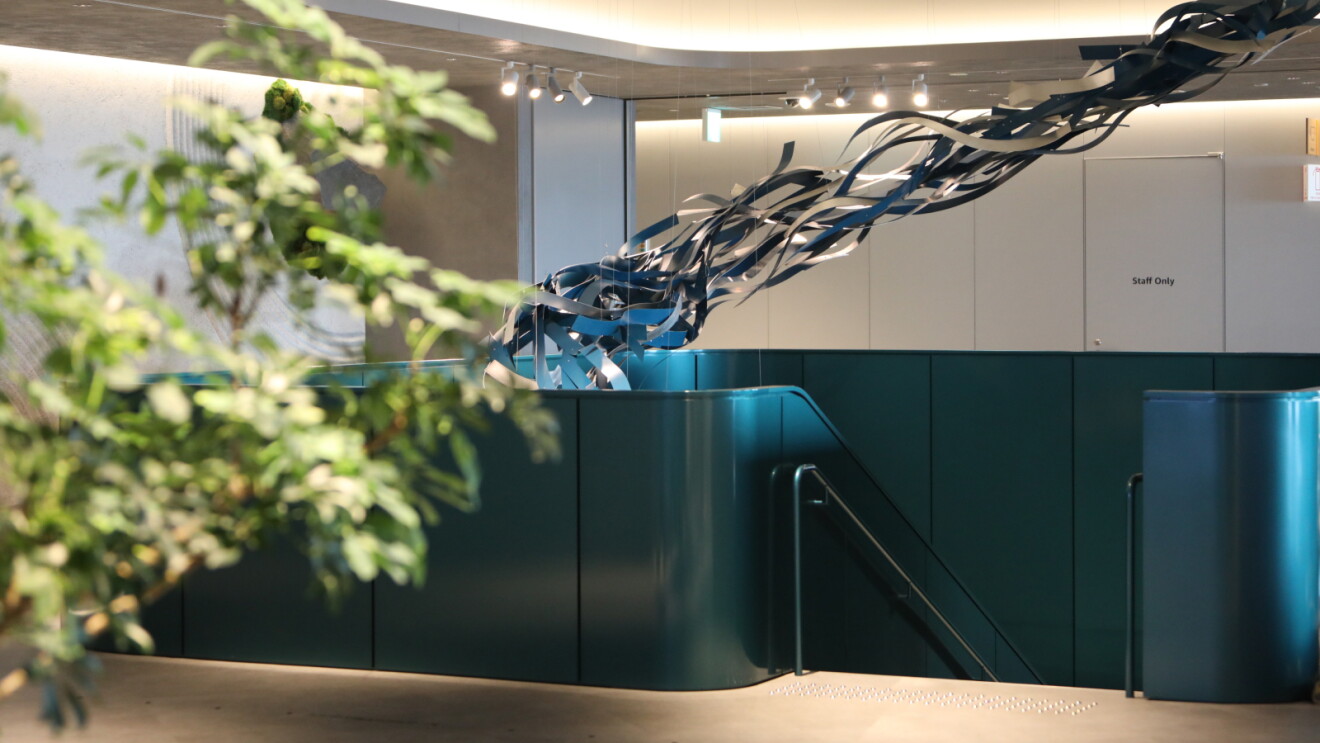
A staircase opens into an atrium that connects the 35th and 36th floors, creating a sense of unity between them.
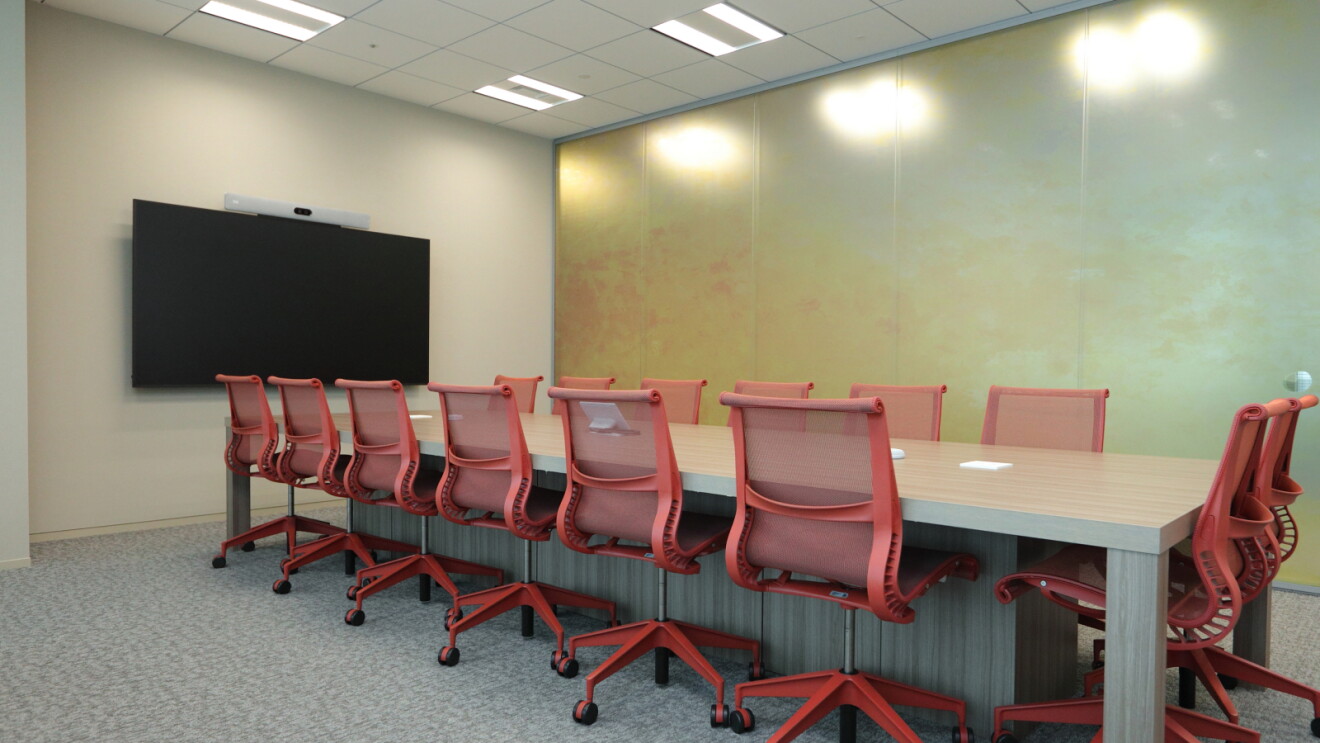
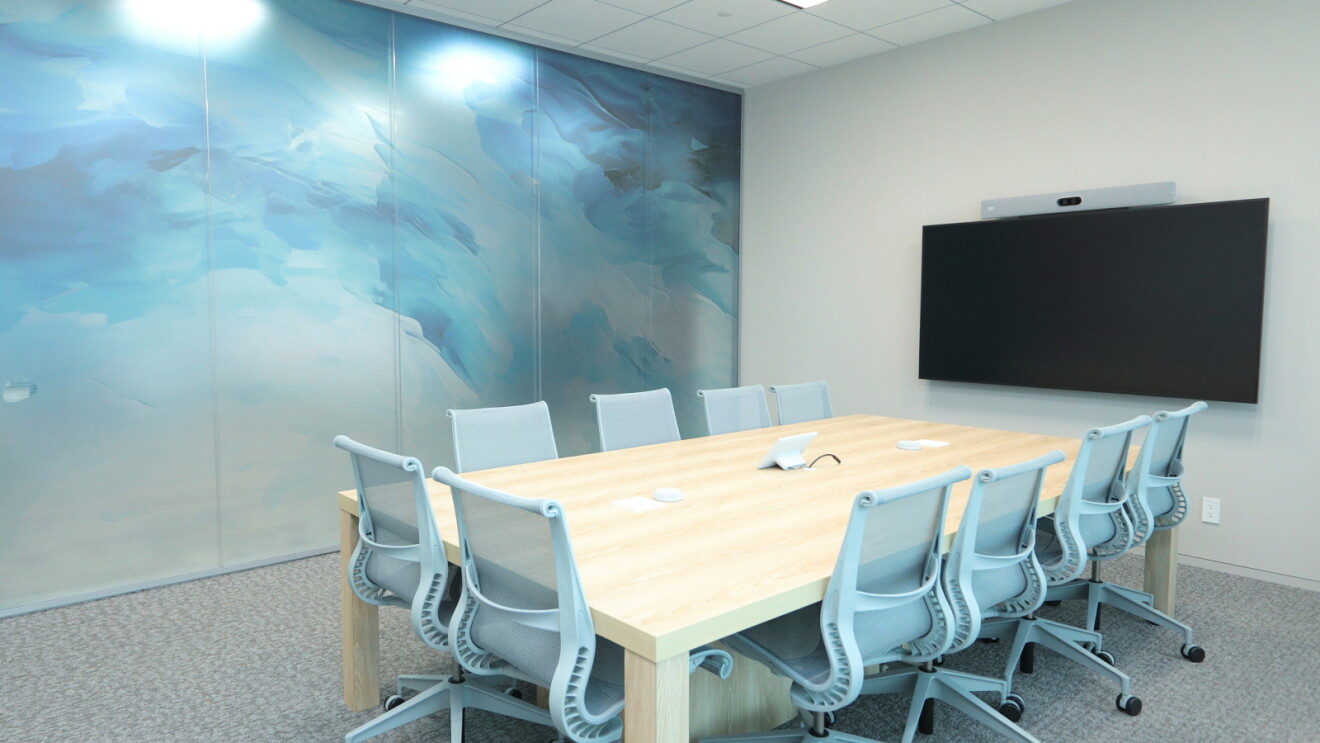
Downstairs, the 35th floor unfolds as a walk through Japan's four seasons. Starting from the south side, where Tokyo Tower fills the windows, the floor is designed so that as you move clockwise, the seasons change around you. Corridors, carpets, wall graphics, furniture, and meeting rooms shift from spring to summer to fall to winter—each with its own colors and materials.

Scattered between the seasons are the spaces that make a workday flow: high tables overlooking Tokyo Tower for quick catch-ups, relaxed pantries, phone booths for private calls, and quiet focus zones.
01 / 03
The 35th floor also features a collaboration artwork with Heralbony, a Japanese company that signs licensing agreements with artists who have intellectual disabilities, bringing their work to the world as art and products. This initiative was led by Amazon's employee group for people with disabilities, People with Disabilities.
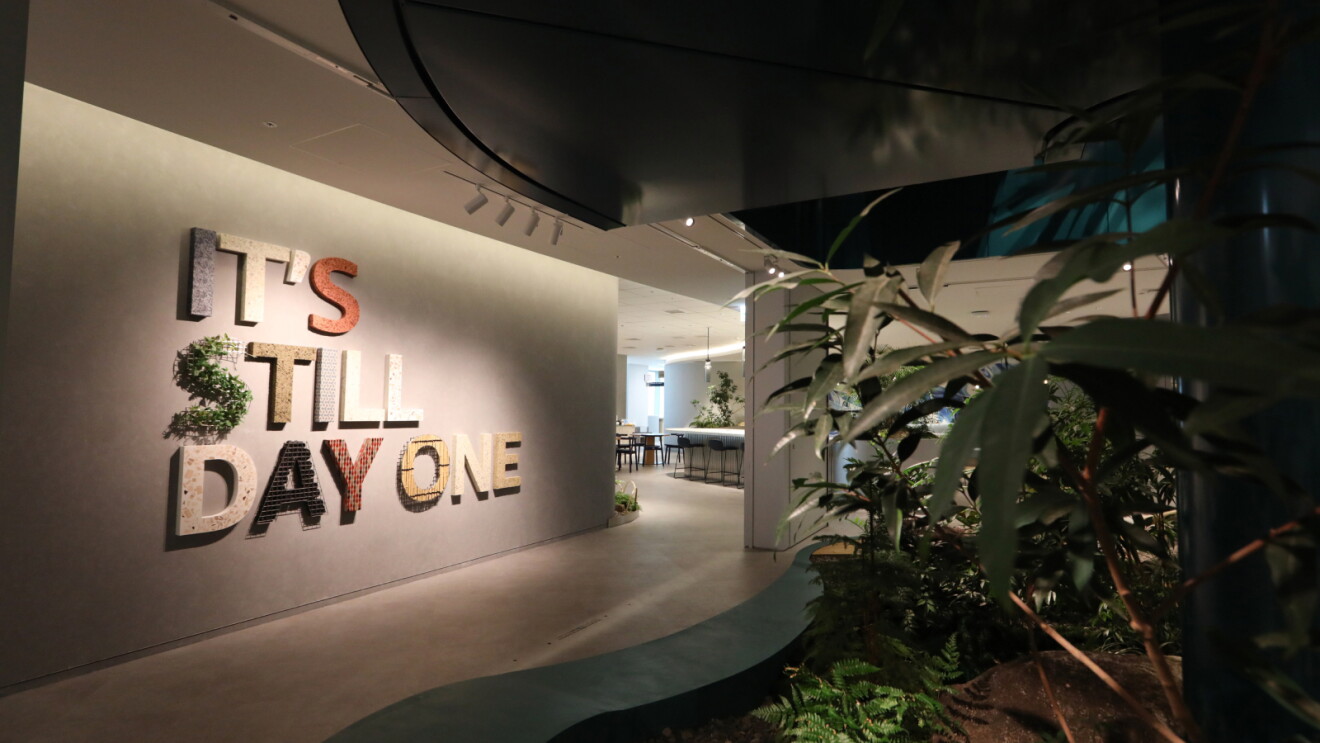
One wall stops you in your tracks: "It's still Day One"
It's one of Amazon's founding philosophies. The idea is simple—as companies grow and get comfortable, they tend to settle. Day One is the opposite: always thinking today is the first day, always experimenting, always inventing on behalf of customers. The wall is a daily reminder to every employee to keep that curiosity and speed alive.
Each floor has a distinct design inspired by one of the elements
Ride up into the office floors and the concept shifts to nature's elements. In nature, water, light, soil, and plants interact to form a living network—and these floors are designed the same way: a living environment where people gather, share ideas, and work together.
Each floor takes a different element—water on the 37th, earth on the 40th, and wind at the very top on the 44th, among others. Each theme runs through the colors, materials, artwork, wall graphics, carpets, and furniture—so the atmosphere changes, floor by floor, as you move through the building.
The tatami space connects indoors and outdoors
Step out of your shoes and into the tatami space—one of the signature spaces of the entire office.
The veranda gently connects indoors and outdoors, while tatami flooring—a traditional Japanese floor covering of soft woven rush straw—sets the tone. The space was created in response to Amazon employees’ own wish for a place to feel closer to Japanese culture and tradition.
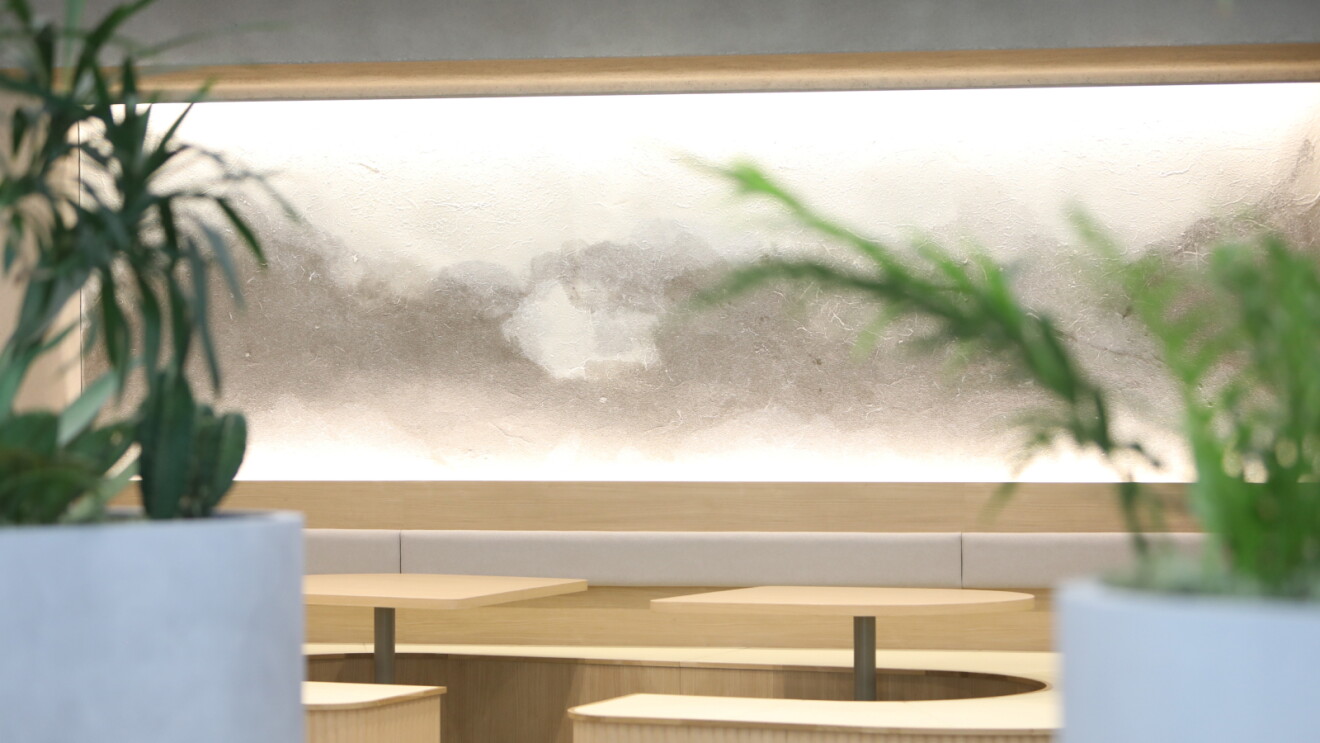
The walls tell the best story. They're lined with washi paper—a traditional Japanese handmade paper crafted from plant fibers—specially hand-dyed at a local workshop just for this space. Many leaders and employees took part in the dyeing themselves, layering colors by hand—making the tatami space one co-created by Amazon employees and local artisans.
The 40th floor also has well-being features throughout, with inclusion and accessibility in mind. There's a quiet room with massage chairs, for resetting during the day; an interfaith prayer room, open to anyone who needs quiet time, regardless of belief; and a health station with an occupational physician's office close by.
Cafeteria Hachimitsu: the social heart
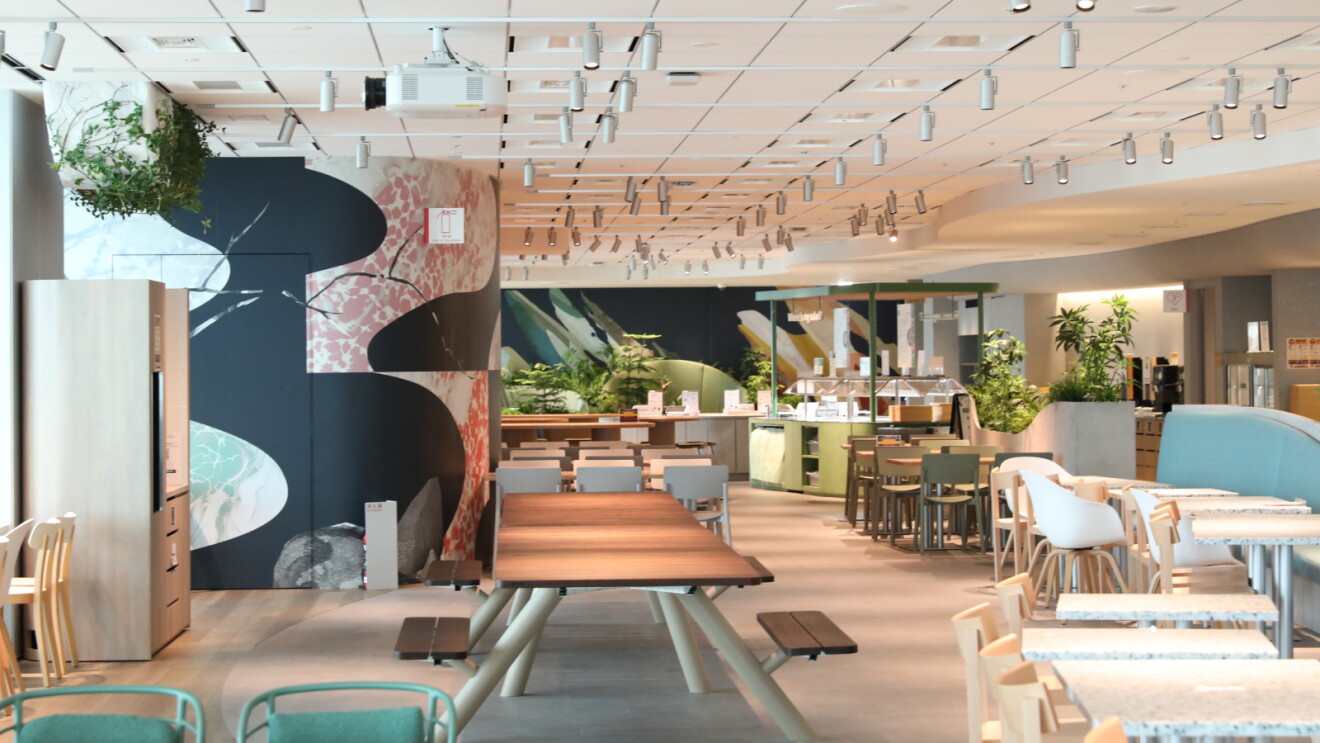
Hachimitsu is the in-house cafeteria whose name ("honey") was chosen through an employee vote.

It's far more than a lunch spot. There's a salad bar, vegan-friendly menus, a pastry section for breakfast and light snacks, and multiple bento options for grab-and-go days. Mobile ordering means you can order ahead and skip the queue at peak times. Above all, it's a social hub—a place where people from different teams naturally cross paths.
Don't overlook the ride between floors. The elevators are wrapped in the same design as the Amazon packaging customers handle every day—a reminder of Amazon's first leadership principle, customer obsession: always start from the customer and work backwards. You'll find the same design across other Amazon Japan offices and logistics hubs.
Door desks and upcycled art
Walk into any pantry and you'll find the counter tops are made from doors—specifically, doors upcycled from other Amazon offices.
The "door desk" is part of Amazon's DNA. In the earliest days, founder Jeff Bezos bought a door from a home center, attached legs, and used it as a desk rather than buying expensive furniture. The lesson wasn't about being cheap—it was about thinking flexibly and spending on what matters to customers.
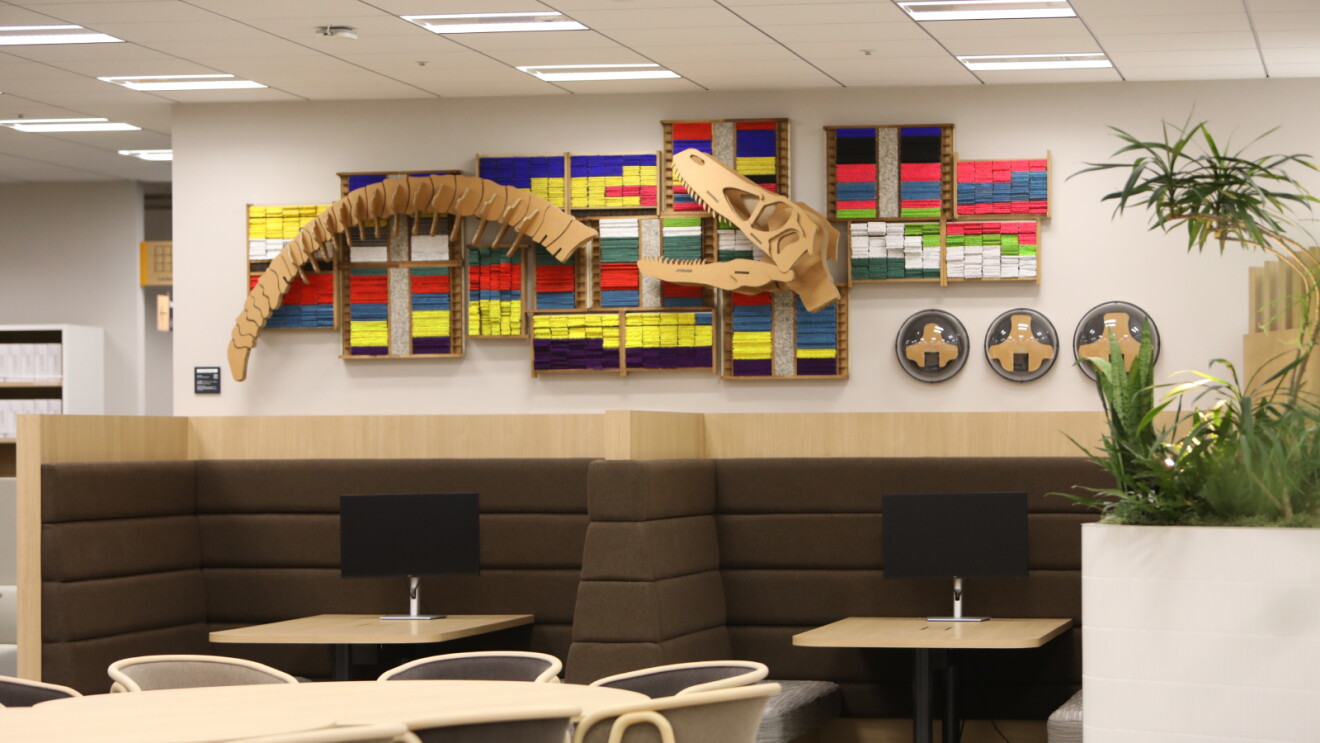
The same reuse thinking that runs through the door desks carries into the art here too—including a dinosaur piece made from materials upcycled from one of Amazon's older offices. Rather than discarding things that have served their purpose, Amazon gives them a new role by looking at them differently.
More news from around the world