Key takeaways
- Bad actors are using increasingly sophisticated tactics to impersonate trusted brands, like Amazon, and gain access to customer information.
- Customers can ask Alexa for Shopping whether an email, text, or call really came from Amazon.
- Through investments in automated technology and partnerships with key industry organizations, Amazon can take down reported phishing websites in just a few hours.
Not sure whether that email, text, or call really came from Amazon? You can now ask Alexa for Shopping and get an answer in seconds.
Impersonation scams happen when someone pretends to be Amazon and contacts you directly—through phone calls, text messages, social media, or emails—to trick you into sharing sensitive information like Social Security numbers, bank information, or Amazon account details.

Of all the scams impersonating Amazon reported by our customers globally in 2025, 28% involved attempts to gain access to customer accounts. These scams often use urgent requests or account-related messages to convince you to share your information. For example, customers often tell us they got an unexpected call claiming there was an issue with their Amazon account and asking them to install software or share a one-time password to fix it.
While these scams take place outside our store, we take their impact on customers seriously. As scammers evolve their tactics—from fake emails to text messages and fraudulent job offers—Amazon is investing to stay ahead, take down threats, and make it easy for you to verify communication.
How is Amazon fighting impersonation scams?
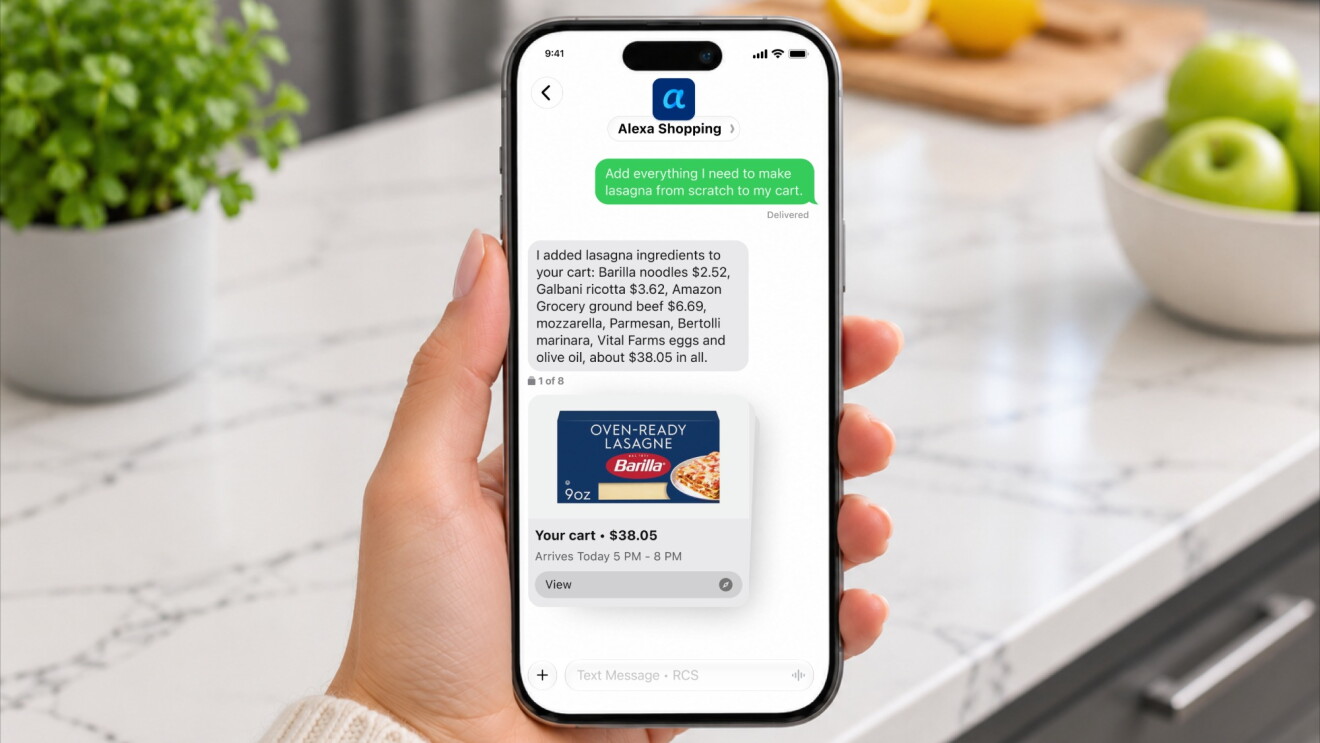
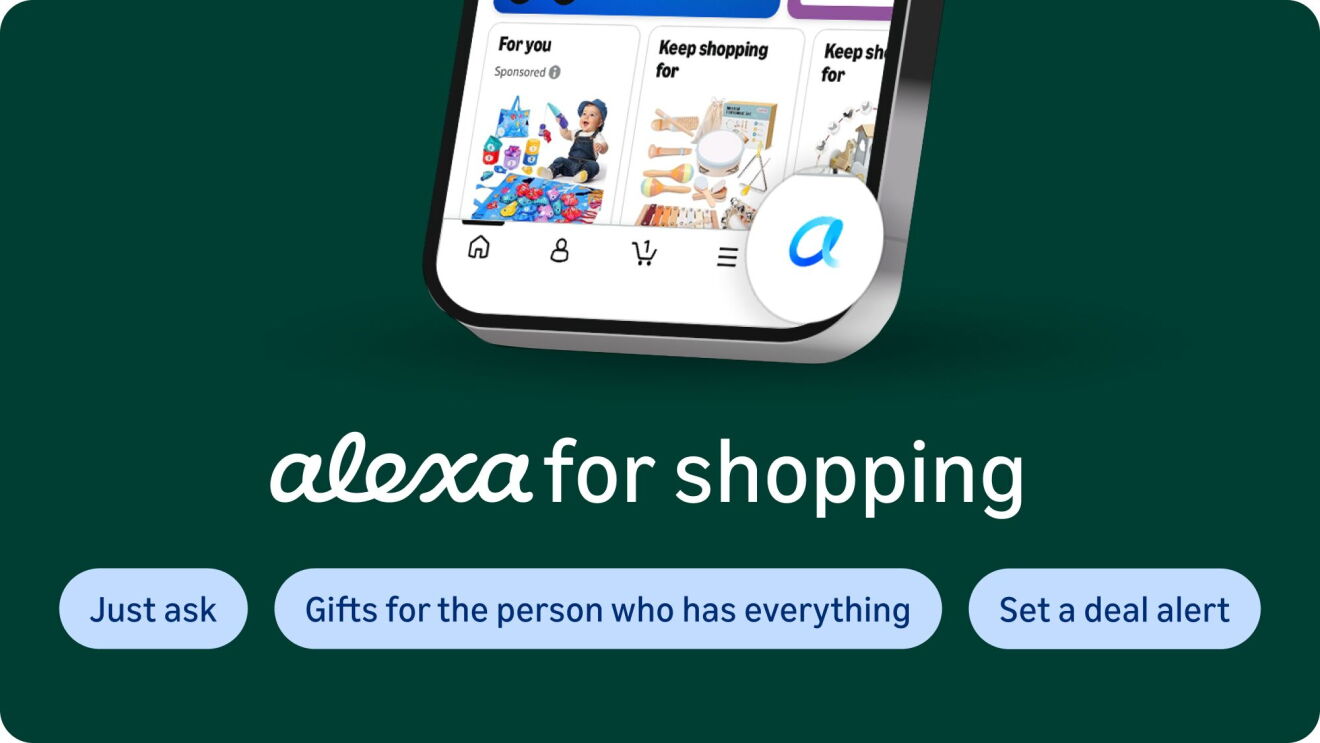
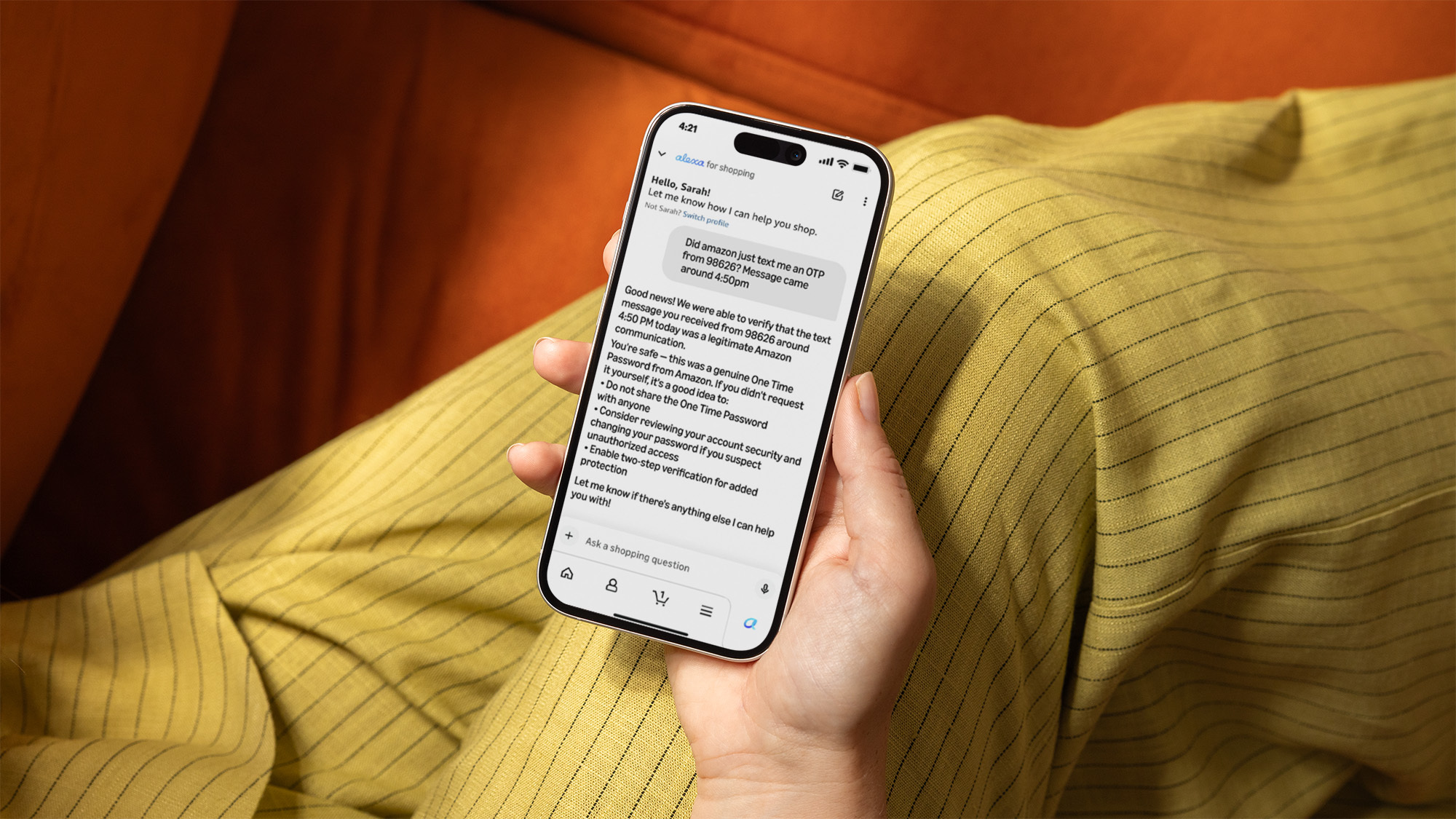
First, we want to make it easy to confirm that a message from Amazon is really from us. Customers can ask Alexa for Shopping—your personalized AI shopping assistant on Amazon.com and the Amazon Shopping app—whether a text, email, WhatsApp message, or phone call really came from us. Just describe what you received, including who it appeared to come from, when it arrived, and what it said. Alexa for Shopping checks it against a record of every message we’ve actually sent and tells you in seconds whether it's real, along with what to do next.
Second, we continue to hold bad actors accountable. Through continued investment in automated technology and partnership with key industry organizations, Amazon can now take down reported phishing websites in just a few hours. In 2025, Amazon initiated takedowns of more than 70,000 phishing websites and more than 14,000 phone numbers being used for impersonation scams.
Third, we educate consumers on how to avoid scams. While bad actors will try to evade detection, there are helpful tips that all of us can use.
6 tips to help you stay protected
No one is immune to scams, nor should anyone feel embarrassed when targeted by one. Bad actors are becoming increasingly sophisticated in their tactics, making scams harder to spot and easier for everyone to fall for. Here are six tips to help you avoid impersonation scams:
- Verify directly through Alexa for Shopping. If you receive a message—whether by email, text, WhatsApp, or phone—about a purchase, an account issue, or a product recall, and you’re not sure it’s legitimate, ask Alexa for Shopping on Amazon.com or the Amazon Shopping app whether the communication came from us. You can find more ways to verify whether a message is legitimate by visiting amazon.com/IdentifyAScam.
- Pay only through Amazon’s app and website. We will not ask for payment over the phone or by email—only in our mobile app, on our website, or in one of our physical stores. We will not call and ask you to make a payment or bank transfer on another website.
- Be wary of false urgency. Scammers often try to create a sense of urgency to persuade you to do what they’re asking. If a message pressures you to act right away, pause and verify it through Alexa for Shopping or the Amazon app first.
- Don’t be pressured into buying a gift card. We will never ask you to purchase a gift card, and no legitimate sale or transaction will require you to pay with gift cards. Learn more about common gift card scams on our help pages.
- Contact us. If you’re ever unsure, it’s safest to stop engaging with the potential scammer and contact us directly through the Amazon app or website. Don’t call phone numbers sent by text or email, or ones you find in online search results. Remember, we will not ask you to download or install any software to reach customer service, give remote access to your device, or pay for customer service support.
- Check what others are saying. See if anyone else has reported a similar situation. In the U.S., Amazon has partnered with the Better Business Bureau on Scam Tracker, a searchable tool where you can look up suspicious emails, URLs, and phone numbers that others have reported.
Report something suspicious
If you receive a message that you think may not be from Amazon, please report it immediately. When you verify a message through Alexa for Shopping, suspected scams are automatically reported to our internal teams. Customers can also use the Amazon self-service tool to report something suspicious in just a few quick steps. If you are not a customer, you can still verify a message or call by sending details to verify@amazon.com and report a suspicious message to us at reportascam@amazon.com. These reports give us information to identify bad actors and take action against them, helping us stop scams before they happen.
How Amazon protects you when you shop
We have a team of thousands of people globally—machine learning scientists, software developers, and expert investigators—dedicated to protecting our store and our customers from fraud and other forms of abuse. Always use Amazon’s official website and app when looking for deals, making purchases, and reviewing your order history.
We are committed to protecting consumers from scammers who seek to impersonate Amazon to take advantage of the trust customers place in us. We have zero tolerance for these criminals who pretend to be Amazon to commit fraud and will continue to pursue bad actors to hold them accountable.
As impersonation scams are a wide threat that reaches far beyond Amazon, we work across industry and collaborating with law enforcement and consumer protection organizations to confront this problem at its root. We will also continue to work with organizations to educate consumers and give them the tools they need to protect themselves.