
Key takeaways
- Amazon’s AI tools are designed for everyone, whether or not one has a technical background.
- Amazon’s HR leader used AI to write 100,000 lines of code—25 years after she last coded.
- The company is investing $2.5 billion to help at least 50 million people prepare for the future of work.
It's been 25 years since I'd written a line of code.
I started my career as a software developer in the transportation industry, building package tracking and international systems. Over nearly two decades, I moved into senior leadership, leading transportation businesses as chief information officer before eventually running the full air and ground networks, from engineering to operations.
In 2013, I was interviewing at Amazon for a transportation role when the recruiter threw me a curveball: “What would you think about doing a job in HR?” The interviewers had noticed I lit up when I talked about developing people. So, I took the chance. Today I lead the company's global HR organization as senior vice president of People Experience and Technology.

Throughout my career, I understood how software was built and led teams that built it. I just wasn't the one writing it anymore.
Then a few months ago, I decided to see what would happen if I started building again with AI. I started small and outside of work. My first project was a family calendaring app so we could all stay coordinated. It had been so long since I'd built anything that I was honestly a little nervous to start. I took a deep breath, started interacting with the tools, and within a couple of hours, I had something real.
Do you know how empowering it is to realize that after 25 years away from coding, you can actually build again?
That confidence carried me forward. On a flight back to Seattle, I opened Kiro, our AI-powered development tool, and started building. By the time I landed, I had built the submission app for what would become our internal team competition “Everyone Can Build.” The challenge was to build an app or tool that solves a real problem in your work or everyday life using AI. No technical background required.
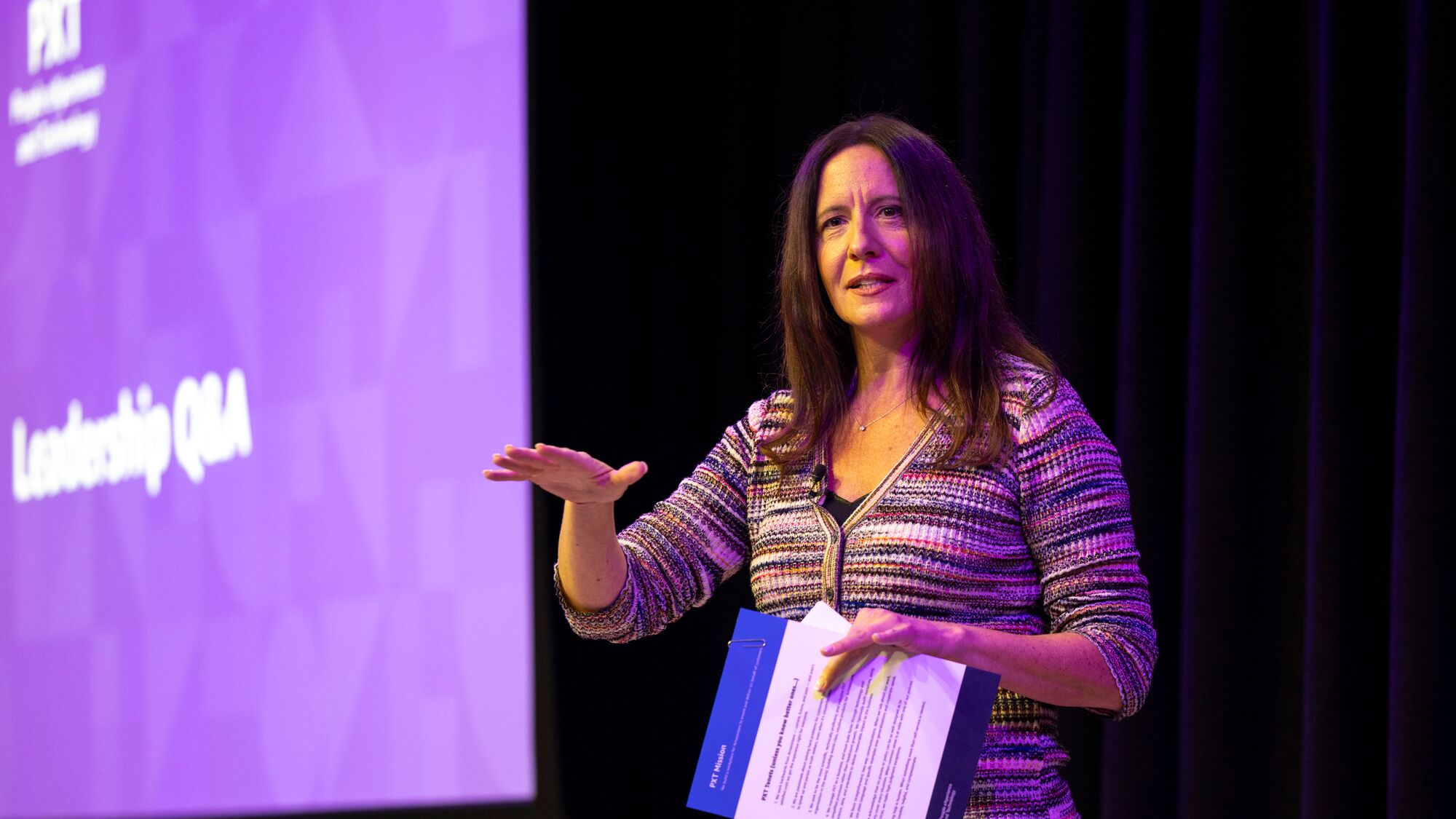
We opened the competition to every employee on our team, and within just a few weeks, more than 1,500 people were building.
 Amazon employees gather with HR leader Beth Galetti.
I couldn't believe what they built. One employee built an app that turned a nearly four-hour manual process into a one-second automated check, saving tens of thousands of hours annually. Another made a desktop pet named Momo that keeps your tasks, reminders, and shortcuts a click away.
Since then, I've written over 100,000 lines of code with AI. What I've found is that the more you work with these tools, the more natural the process becomes, and the more you realize they're expanding what you're capable of, not replacing it.
You don't need perfection to start. You just need to dive in. When I decided to build the submission app for our team competition, I didn't know how to begin, so I asked our internal AI workplace assistant, called Aza. It pointed me to the right tools and helped me take the first step. From there, I opened Kiro and started building. When you give employees the ability and tools to solve problems themselves, they will surprise you with what they create.
AI tools that help every employee work smarter
A few years ago, if a non-technical employee wanted to build something at Amazon, they needed a tech team and a spot on a roadmap. That's changed. As non-technical employees build more internally, our tech teams are freed up to move even faster, think bigger, and deliver even more for our customers.
Amazon Quick is our AI assistant for work. Teams use it to ask questions about data, run research that used to take weeks, and build automated workflows. Kiro is where you go when you want to build something. You describe what you want in plain language, and Kiro helps you plan it, write it, and test it. It's what I used on that flight to Seattle. We've also made both Quick and Kiro available outside of Amazon.
Aza gives employees instant answers about benefits, workplace accommodations, compensation, and IT. You can use it to book meeting rooms, apply for leave, or search for open roles.
At Amazon, every employee has access to AI tools. Whether someone needs a quick answer, wants to move faster in their day-to-day, or is ready to try building something new, the resources are there. The more people use these tools, the more capable they become with them, and that experience carries forward in their careers.
Investing in people for the jobs of tomorrow
Giving people powerful tools is only part of the equation. We also want to make sure that no matter someone's role or background, they have access to the education and skills training they need to build the career they want, whether that's at Amazon or beyond.
That’s why we launched Future Ready 2030, a $2.5 billion commitment to expand access to education and skills training and help prepare at least 50 million people for the future of work. Future Ready 2030 connects education directly to real employment outcomes across every stage of a career path. We’re inspiring K-12 students through programs like Amazon Future Engineer, opening doors to cloud-based jobs through AWS Educate programs, and offering apprenticeships like our Mechatronics and Robotics program, where graduates can earn up to 58% more per year than typical starting wages for entry-level roles.
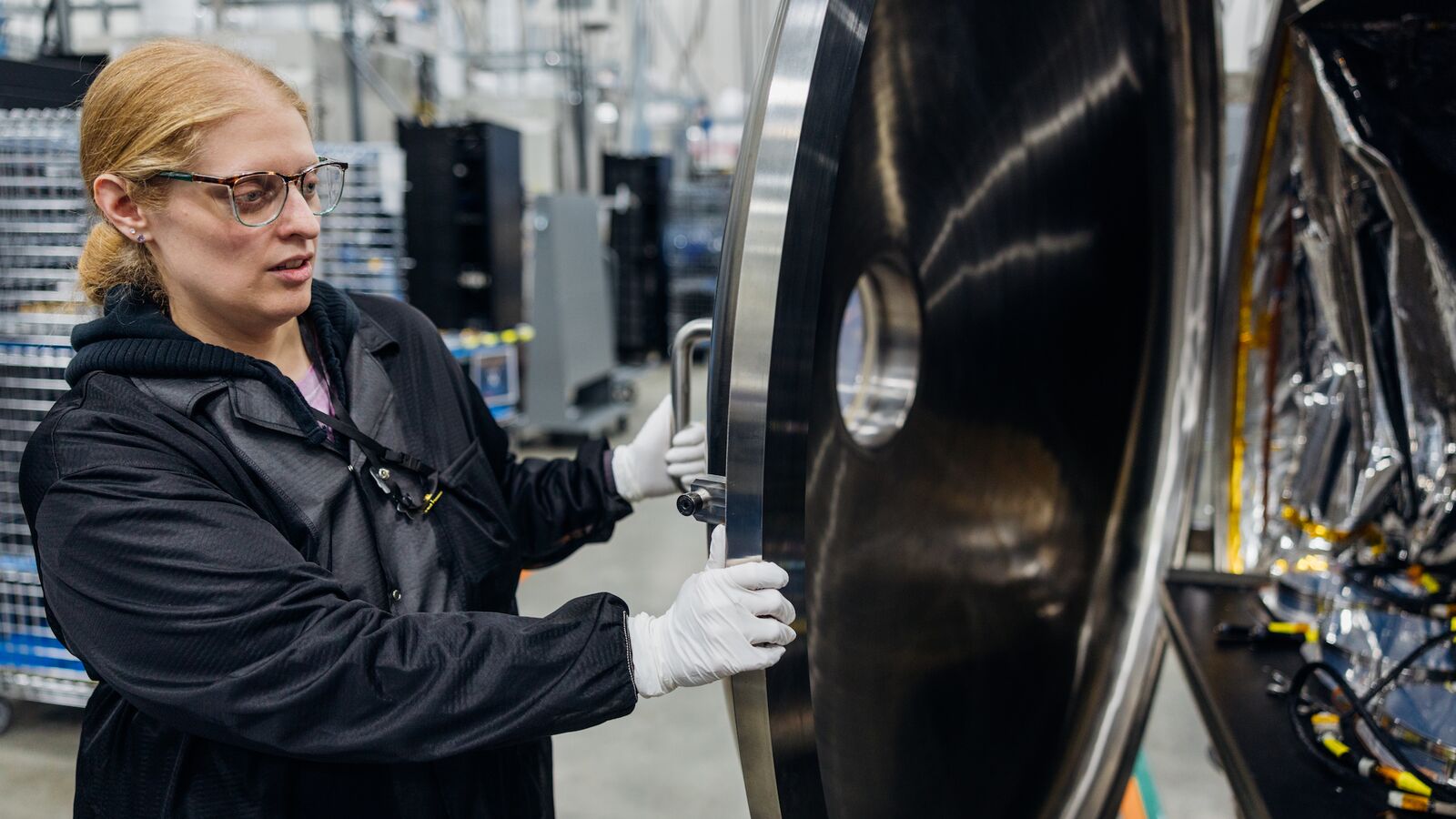
And as part of our Future Ready 2030 commitment, we’re investing $1 billion in Career Choice, Amazon’s education benefit that prepays tuition for degrees and skills development, with a goal of upskilling another 500,000 employees globally. It’s focused on areas of job growth like cybersecurity, software development, logistics, and renewable energy.
We also want to make it easy for people to build credentials that are recognized across industries. That's why AI training is free for every Amazon employee. Amazon covers the full cost of one AWS AI certification exam per year, with options ranging from foundational AI concepts to professional-level generative AI. Employees can choose the path that fits where they are in their learning journey.
This is one of the most exciting times in my career. When you give people the tools to build, they will surprise you with what they create. I can’t wait to see what we all build next.
For information about our broader workforce development programs, check out these Amazon skills training programs.
Trending news and stories
- The race our nation can’t afford to lose, plus a new commitment from us and a fresh set of community investments
- Introducing all-new Amazon Alexa Tablets—powerful tablets with Alexa+ built in
- Amazon introduces a completely redesigned Kindle family
- Amazon's Holiday Kids Gift Book is back with 600+ toys, games, and gifts for every age