
Key takeaways
- Amazon ranked No. 1 on Forbes’ 2027 list of America’s Best Companies, up from No. 2 last year.
- Amazon is investing in its employees through higher pay, new benefits, skills training, and a safer workplace.
- From Same-Day Delivery speeds to Amazon Bedrock, Amazon is giving customers faster, smarter ways to shop and build.
Amazon has been named the No. 1 company on Forbes’ 2027 list of America’s Best Companies, up from No. 2 last year.
The list, now in its third year, evaluates U.S. companies with more than 5,000 employees across more than 120 metrics spanning 12 categories, including employee sentiment, customer sentiment, financial performance, innovation, and social responsibility.

The recognition reflects the work of teams across Amazon’s businesses—from the people who pick and pack customer orders in fulfillment centers to the engineers building the cloud infrastructure that powers everyday applications and AI tools millions of customers trust to run their businesses. The investments the company makes in communities it serves help create opportunities for millions of people and make everyday life simpler and better for customers.
Here’s a look at some of the work behind this year’s ranking.
How Amazon’s culture of innovation is making consumers’ lives easier and more affordable
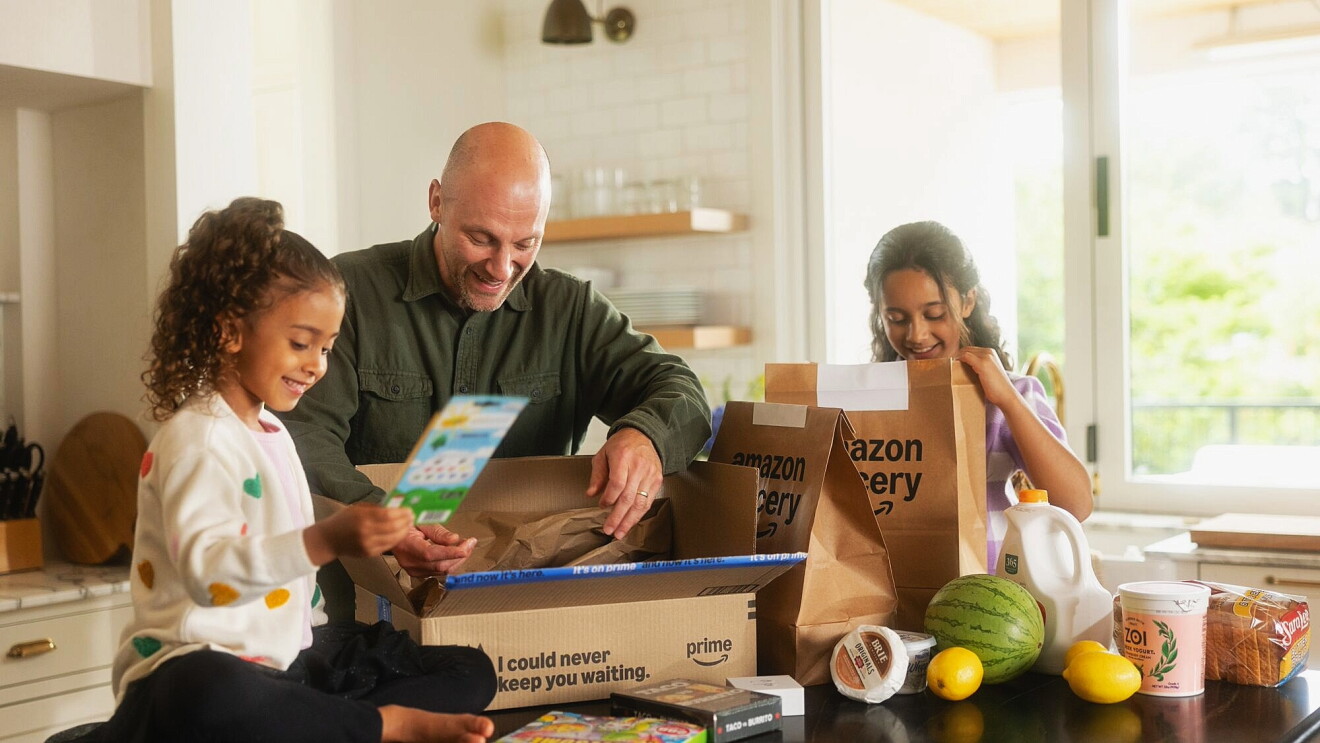
At Amazon, innovation starts with what customers need. This year, the company found more ways to help families save money and time.
Amazon offers everyday low prices across the widest selection to hundreds of millions of customers worldwide. Prime members save even more with exclusive deals, free delivery, and discounts on fuel and prescriptions, and more benefits. Customers save billions each year with Amazon and Prime, averaging more than $1,000 per customer for 100 million customers.
Amazon added more choices as well, from everyday essentials to healthcare and entertainment, and introduced AI shopping tools to help customers find what they’re looking for. The company also expanded fast delivery across the U.S., including rural communities, from 30-minute or less Amazon Now and Prime Air drone deliveries that arrive in as little as 30 minutes, to 1-hour and 3-hour Same-Day windows, so customers can skip the store and get more control and convenience.
How Amazon is serving customers with Amazon Bedrock and custom chips

Amazon Bedrock gives customers easy access to foundation models from top AI model providers in a single service, so they can build and scale generative AI applications.
Behind the scenes, Amazon designs a portfolio of custom chips, helping power the work of leading AI labs, including Anthropic and OpenAI. AWS Trainium is purpose-built for training and running AI models, and AWS Graviton powers everyday cloud computing and the CPU-intensive workloads behind the agentic AI era. Graviton customer adoption has surpassed 130,000 customers, up 45% year over year as of Q2 2026.
Demand is showing up in AI partnerships. This year, Amazon deepened its collaboration with Anthropic, with the AI company committing to spend more than $100 billion over the next decade on AWS technologies, including current and future generations of Trainium and tens of millions of Graviton cores.
How Amazon is helping protect and replenish water in the communities where it operates

Healthy watersheds support communities, and the company is investing in projects that protect and restore them. AWS has committed to returning more water to communities and the environment than it uses in its direct data center operations by 2030 and is already 75% of the way toward that goal.
For example, near Reno, Nevada, Amazon is funding forest restoration with The Nature Conservancy to reduce wildfire risk and leave more water in the Truckee River watershed. Amazon has also invested $20 million in the Colorado River as part of a coalition to mobilize $100 million for water conservation.
Amazon is expanding its use of reclaimed water for data center cooling to more than 130 locations by 2030. And about 90% of the time, Amazon’s data centers use no water at all for cooling, 7x better than the industry average.
How Amazon uses AI and robotics to support its teammates
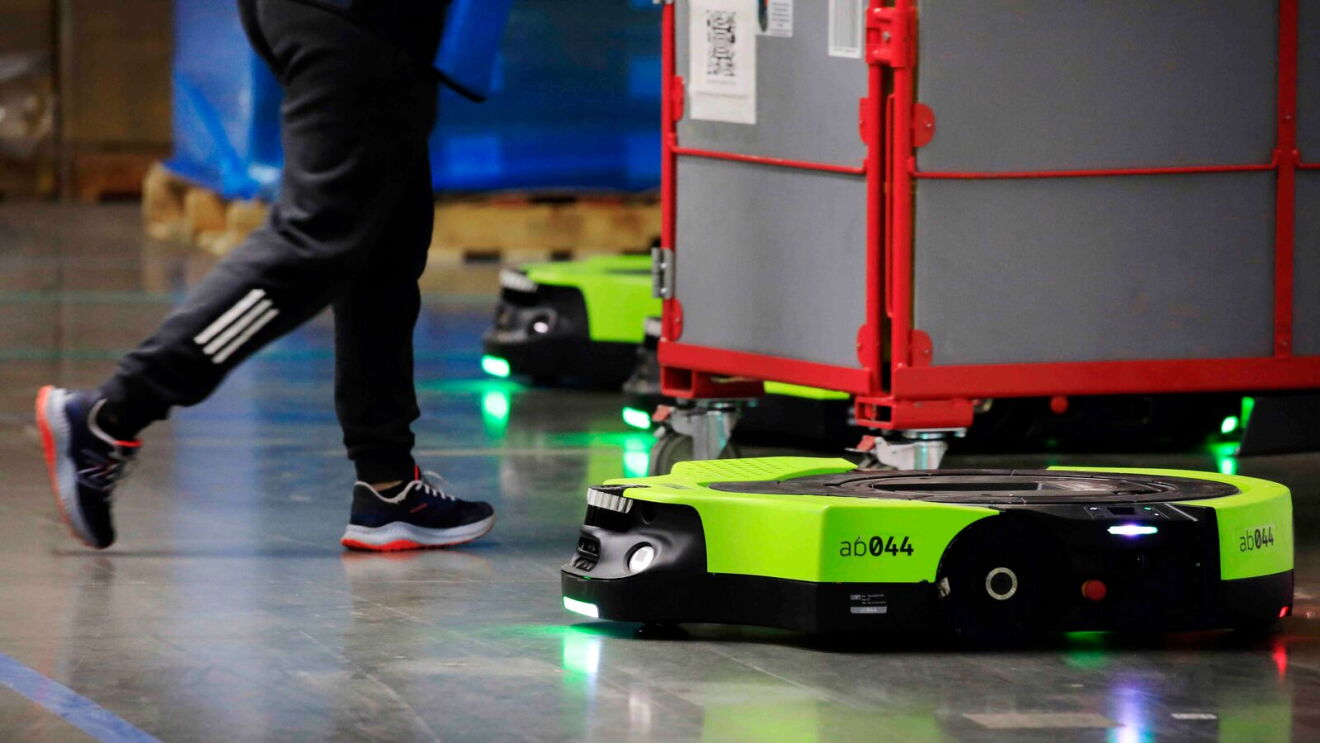
Amazon is applying AI and robotics to help make work safer and more efficient across its operations. Amazon now has more than a million robots operating in its fulfillment network, taking on more of the physically demanding, repetitive work of stowing, picking, sorting, and transport.
That shift is already visible on the ground. Earlier this year, Amazon introduced the next generation of Proteus, an autonomous mobile robot that employees can direct with simple voice or text prompts, with no coding or complex controls. Proteus navigates safely around people and carries heavy loaded carts, helping reduce the need for employees to push or pull them over long distances.

The impact goes beyond safety. Robotics has created entirely new roles in Amazon facilities, from floor monitors and technicians to robotics maintenance and systems management, and programs like the Mechatronics and Robotics Apprenticeship help employees move into them. Kathy Colbenson started as a picker at our fulfillment center in Appling, Georgia, and is now a robotics technician who repairs the robotic drives that move orders through the fulfillment process.
How Amazon is making every day better for employees
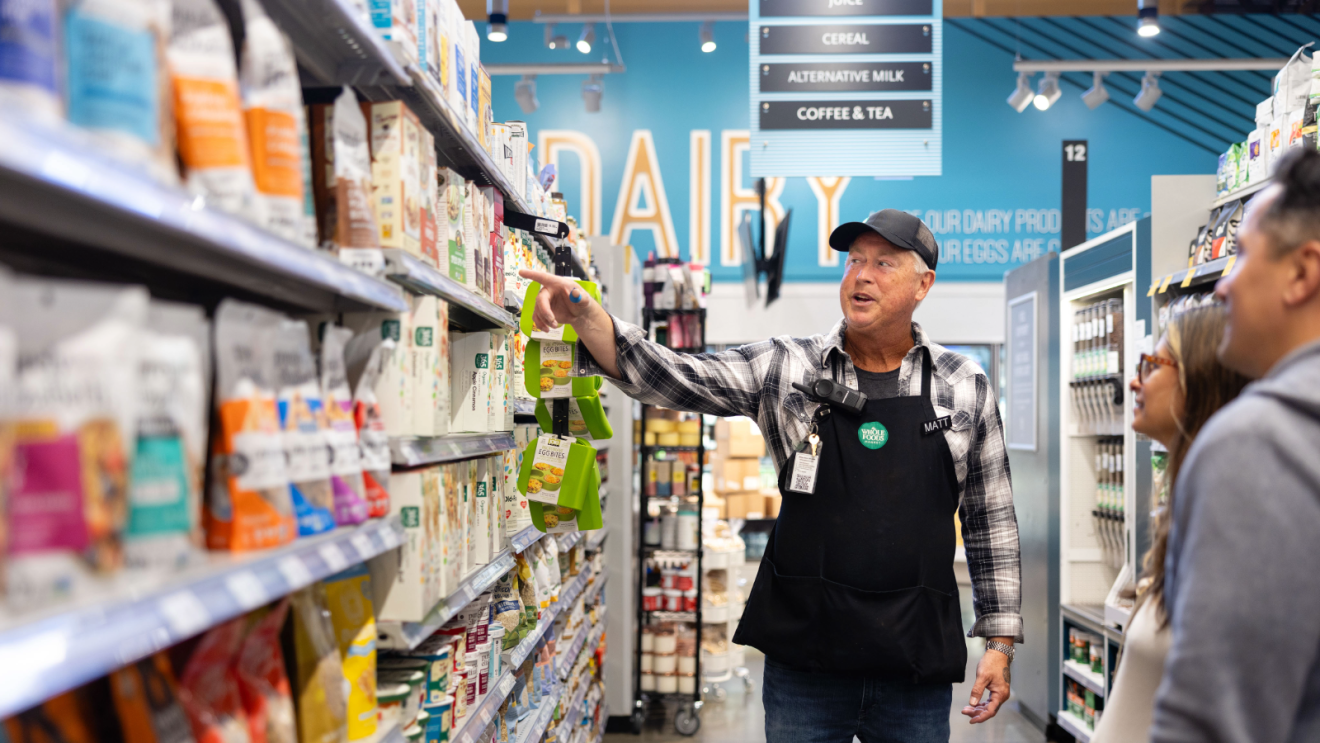
Amazon continues to raise the bar on pay and benefits for its operations employees. This year, the company raised minimum starting pay for U.S. full-time core operations employees to $20 an hour, with average pay reaching nearly $24 an hour and average total compensation exceeding $32 an hour once benefits are included. Amazon also introduced access to a new lifetime banking benefit through First Tech Federal Credit Union that gives qualified employees and their families access to low-cost checking and savings accounts—with no credit history required—for life.

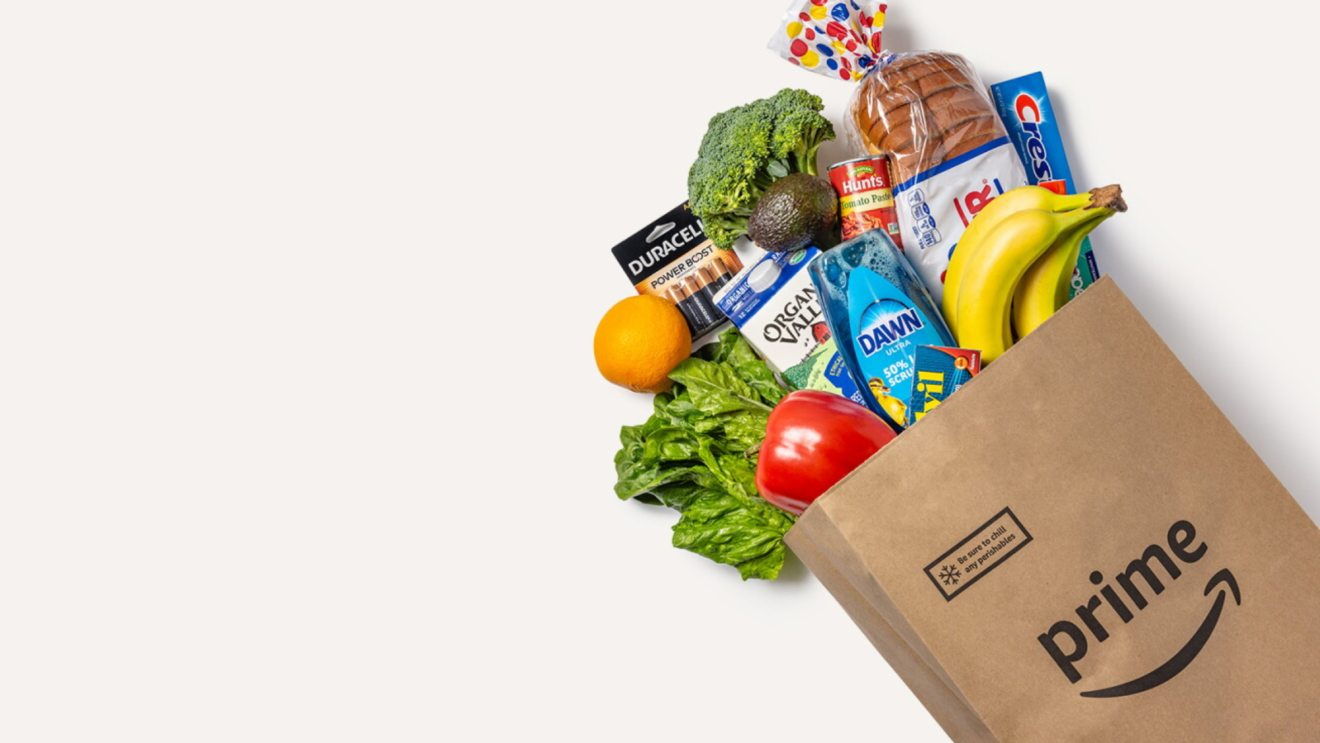
Amazon is making everyday groceries more affordable with a new Employee Grocery Discount, an uncapped 10% off eligible groceries and everyday essentials on Amazon.com and Whole Foods Market Online, and an uncapped 20% off in-store at Whole Foods Market, including the hot bar and salad bar. This is available to every U.S. employee whether they work at a fulfillment center, a Whole Foods Market store, a corporate office, or anywhere else across Amazon.
These investments build on existing benefits like healthcare starting at $5 a week and a free Prime membership.
How Amazon is investing in education and skills training to advance the future of work—for its employees and neighbors

In 2025, Amazon invested $2.5 billion in its Future Ready 2030 initiative, a commitment to help prepare 50 million people for the future of work. The effort supports students, employees, and those looking to expand their skills to adapt to the changing workforce.
Career Choice, Amazon’s prepaid tuition program, is a key part of that commitment. Since 2012, more than 500,000 employees globally have participated to pursue degrees and certifications. More broadly, Amazon has helped more than 700,000 employees globally develop their careers through prepaid education and training programs.

Amazon has also expanded hands-on AI and cloud learning through AWS Skill Builder with free courses, simulations, and group learning experiences, helping professionals validate job-ready skills and apply AI in real-world environments.
How Amazon’s delivery network supports disaster relief and food access
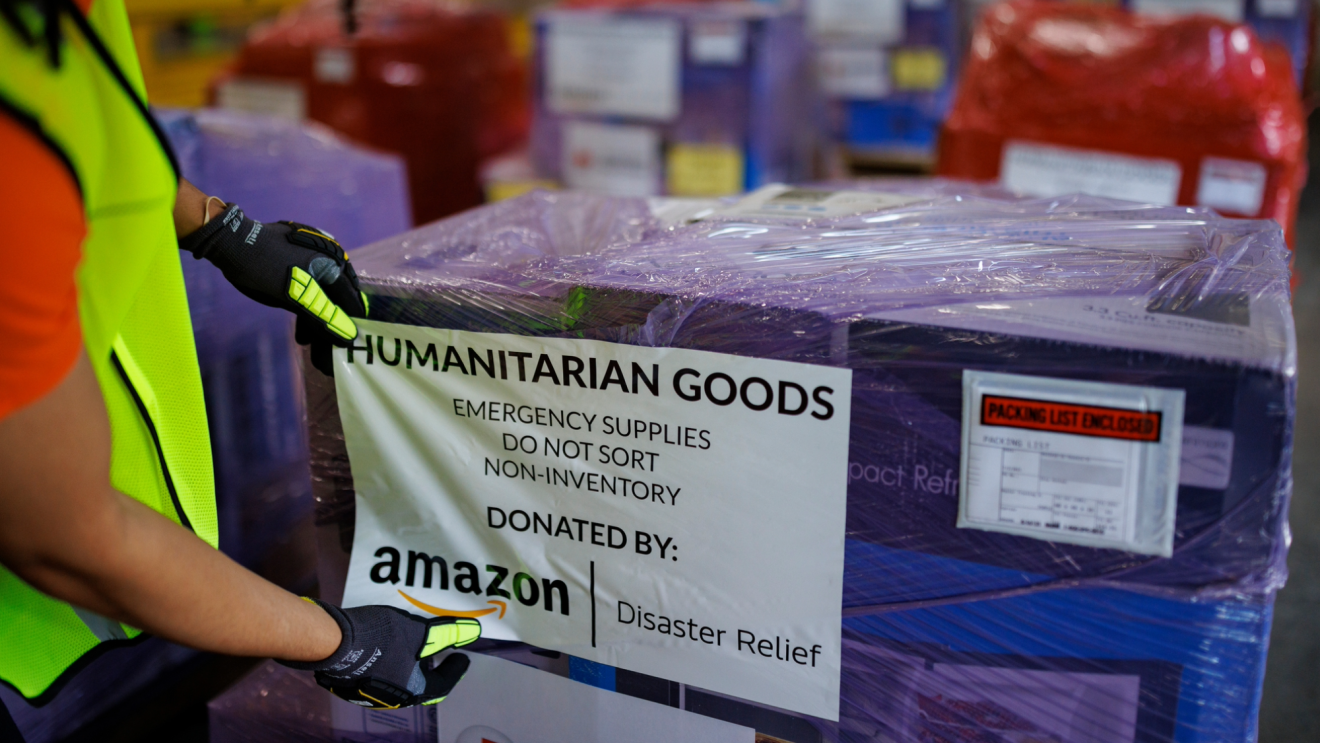
Amazon’s delivery network does more than drop off packages. It carries emergency supplies to communities after natural disasters and free meals to families who need them.
The company keeps disaster relief hubs stocked near disaster-prone regions around the world so it can get tarps, blankets, and other essentials to partners like the American Red Cross and World Central Kitchen within hours of a disaster.
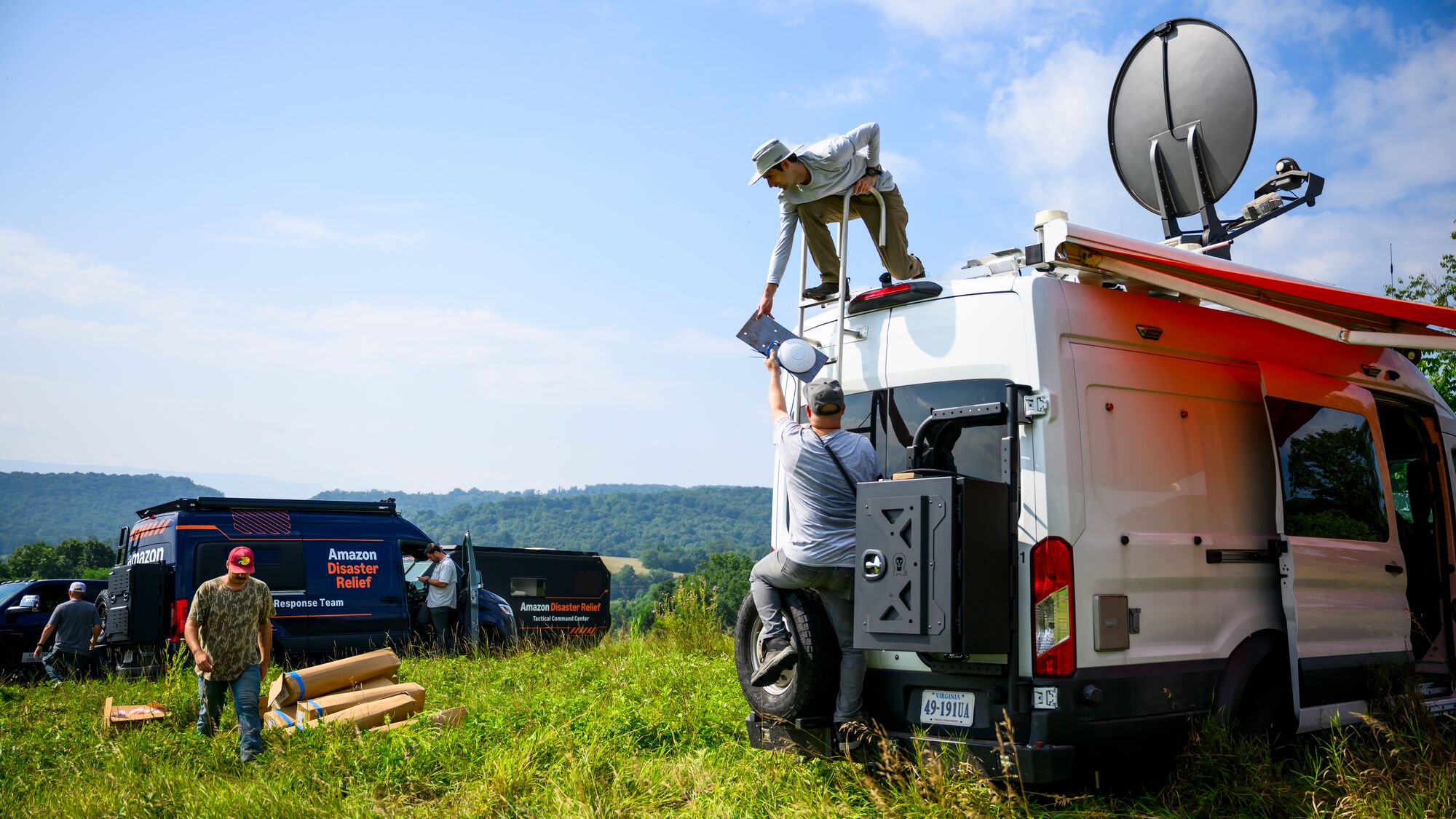
Since 2017, Amazon has donated more than 32 million supplies in response to more than 250 natural disasters worldwide. Closer to home, the company delivered more than 240,000 emergency supplies and donated $3 million for response and recovery after flooding and wildfires hit Washington state communities.
The same network helps families access food. There are several barriers that make it difficult for people to reach a local food pantry. Some families don’t have a car. Others are working during pantry hours or have health challenges that make it hard to leave home. Through home delivery, Amazon helps food bank partners bring food directly to those families, delivering more than 75 million meals in the U.S. since 2020.
Next, learn more about how Amazon is creating more than 300,000 new U.S. jobs this holiday season with increased pay and expanded benefits.