Key takeaways
- Amazon is investing $20 million in water conservation projects across the Colorado River Basin as part of a new coalition.
- The new coalition, the Colorado River Basin Collaborative, has a two-year objective of raising $100 million.
- As part of the coalition, Amazon is funding two projects in California and Arizona.
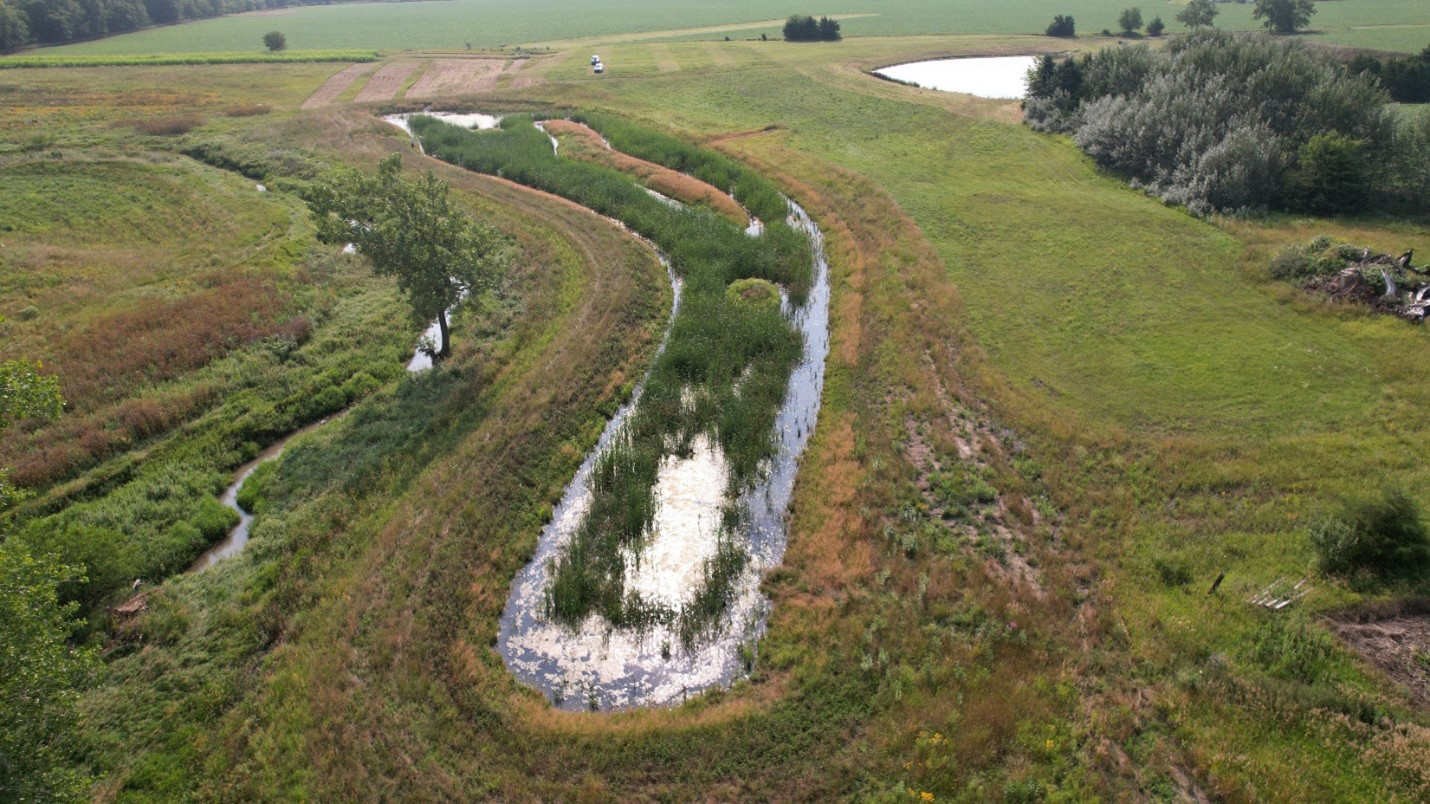
The Colorado River carved the Grand Canyon and has shaped the American West for millions of years. It serves 40 million people, 5.5 million acres of farmland, 30 tribal nations, and hundreds of plant and animal species across seven states and Mexico. It powers the Hoover Dam and supplies water to Los Angeles, Phoenix, Las Vegas, and the farms that produce 90% of America's winter vegetables.
But after 25 years of severe drought, the river's largest reservoirs are below 30% capacity, and the gap between supply and demand is roughly 1 trillion gallons per year. To address this, Amazon is launching the Colorado River Basin Collaborative (CRBC) and plans to invest $20 million in water conservation in communities that rely on the Colorado River. The CRBC’s objective is to create one of the biggest corporate water conservation efforts for a single U.S. watershed.
Amazon is also joining the Water Resilience Coalition to help lead collaborative action on priority water challenges around the world. So far, participating companies have voluntarily committed more than $32 million—which includes Amazon's $20 million—toward an objective of $100 million in two years. The effort is backed by the Climate Pledge, a commitment by more than 700 companies to reach net-zero carbon emissions by 2040. Other participating organizations include Aldi, The Coca-Cola Foundation, Ecolab, EdgeConneX, Grundfos, Vantage, and Xylem.
"Through the Climate Pledge, we've seen what happens when companies tackle a problem together: progress accelerates. We're bringing that same model to the Colorado River because water and climate are deeply connected. What sets this apart is also quick action—starting now through 2028, the coalition will deploy funding into projects that are already vetted and ready to go," said Kara Hurst, chief sustainability officer at Amazon.
Two projects putting Amazon's investment to work
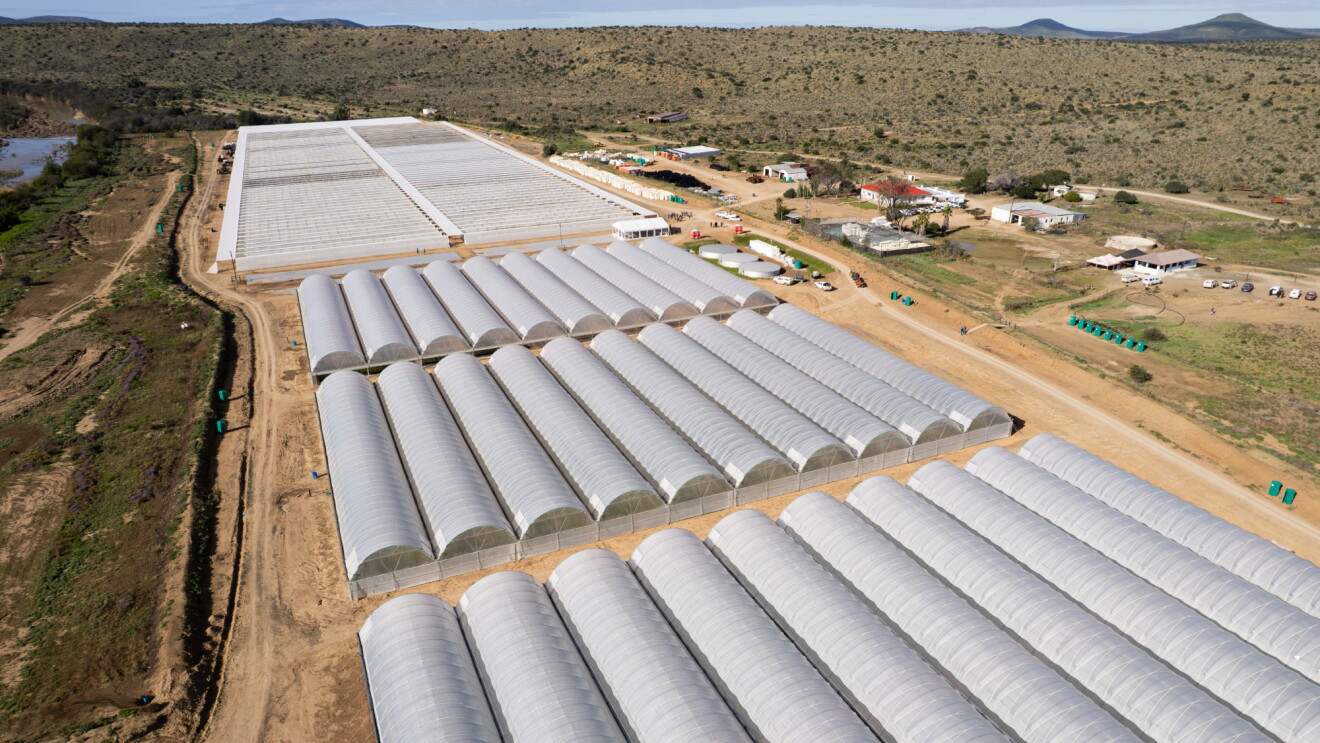
 Amazon is funding expanded leak detection (left) and investing in Arable for irrigation efficiency technology (right).
Examples of where Amazon is already at work include investing $2.2 million over three years with the Municipal Water District of Orange County, which provides water to 3.2 million residents. Amazon's funding will expand leak detection in communities that can't afford it on their own, as well as pay for leak repairs. Once fully implemented, the project is expected to save more than 189 million gallons of water per year.
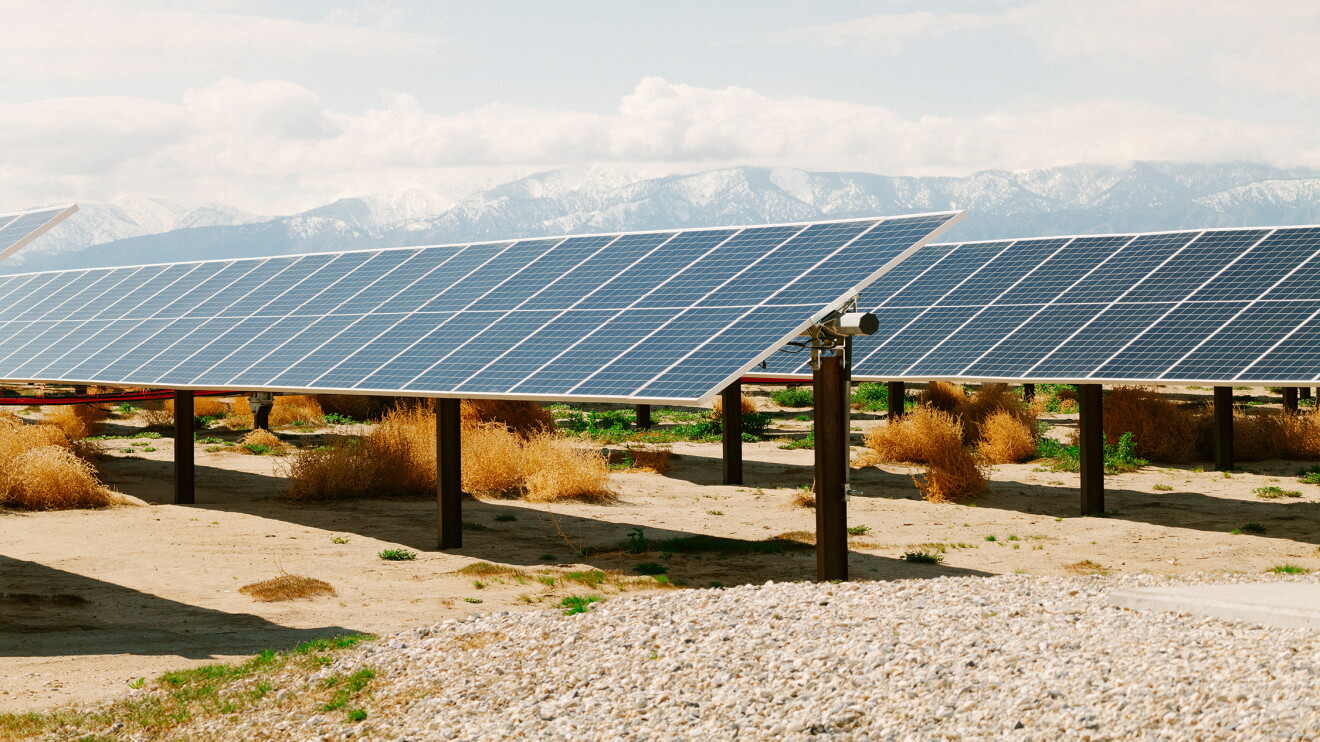
Amazon is also investing $2.4 million with Arable, an agricultural technology company, on irrigation efficiency on tribal farmland in the Lower Colorado River Basin. The project uses AWS-powered sensors that give farmers real-time data on when their crops need water, helping them draw significantly less water from Lake Mead, Las Vegas’ primary water source. The project is expected to save approximately 238 million gallons of water per year.
How the coalition works: collaborative action, tangible results
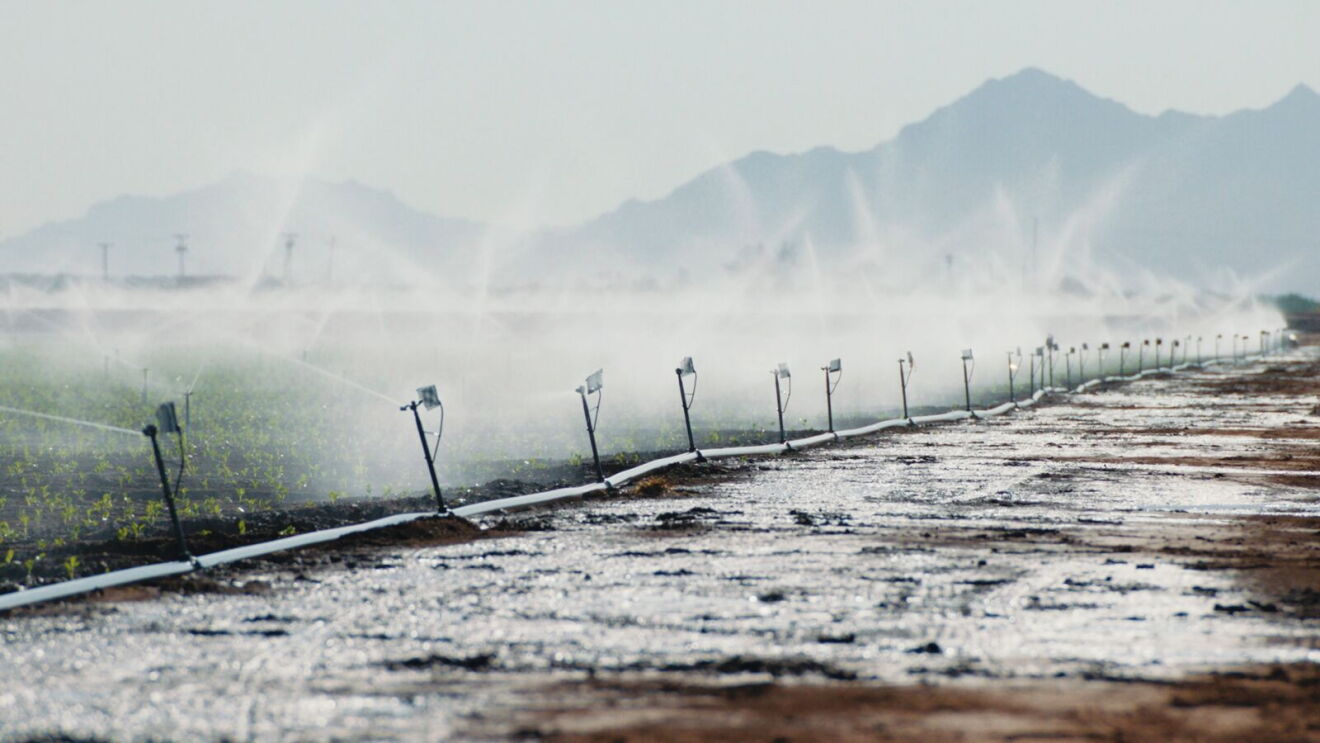
Rather than pooling contributions into a single fund—where competing priorities can delay deployment—each company will contract directly and independently with vetted project teams across the basin. That structure lets funding flow faster, gives every organization a clear line of sight into the impact their investment delivers, and makes it easier for new companies to join at their own pace and scale.
The projects range from AI-powered sensors that help farmers use only the water their crops actually need, to lining canals so less water is lost in transit, to finding and fixing leaks in city water systems. These help keep more water in the river for communities, farms, and ecosystems that depend on it. Several of these use AWS tools to help farmers and water managers make decisions in real time.
The Water Resilience Coalition, part of the Pacific Institute, will run the program daily—vetting projects, tracking results, and bringing in new funders. The Climate Pledge is using its collective reach to connect companies interested in this work with tangible action they can take, recognizing that climate resilience and water security are deeply interconnected—and applying the same coalition approach that helps accelerate decarbonization to the water crisis unfolding alongside it.
Trending news and stories
- Prime Big Deal Days is back October 6-7: Here’s what to expect
- Amazon raises minimum starting pay for full-time core operations employees to $20/hour, with average pay reaching nearly $24/hour
- Prime Big Deal Days 2026: Early deals you can shop right now
- Amazon is giving every US employee a discount on groceries