
Key takeaways
- AWS Graviton chips deliver leading price performance and energy efficiency for applications running in the cloud.
- Graviton enables faster application performance while reducing infrastructure costs and environmental impact.
- More than 90,000 customers use Graviton, including Uber, which relies on the chips to match riders with drivers in milliseconds.
- From real-time gaming to Formula 1 racing, Graviton handles applications where milliseconds matter.
You may have heard about powerful AI chips that train the latest models. But behind every app, website, and piece of software running in the cloud, there's a different kind of processor doing the heavy lifting: the central processing unit, or CPU. The chip handling those everyday tasks makes all the difference in how quickly and affordably your applications run.

Traditional server chips weren't built for the cloud. AWS Graviton is a family of custom chips designed specifically for cloud computing, helping companies run applications faster and more efficiently. Since 2018, Amazon has launched five generations of Graviton chips, each building on the last.
Why Amazon built its own processors
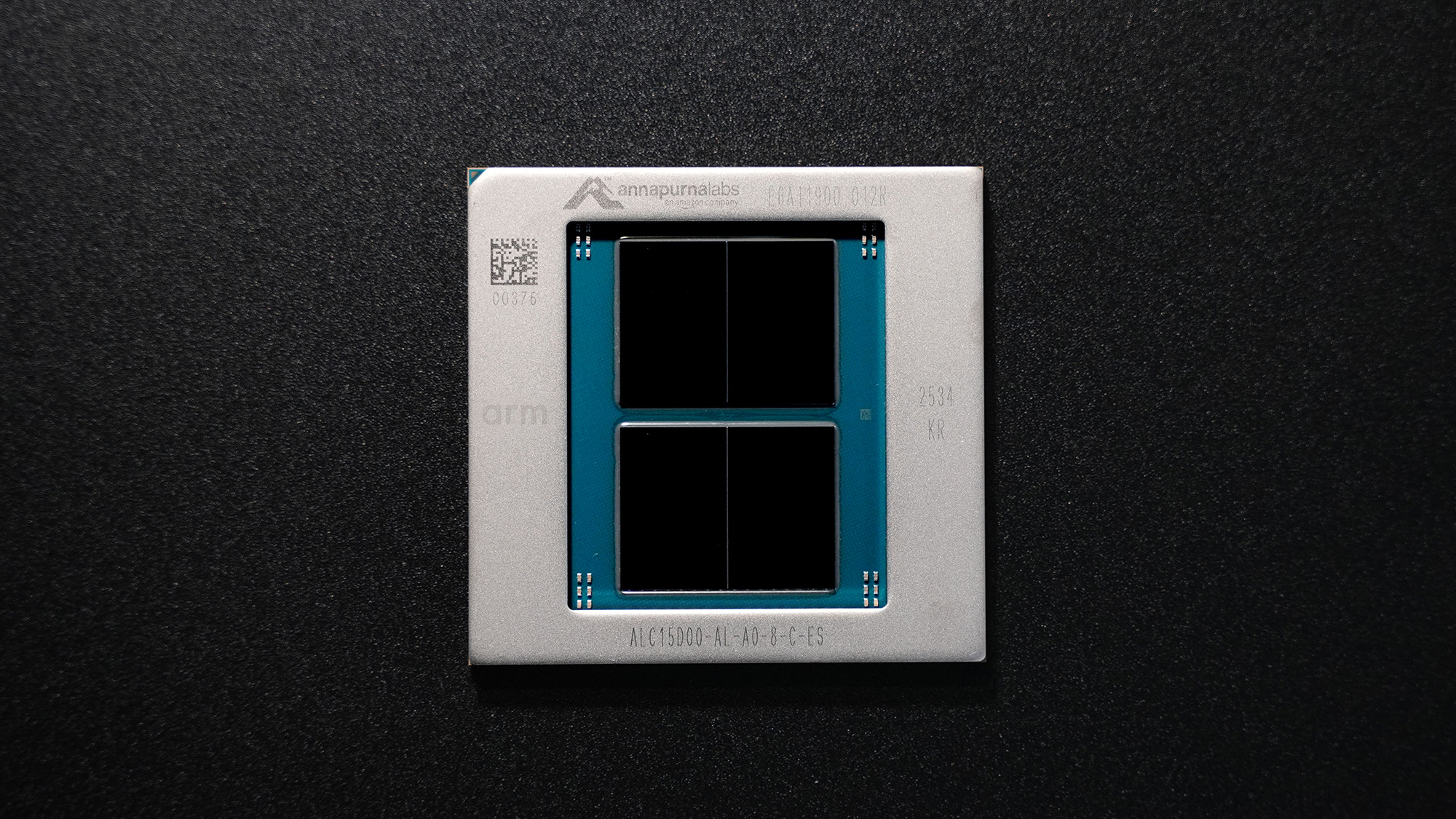
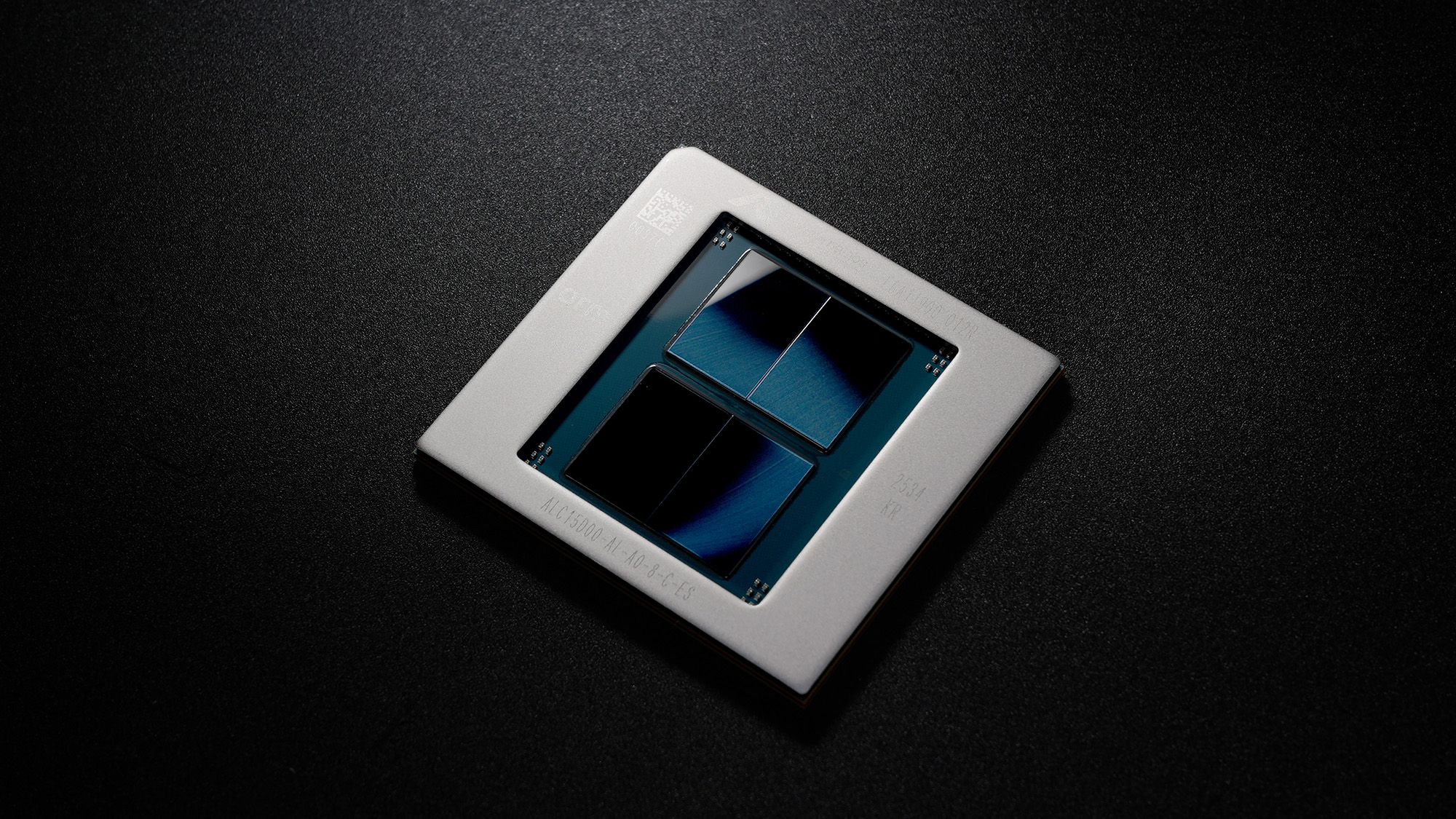
Amazon saw an opportunity: by building its own chips specifically for cloud computing, it could offer customers better performance at a lower cost. The result was Graviton, Amazon’s first custom cloud processor. Fast forward to today: Graviton5 is a chip with 192 cores—the most processing power packed into a single Amazon chip—delivering up to 25% better performance than Graviton4 while maintaining leading energy efficiency.
Five generations of innovation
- Graviton (2018): Amazon launched its first custom cloud processor, proving that the energy-efficient chip technology behind smartphones could handle serious cloud workloads.
- Graviton2 (2019): The second generation delivered a massive leap—up to 40% better price performance than comparable processors, making it significantly cheaper for companies to run their applications.
- Graviton3 (2021): The third generation used 60% less energy for the same performance as comparable Amazon EC2 instances, helping customers reduce their environmental impact while improving performance.
- Graviton4 (2023): With triple the processing cores, Graviton4 handled more demanding workloads—like large databases and analytics—faster and more efficiently.
- Graviton5 (2025): The latest generation doubles core count to 192 and delivers up to 25% better performance than Graviton4, powering the most demanding applications from real-time gaming to AI.
The technology behind your favorite apps
When you're ordering an Uber, you probably don't think about the processors matching you with a driver. But Uber does. The company uses Graviton to power its Trip Serving Zones—the system that processes millions of predictions and location data points in milliseconds—matching drivers with riders in real time. Graviton's performance ensures you get shorter wait times and reliable service, even during rush hour.
Or consider Formula 1 racing. As drivers hurtle around tracks at over 200 miles per hour, Graviton processors work behind the scenes to turn real-time car data into the graphics and statistics viewers see during broadcasts. Companies like Pinterest and Airbnb have also moved to Graviton, improving performance while reducing costs and carbon footprints.
Built for what matters
Today, Graviton is used by 98% of the top 1,000 customers of Amazon EC2, the company’s cloud computing service. Over half of all new processing power added to AWS runs on these chips. Companies use Graviton for web applications, databases, big data analytics, gaming servers, video encoding, machine learning, and high-performance computing.

From the apps on your phone to the streaming services on your TV, Graviton is quietly powering more of your digital life—making it faster, more affordable, and more sustainable.
Trending news and stories
- The race our nation can’t afford to lose, plus a new commitment from us and a fresh set of community investments
- Amazon introduces a completely redesigned Kindle family
- Amazon's Holiday Kids Gift Book is back with 600+ toys, games, and gifts for every age
- Ring introduces four new 4K cameras and a pan-tilt indoor cam