
Key takeaways
- Amazon delivered more than 2 million summer meals to kids across 13 states for free.
- The program uses Amazon's rural delivery network to bring free shelf-stable meals to families.
- Millions of kids lose access to free school meals each summer, and few have access to charitable meal programs.
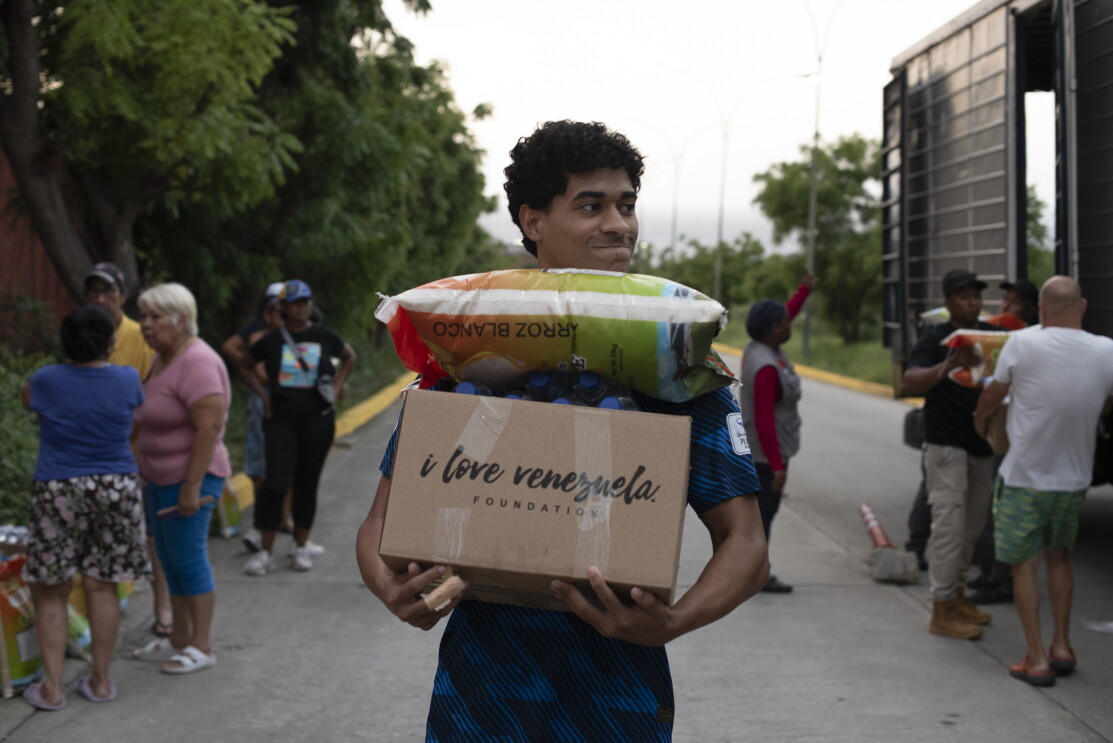
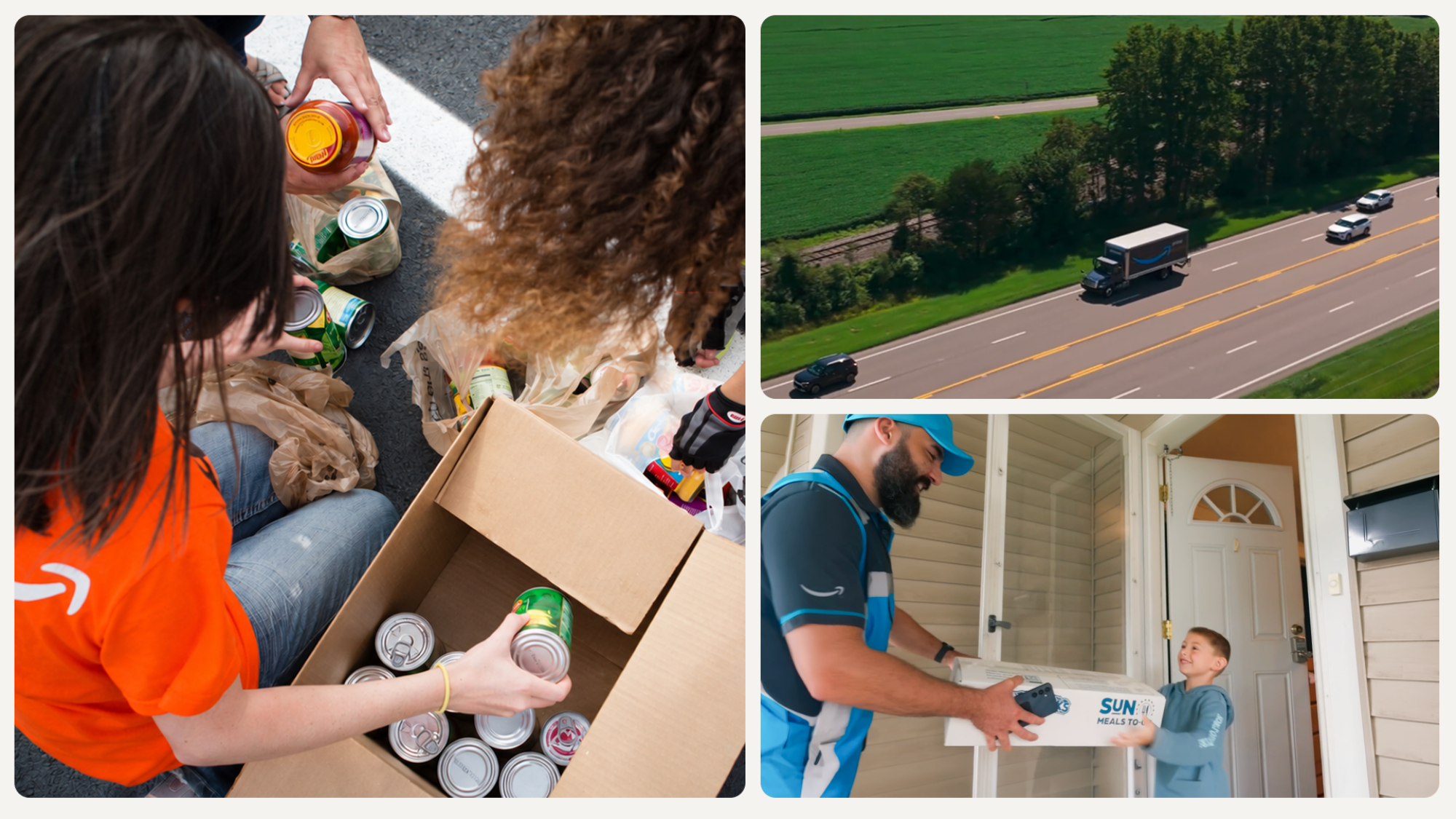
Amazon delivered more than 2 million meals directly to students' doorsteps in rural communities across 13 states this summer—at no cost to families or partners.
The Summer Meals for Kids program, a partnership with No Kid Hungry and 18 local food bank and school district partners, uses Amazon's rural delivery network that delivers packages to customers in small communities across America every day to bring nutritious food to families when school meals aren't available.
This program, which Amazon and No Kid Hungry piloted with three partners in 2025, delivered more than 71,000 meals to students who had no other way to access food during the summer. One year later, the program expanded to 18 partners across 13 states, delivering nearly 30 times more than it did in 2025.
"Amazon's delivery network already reaches some of the most remote communities in America every single day,” said Kadie Newman, vice president of transportation services at Amazon. “Working alongside No Kid Hungry and local food banks and school districts, we're applying that same last mile infrastructure to help close the summer hunger gap—delivering meals directly to kids who might otherwise go without."
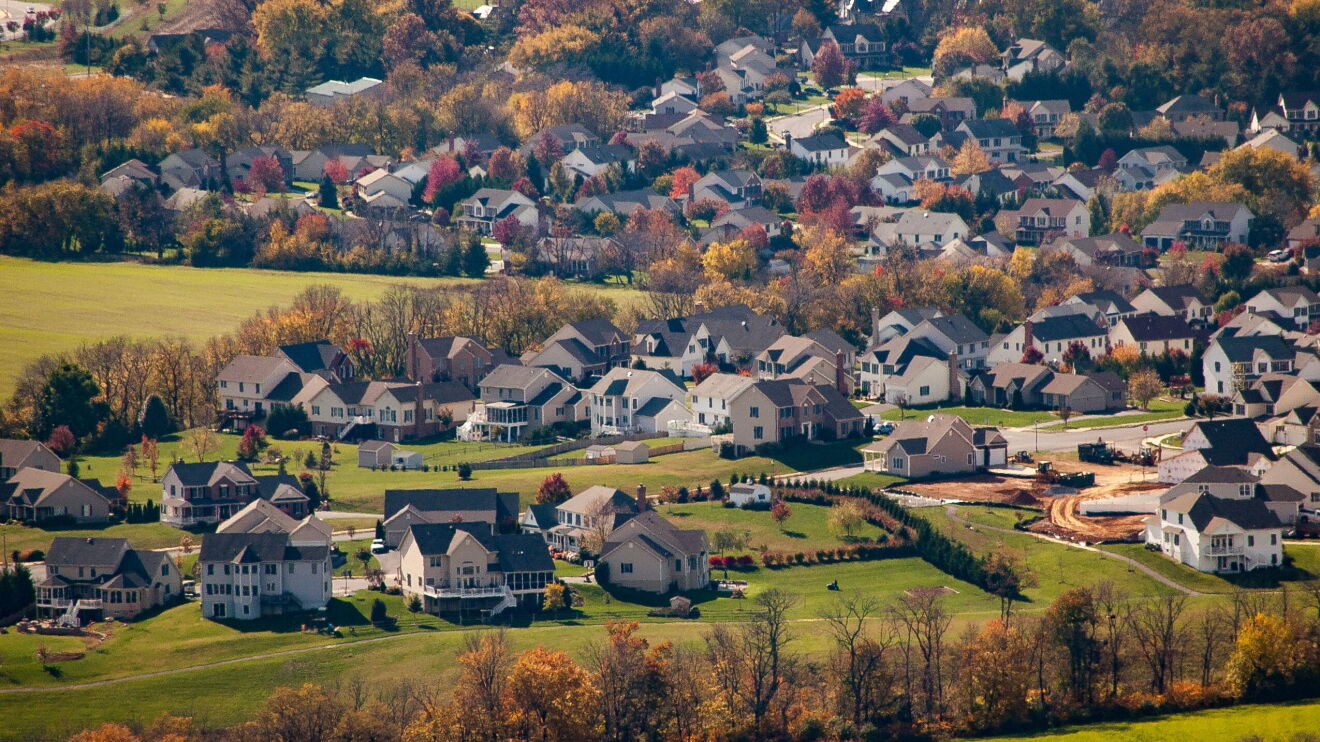
More than 30 million children across the United States depend on free breakfast and lunch during the school year. But when school lets out for the summer, that access disappears—and only about one in seven of those students has access to summer meal programs. The gap is especially severe in rural communities, where long distances, limited transportation, and lack of affordable childcare make it difficult for families to reach traditional meal distribution sites. In some rural counties, child food insecurity rates approach 50%.
Here’s how Amazon is closing that gap through its Summer Meals for Kids program.
How the program delivers meals to families
The Summer Meals for Kids program operates under the U.S. Department of Agriculture’s Summer Food Service Program, a federal initiative that funds free meals for children during the summer.
Local food bank and school district partners handle the food side of the program by identifying eligible families, sourcing nutritious shelf-stable food, packing it into boxes, and applying shipping labels at their facilities. Amazon handles the delivery by picking up shipments from partner locations and delivering them to families' doorsteps, typically within 24 to 72 hours, at no cost to the partner or the family.
Partners also receive the same logistics tools Amazon uses for its retail deliveries, including an order creation portal, package tracking for both partners and families, and dedicated onboarding support over an eight-week period to get set up before the summer begins.
“We've heard from rural families across the country that they value the convenience and nutrition that home delivery could offer in the summer,” said Courtney Smith, senior vice president of program research, innovation, and impact at No Kid Hungry. “That's why we are developing this model with Amazon and pioneering rural school districts and community partners.”
Home delivery programs are particularly valuable for single-parent families, families without a personal vehicle or affordable childcare, elderly individuals and people with disabilities, and pregnant women, according to research commissioned by Amazon. Those populations are disproportionately concentrated in rural communities, meaning these services are even more necessary.
Amazon's commitment to food security
This program builds on Amazon’s commitment to expand access to food in communities.
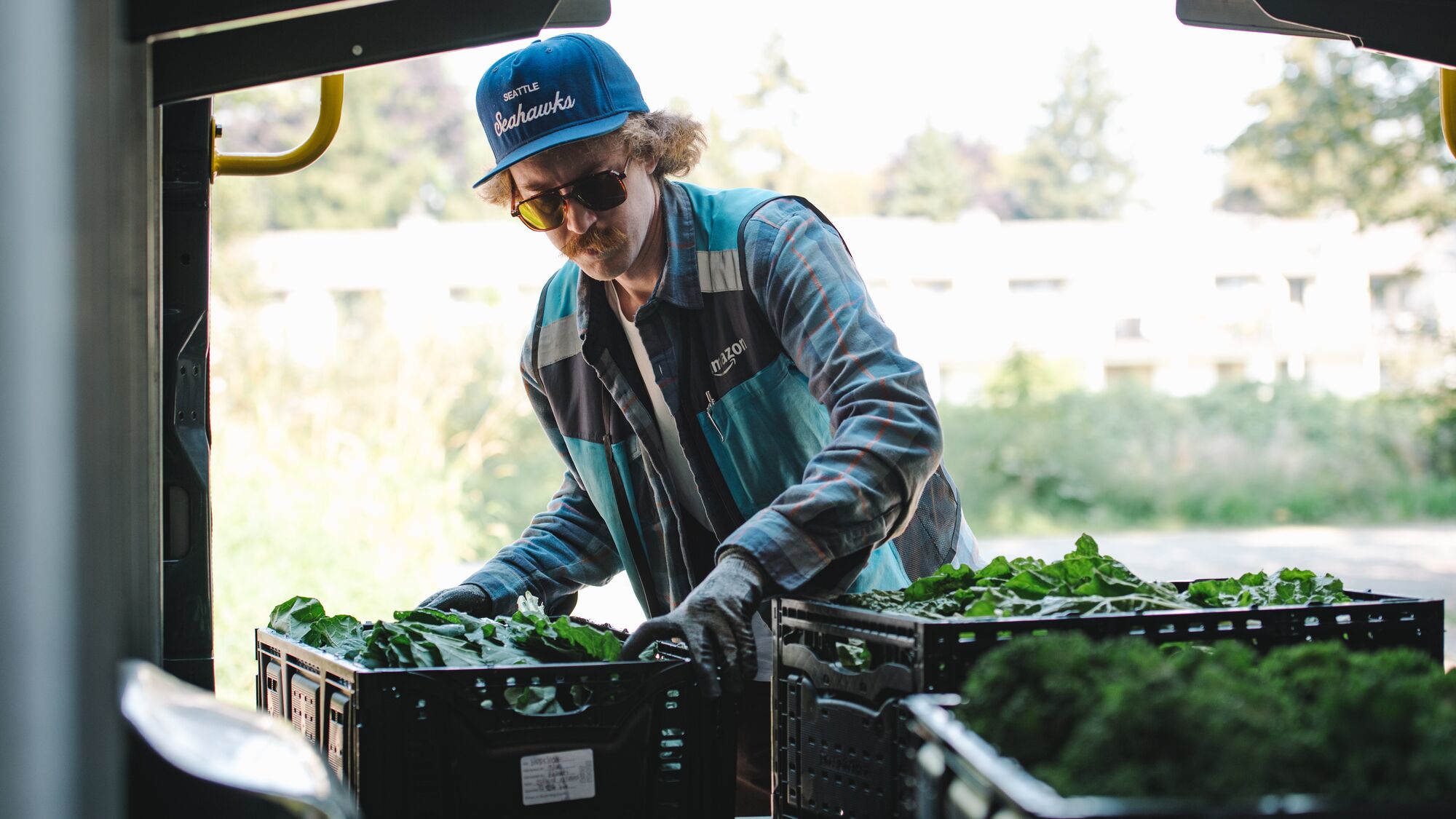
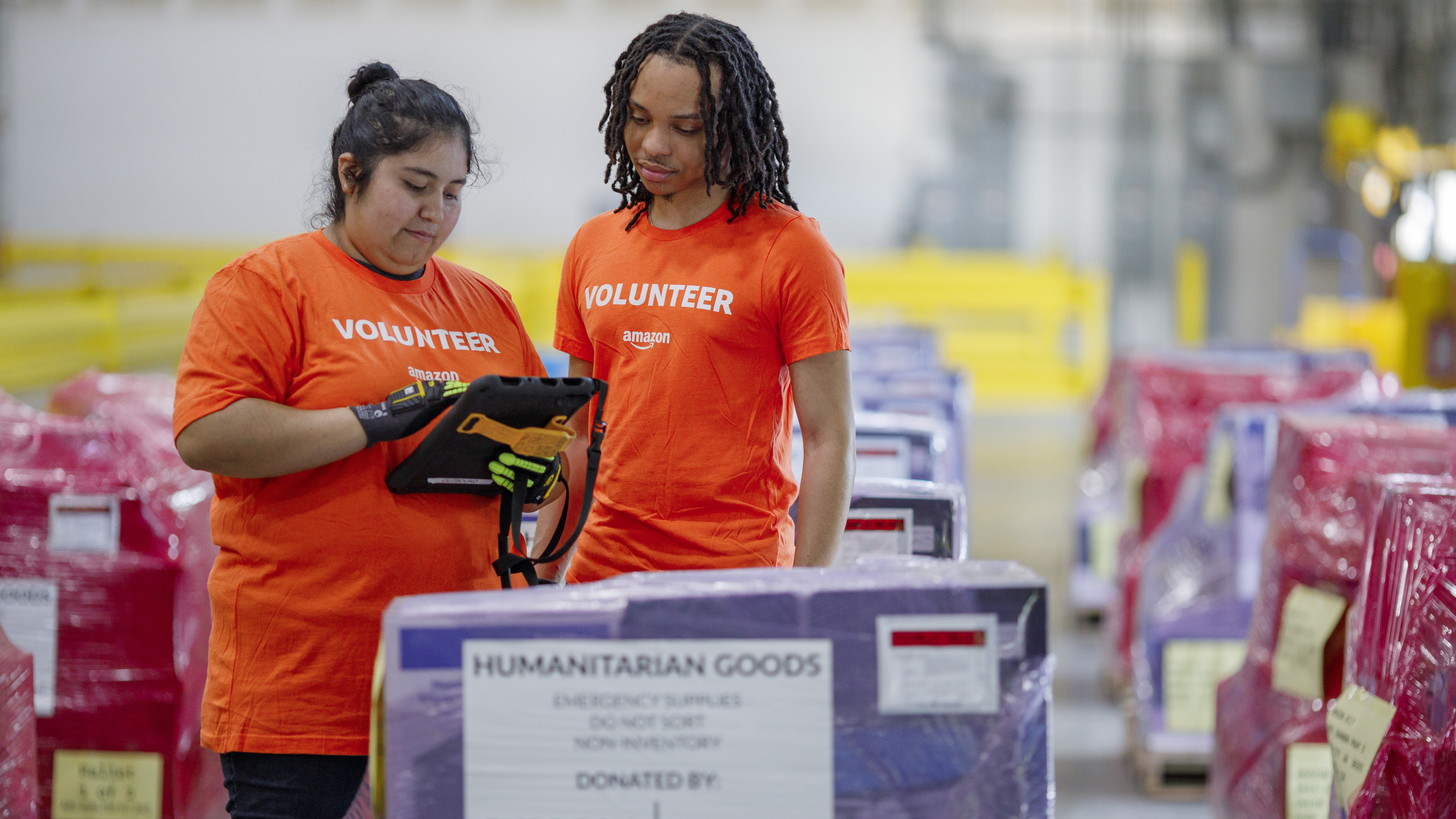
Since 2020, Amazon has delivered more than 60 million meals from food banks to families across the U.S. and the UK. In 2025, the company extended its commitment to provide free home delivery services for food bank partners through 2028. Amazon also supports food banks with bulk transportation—moving tens of thousands of pounds of food each week from suppliers to food banks and from food banks to pantries, schools, and community distribution points.
Trending news and stories
- Amazon is giving every US employee a discount on groceries
- Amazon raises minimum starting pay for full-time core operations employees to $20/hour, with average pay reaching nearly $24/hour
- Prime Big Deal Days is back October 6-7: Here’s what to expect
- Prime Big Deal Days 2026: Early deals you can shop right now