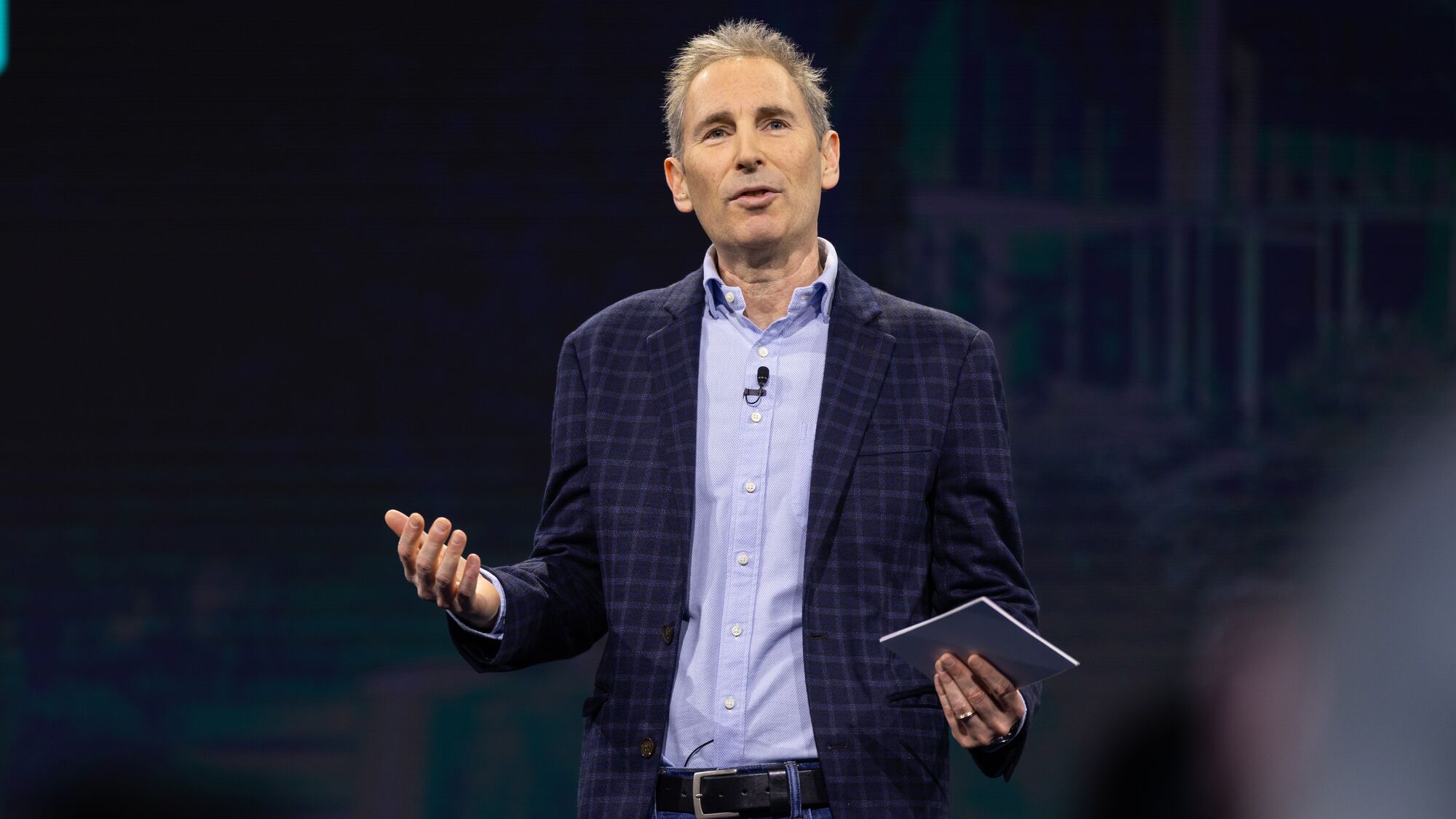

In his latest annual letter to shareholders, Amazon CEO Andy Jassy says that everything gets reinvented and that we must sometimes accept going back to the starting line to redirect the trajectory.
That willingness to start over, Jassy says in this excerpt from his annual letter, is what keeps Amazon building better experiences for customers:
When you have a product that’s working at scale, one of the hardest decisions to make is to go back to the starting line. It feels like going backwards (because it kind of is). Teams understandably argue that they don’t have time to both run the existing service and reimagine everything anew. But, there are reasons to do so, and AI is making it easier and more imperative to go back to the starting line.
For instance, in Amazon Bedrock, as often happens with services that get built rapidly and scale faster than expected, the team realized that it needed a different inference engine than had originally been built. This wasn’t a tweak; it required a completely different architecture. The team was operating a large and fast-growing service, so it wasn’t ideal. Normally, this sort of activity might take a team of 40 people about a year to carefully build. Instead, the Bedrock team spun up a separable group of six very skilled engineers who were excited about starting over and building on our agentic coding service (Kiro), and delivered this new engine (which we call “Mantle”) in 76 days. Mantle has become the backbone of our very successful Bedrock service, which has nearly doubled month-over-month this past March, and processed more tokens in Q1 2026 than all of the tokens processed in the prior years combined.
But, history shows the “straight line was a lie.” Everything gets reinvented. And, if you want to be finding that next zig, you need to be willing to go back to first principles.
Andy Jassy
Amazon CEOAlexa is another interesting example. With 600 million active endpoints across devices, cars, offices, Fire TV, and Prime Video, Alexa has scale and a very large customer base. But, when transformative technology like generative AI arrives, and you can build a much more intelligent product than you previously had, you have to pursue it—even if it’s disruptive to your team, roadmap, and architecture. The new Alexa+ is so much more capable, useful, and smart than her prior self. But, we had to completely rewire her brain, corresponding intelligence, breadth of knowledge, routing of services and APIs she accesses, and what routines and jobs she could do. The team had to make these changes while also serving the existing large customer base, and execute a roll out that didn’t break all the functionality on which so many customers have come to rely. It’s been worth it. Customers are talking to Alexa twice as much (and for longer durations across a wider breadth of topics), completing purchases on devices three times more, streaming music 25% more, and using smart home functionality 50% more. Alexa is still early in its journey to be the world’s best personal assistant. But, it wouldn’t be on its way again without going back to the start.
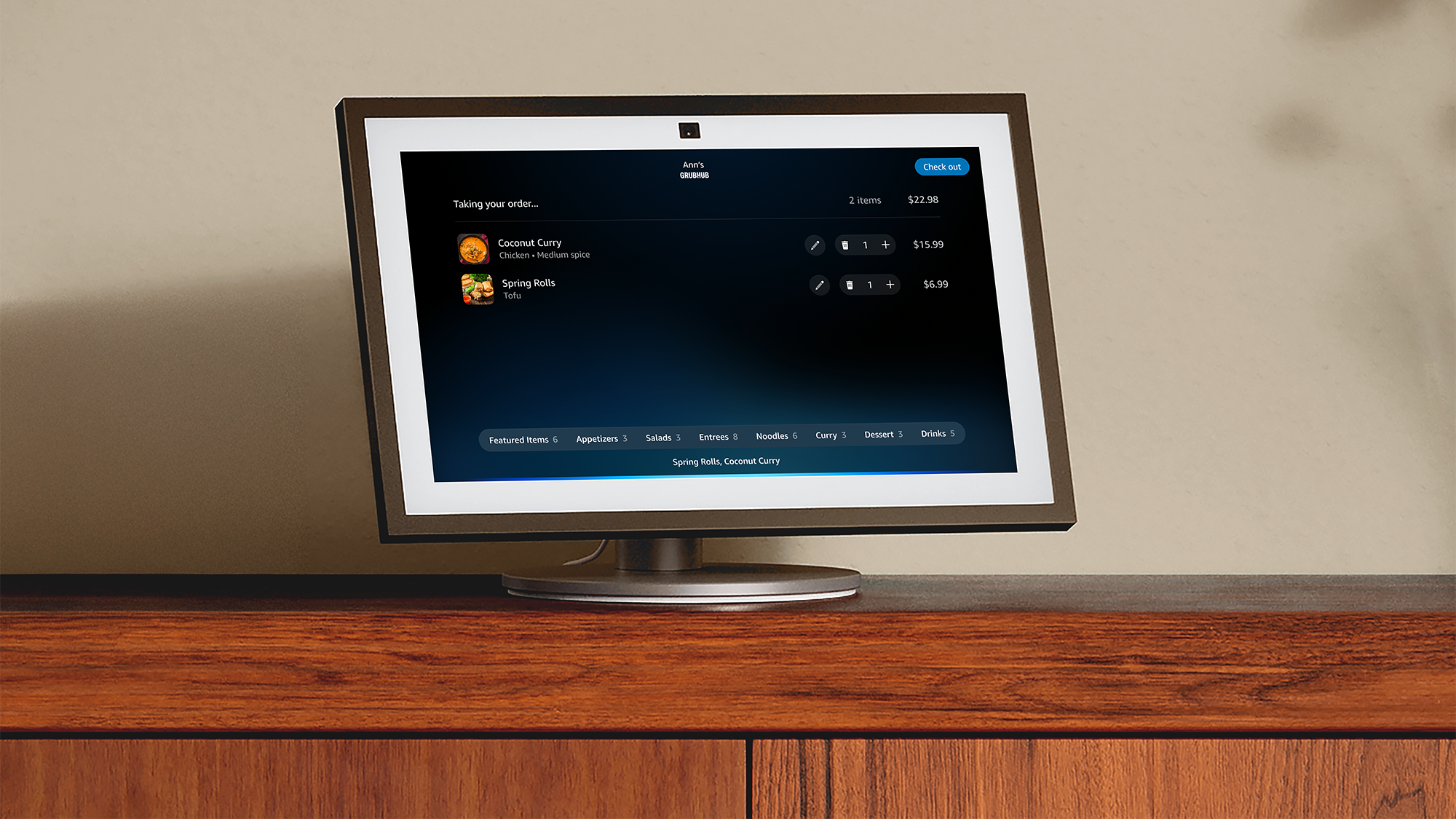
If you believe that every customer experience will be reinvented in the coming years by AI, it means even the customer experiences that feel most comfy, and are most broadly adopted, will be reimagined. Take our retail business. We believe that customers will always care deeply about massive selection, low prices, very fast delivery, ease of use, and how they’re treated. Amazon has built a lot of capabilities that position us well to meet these customer needs for years to come. However, it’s not hard to imagine with the emergence of AI, that the interface with which customers want to interact with a retailer could be substantially different over time. The temptation is to just add a little AI to the existing experience. That’s a start. But, the trick for leaders, ourselves included, is how to get organized and convicted about going back to the starting line and reimagining your experiences from a clean sheet of paper, assuming you were building with the new technology available. It’s easier to say than do. But, it’s what we’re doing in all of our consumer experiences. It may take us a while to find experiences better than what we have now, and it may take consumers time to adopt these new experiences. But, history shows the “straight line was a lie.” Everything gets reinvented. And, if you want to be finding that next zig, you need to be willing to go back to first principles.
Trending news and stories
- The race our nation can’t afford to lose, plus a new commitment from us and a fresh set of community investments
- Amazon introduces a completely redesigned Kindle family
- Amazon's Holiday Kids Gift Book is back with 600+ toys, games, and gifts for every age
- Ring introduces four new 4K cameras and a pan-tilt indoor cam