
Key takeaways
- Doug Herrington keeps a 1910 Sears catalog in his office to illustrate how every generation of retail has expanded what's possible. Conversational AI takes it furthest.
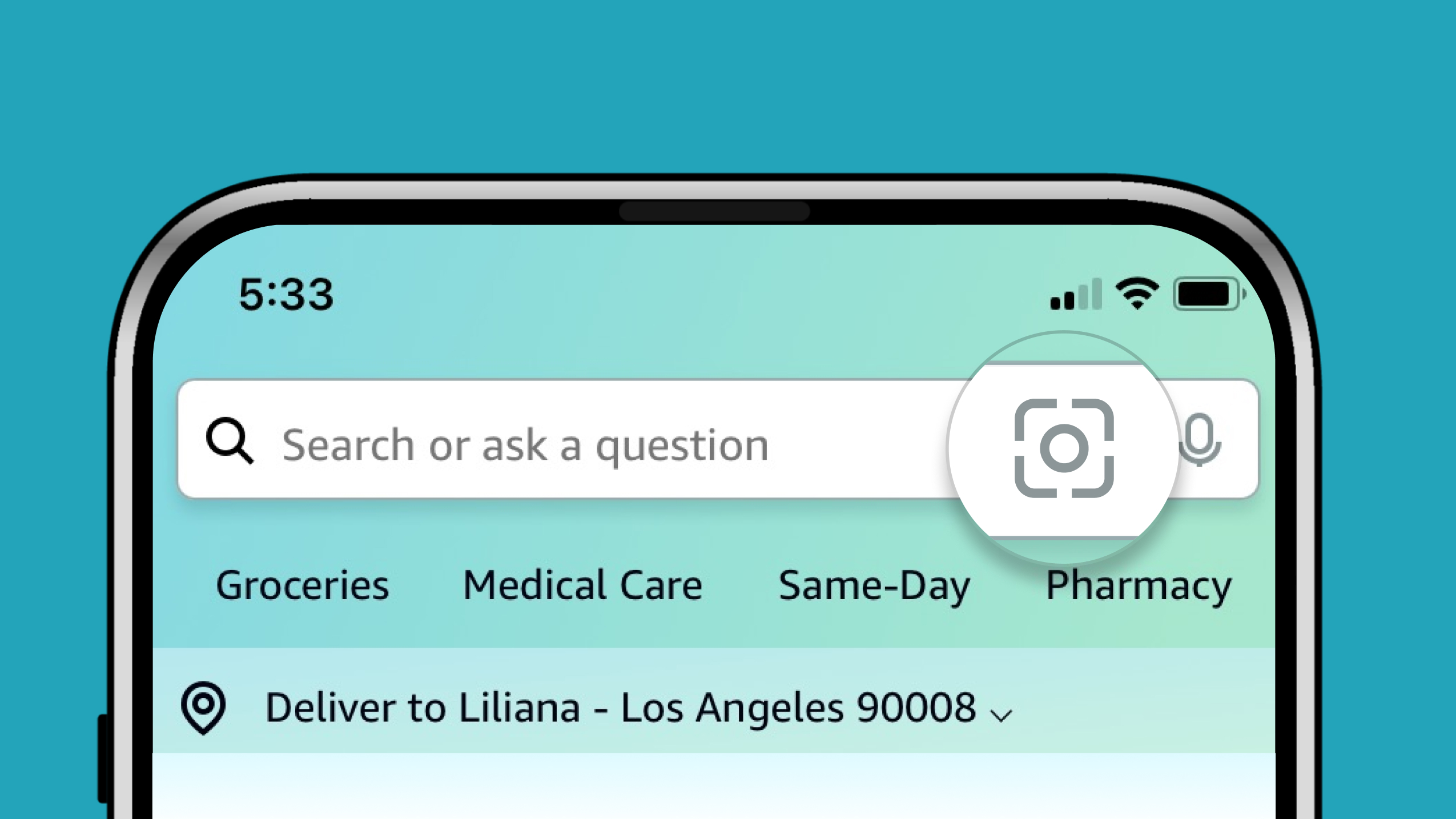
- Alexa for Shopping lets customers type their questions into the Amazon search bar—and get a personalized, helpful answer instead of just a list of products.
- The technology already answers questions, tracks orders, and builds personalized recommendations based on shopping history, photos, and conversations.
In his office, Doug Herrington keeps a Sears and Roebuck catalog from around 1910.
"It probably has 20,000 items in it," Herrington, Amazon's CEO of Worldwide Stores, said on his Learn and Be Curious with Doug Herrington podcast. "Everything from clothes to consumables to houses. They've got a title, a blurb, a number. In the back, they've got an order form, and you would write down the number and order the product, and then they'd send it to you."
In his early days at Amazon, he used to bring the catalog into meetings to make a point: Every retail format has a ceiling.
"Imagine the Sears and Roebuck guys,” he said. “They've got 20,000 items, they're doing great. They're like, okay, now we want to go sell 100,000 items or 200,000 items. But their format doesn't scale. You can't send a [massive book] and expect customers to shop through it."
Amazon's online store solved that problem, scaling to hundreds of millions of products. But even that format, Herrington argued, was reaching its limits.
"I do feel like we had found that at some point you have so much selection, and we needed some kind of new technology to make it possible for customers to find the best products for them inside of an ever-increasing selection of product," he said.
That technology, he believes, is conversational AI—now available to customers as Alexa for Shopping.
What happens when you type a question instead of a keyword
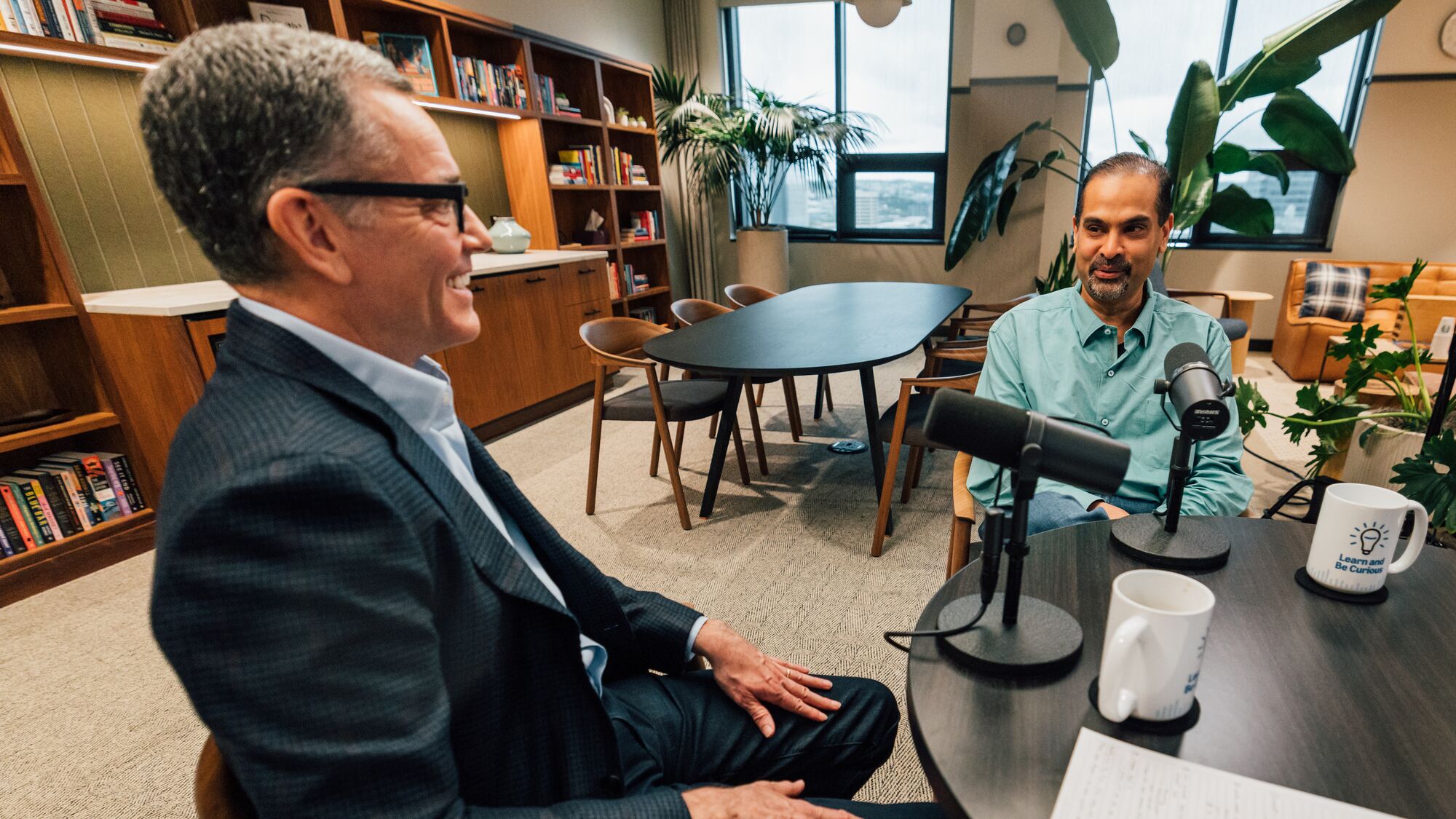
Rajiv Mehta, VP of Conversational Shopping at Amazon, joined Herrington on his podcast to discuss how Alexa for Shopping, Amazon's agentic AI shopping assistant, is changing the way customers navigate Amazon's store. Customers can now have a conversation—asking broad questions, getting personalized answers, and shopping directly within the response.
"Customers on Amazon specifically, they know how to navigate our stores. So, they know what to type and they know what not to type," Mehta said. "And I think we're about to open the aperture here as quickly as we can, on what they can type. And I think that'll unlock a lot of goodness for them."

"I really believe that we're headed into a world where more and more customers are going to type whatever they want, and we've got to do something helpful with it."
What Alexa for Shopping looks like today
That vision is already taking shape. Type "where are my AA batteries?" into the Amazon search bar, and instead of a page of battery listings, Alexa for Shopping answers the question: Here are the batteries you ordered, arriving today by 5 p.m.
For more complex questions—like the difference between a regular coffee machine and a cold brew machine—Alexa for Shopping provides an answer alongside personalized product recommendations. It might factor in that you live in a small apartment and suggest a compact option, or note that you've been browsing single-cup cold brew makers.
The technology also works with images. Herrington described taking a photo of his fridge and asking Alexa for Shopping to suggest a weekly grocery order. It inferred he cooks for two, leans toward fresh foods, and built a list of proteins, fruits, vegetables, and other items based on what it saw.
Mehta shared a similar example: His son photographed two bookshelves—about 200 books—and asked Alexa for Shopping what he should read next. It recommended sports books based on his interests and factored in that the NFL season was approaching.
What comes next
For Herrington, the Sears parallel illustrates something bigger—it's his way of explaining why conversational AI represents a fundamental change in how people shop.
"The traditional search bar and search results was going to make it very difficult to do 10x selection, but not this new world," Herrington said. "This new world where I can have a conversation and my particular needs and wants and preferences for socks, which might be different from yours—we can literally aspire to hold all the socks around the world and you can have a conversation and not feel like it's a laborious way to work through that sock pile."
Looking ahead, both Herrington and Mehta see customers engaging with Alexa for Shopping anywhere—in their kitchen, in their car, while watching TV—and on any topic, not just product searches.
"We're going to look back five years from now and, let's say the house is reordering its regular supplies for itself, and we're going to think that's totally normal," Herrington said. "Right now, it seems like science fiction. I don't know exactly how it's all going to play out, but I'm holding it all lightly for how the future could unfold."
Listen to the full episode of Learn and Be Curious with Doug Herrington, now available wherever you listen to podcasts.
Trending news and stories
- AWS becomes first cloud provider approved for NATO RESTRICTED workloads across all member nations
- Prime Big Deal Days is back October 6-7: Here’s what to expect
- Sellers can now manage sales across Amazon, eBay, Shopify, TikTok, and Walmart from Seller Central
- Amazon raises minimum starting pay for full-time core operations employees to $20/hour, with average pay reaching nearly $24/hour