Key takeaways
- Amazon commissioned an independent research firm to conduct a first-of-its-kind study examining whether data center electricity costs are subsidized by other ratepayers.
- The research found that Amazon fully pays for its own electricity costs to power its data centers.
- Amazon data centers can generate surplus revenue that utilities can use to invest in grid improvements for customers.
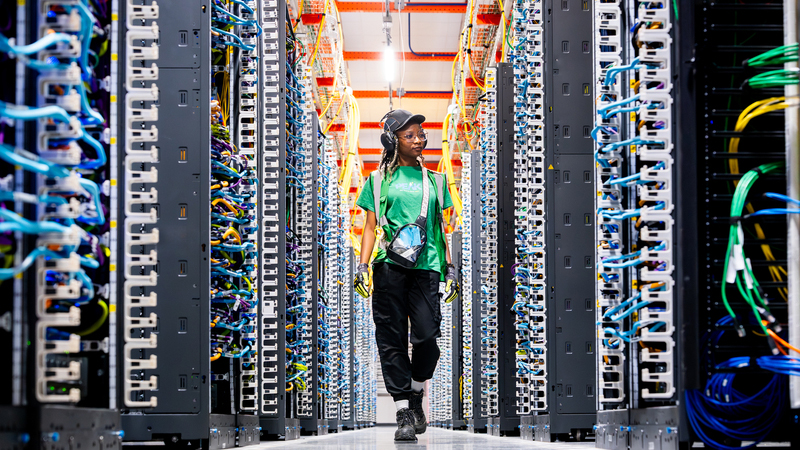
As data centers power the streaming, shopping, and AI services we rely on daily, this question has become increasingly common in community conversations.
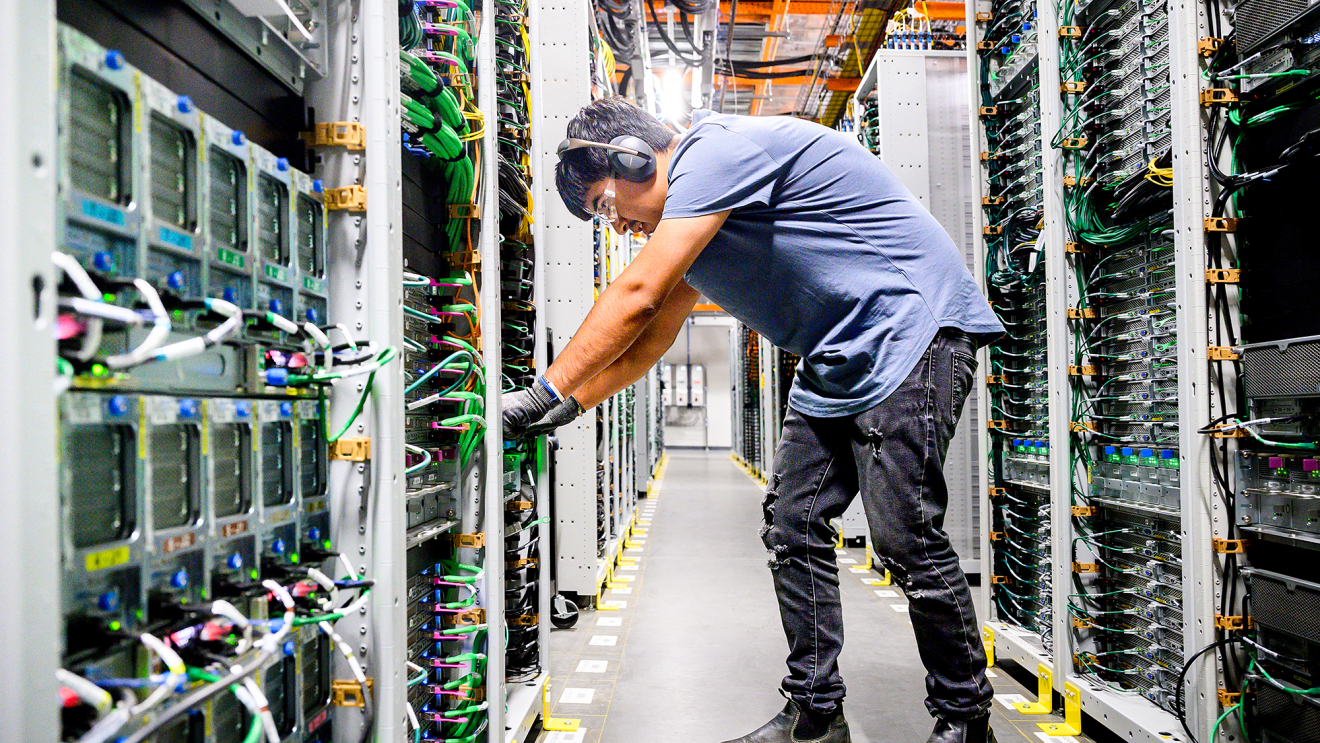
When we looked for independent research to examine this issue, we found that no comprehensive studies existed. To get a clear, data-driven answer, we commissioned research firm Energy and Environment Economics (E3) to conduct a first-of-its-kind economic impact study, while deepening our collaboration with utility partners across the country.
What drives electricity prices?
Before exploring the findings, it’s important to understand what drives electricity prices for households. Electricity prices are made up of several components, notably the cost to generate, transmit, and distribute electricity to homes and businesses. These elements together determine what customers see in their monthly statements.
A Lawrence Berkeley National Laboratory study found that U.S. electricity costs have increased by 23% from 2019 to 2024. The study also found that this increase was driven by multiple factors, with a significant portion coming from updating the posts and wires that carry and distribute electricity. In a 2026 report by Charles River Associates for the Edison Electric Institute it was found that data centers were generally not the cause of rate increases in areas where prices rose. The report also noted that rate increases have been concentrated in specific regions, while most areas across the U.S. have experienced stable rates.
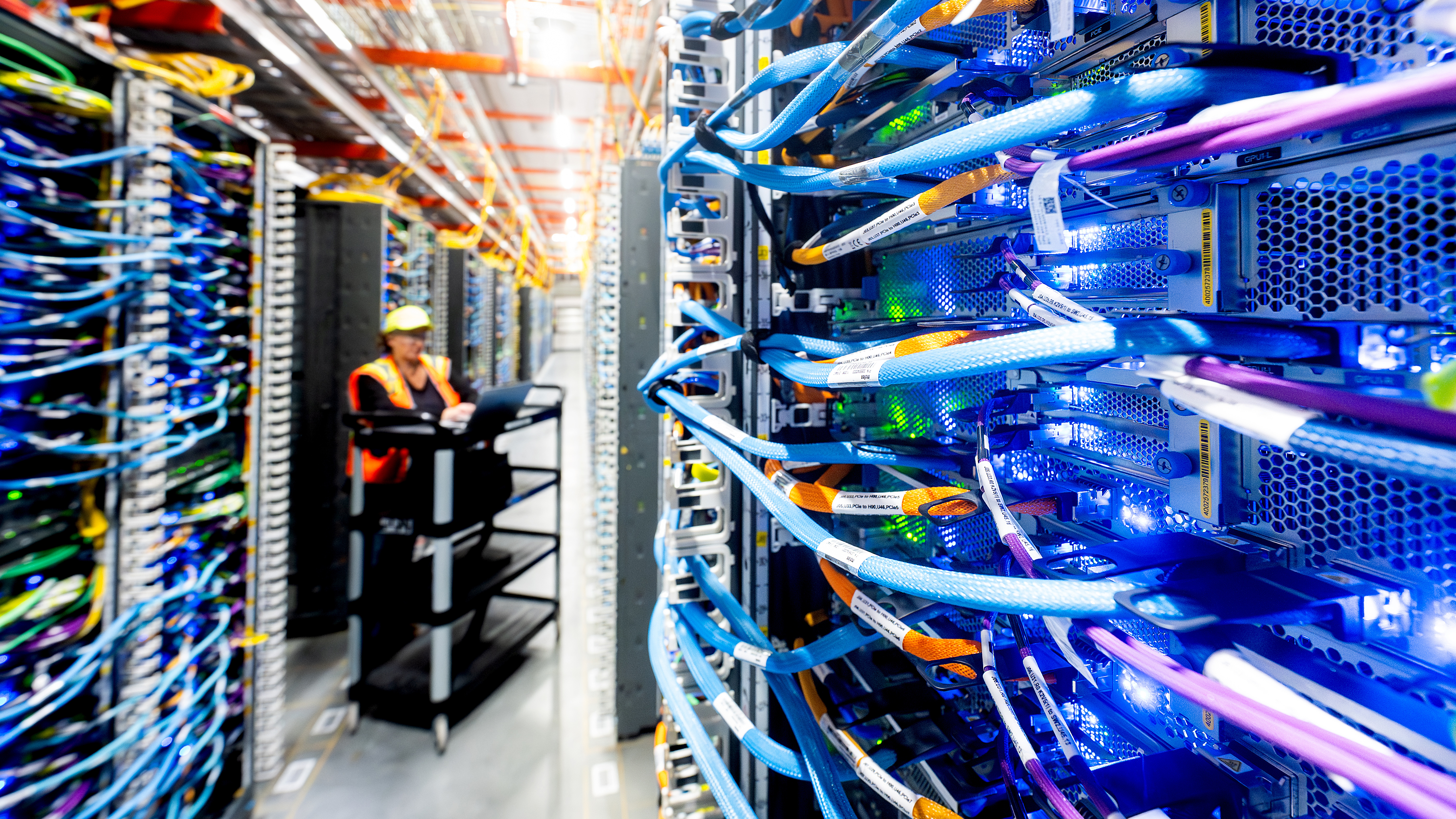
Most of America’s power grid is showing its age—70% of power lines were built over 25 years ago, many dating back to the 1960s and 1970s. Think of it like replacing old plumbing in a house—utilities need to update these systems to keep electricity flowing reliably to all customers.
In the U.S., electricity rates are based on the costs to serve and vary by customer type: residential, commercial, and large industrial users like data centers. Utilities are increasingly adopting specialized rate structures for large industrial customers to ensure they pay for their electricity and infrastructure costs and prevent these costs from being shifted to other customers.
What did the study reveal? Amazon pays its own electricity costs
What did E3's study reveal? First and foremost, Amazon pays for its own electricity costs—these expenses aren’t added to the bills of local residents or businesses. More surprisingly, our data centers in some regions actually pay more than the costs needed to power them.
This creates a financial surplus that utilities like Entergy Mississippi, Pacific Gas and Electric, and others can use to modernize the power grid, which improves reliability for the benefit of all customers. For a typical 100-megawatt (MW) Amazon data center, this additional contribution amounts to $3.4 million in 2025 and is projected to reach $6.1 million by 2030.
Regional partnerships supporting grid modernization
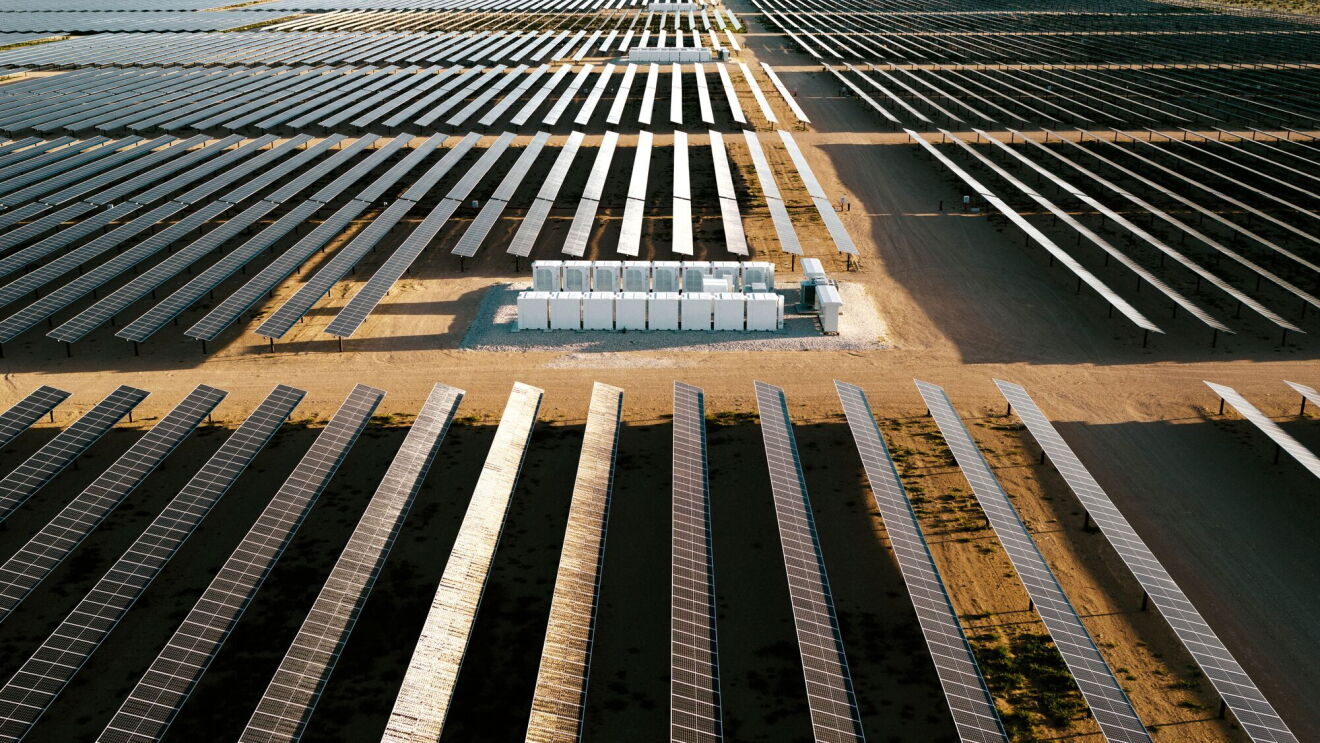
E3’s study also highlights how Amazon is taking significant steps to support grid modernization and carbon-free energy development. The research shows how Amazon’s investments often support the modernization of energy infrastructure that powers its data centers and the surrounding community, which also can help keep prices lower for other customers. For example:
- Virginia: In Northern Virginia, the region with most data centers in the world, a 2024 Dominion Energy earnings report noted their residential customers pay 10% below the national average for transmission costs, with large customers like data centers picking up 9% of these costs.
- Mississippi: Entergy is using investments from Amazon and other large customers to fund its $300 million “Superpower Mississippi” grid reliability campaign at no cost to residential customers. As part of this plan, Entergy aims to reduce the overall frequency and duration of outages for the average Mississippi customer by approximately 50%.
- California: Pacific Gas & Electric says each gigawatt of data center demand could reduce the average household electricity bill by 1% to 2%.
- Oregon: Amazon’s partnership with Umatilla Electric Cooperative uses an innovative self-supply agreement where Amazon sources its own energy, including from renewable energy sources, which prevents other customers from covering those costs.
“Through our ‘Superpower Mississippi’ initiative, we’re making a $300 million investment to transform our grid like never before,” said Haley Fisackerly, president and chief executive officer of Entergy Mississippi. “Typically, these kinds of large-scale upgrades would translate to higher electricity bills for our customers. But thanks to the influx of new customers like Amazon coming to Mississippi, we’re able to fund these critical reliability improvements without passing any added costs on to our residential and small business customers. It’s a true win-win: We’re delivering a more robust, resilient grid, while ensuring our rates remain well below the national average.”
Investing in carbon-free energy
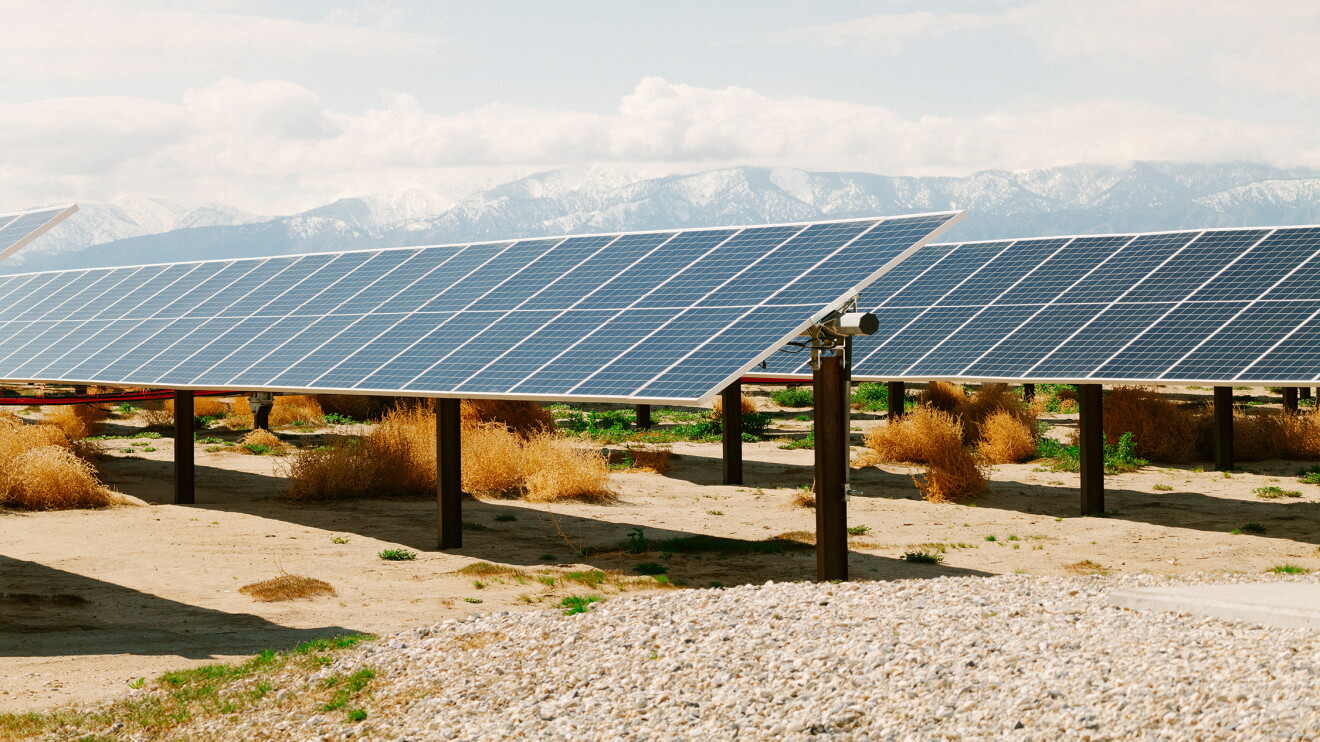
While our data centers are helping to support grid modernization and reliability improvements, we are also helping to bring new carbon-free energy to regional power grids. Amazon has invested in more than 600 solar and wind projects globally. When Amazon funds new solar panels and wind farms, that energy gets added to the power grid that serves everyone in the area, including homes, businesses, and our data centers.

Across the four states explored in the study, we’re adding approximately 4.2 GW of firm carbon-free energy to power grids, which is enough to power more than a million U.S. homes. We’re also investing billions into emerging technologies like small modular nuclear reactors to help provide reliable, carbon-free electricity for our data centers.
A collaborative approach for the future
This collaborative approach extends beyond carbon-free energy investments to every aspect of how we operate. Managing energy needs in communities requires ongoing conversations and partnerships. That’s why Amazon remains committed to working closely with our utility partners to ensure we’re paying to power our data centers, while also supporting the modernization and expansion of the grid.
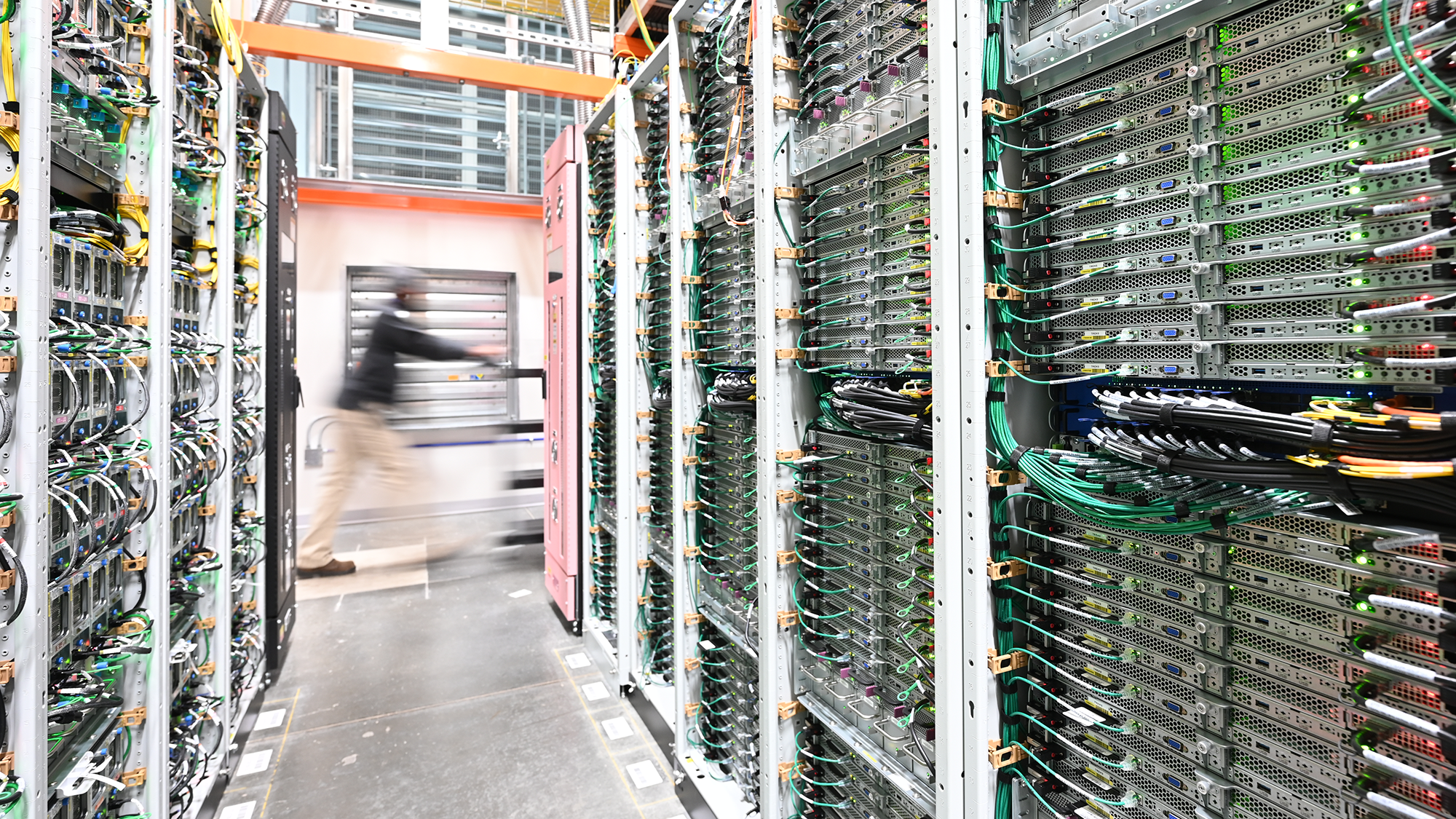
As data centers continue to grow and evolve, we’ll keep monitoring our impact and adapting our approach to support the communities where we operate. By continuing this data-driven, collaborative approach, we aim to ensure that the digital future we’re building benefits everyone—both online and on their monthly utility bills.
Trending news and stories
- Investing more than $230 million in higher pay and expanded benefits for Whole Foods Market team members
- Amazon’s 2026 Top 100+ Toys list: Something for every kid at heart
- Millions of students can now get access to a free year of Kiro from AWS
- Amazon Quick desktop app is now generally available, with a new activity feed on iOS and Android