
Key takeaways
- Amazon aims to reduce the carbon emissions for every unit of electricity it uses by 65% by 2030.
- The target covers electricity consumed by Amazon’s global operations and follows the International Energy Agency's net-zero pathway.
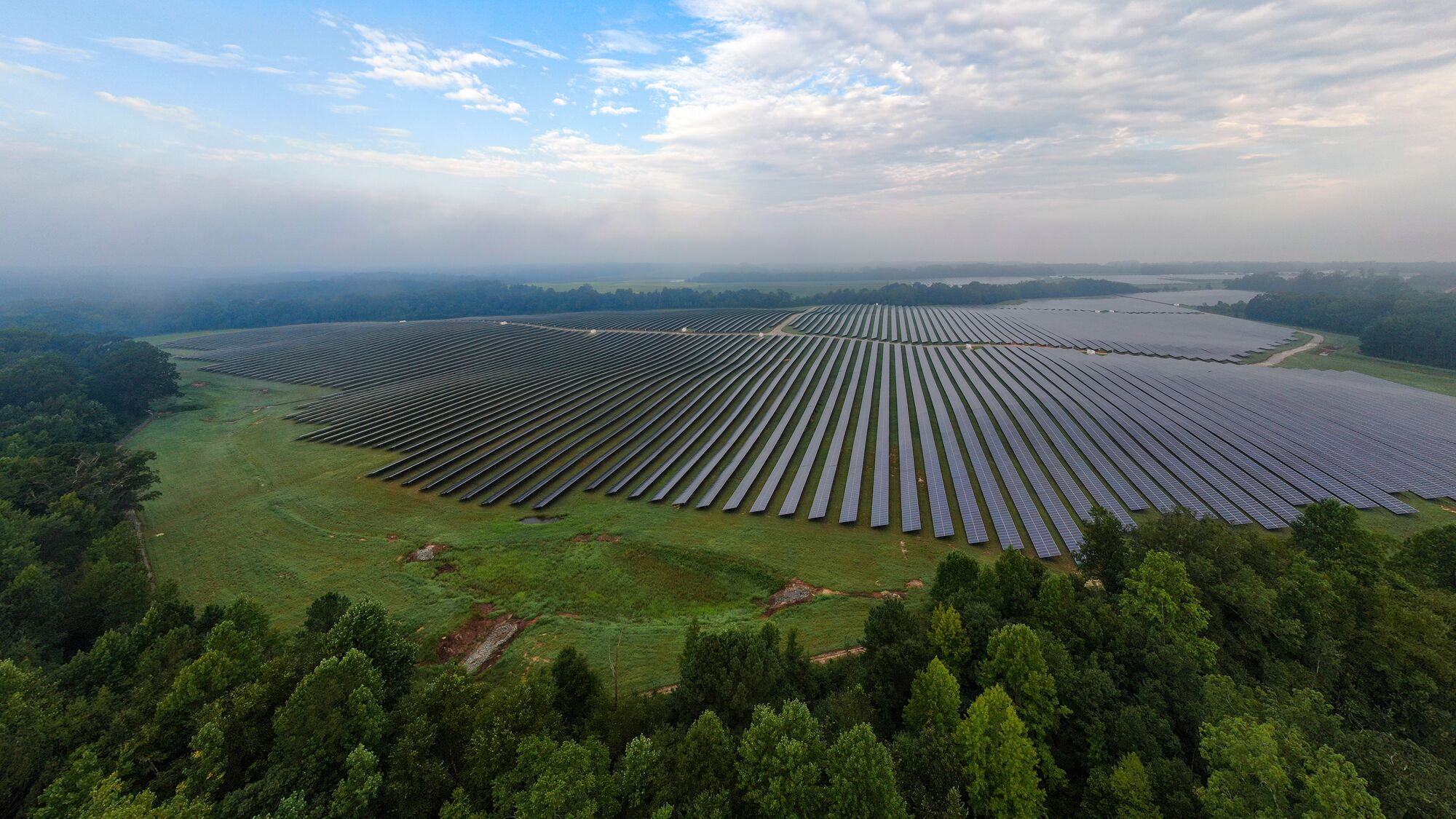
- Amazon has invested in more than 700 carbon-free energy projects globally, with capacity to power more than 12.1 million U.S. homes once completed.
When we co-founded The Climate Pledge in 2019, we committed to reaching net-zero carbon emissions by 2040, knowing that the electricity powering our business would be central to getting there. That's why we’ve built the largest corporate portfolio of carbon-free energy in the world: more than 700 projects globally and over 40 gigawatts of capacity, enough to power more than 12.1 million U.S. homes once completed. Now we’re ready to take the next step.
Today, we’re setting a new goal: By 2030, we aim to cut the carbon intensity of the electricity our global operations use by 65%, compared with 2019. We’re doing this as energy demand rises, because we believe growing our business and cutting emissions can, and must, go hand in hand. Carbon intensity is one of the clearest ways to show that.
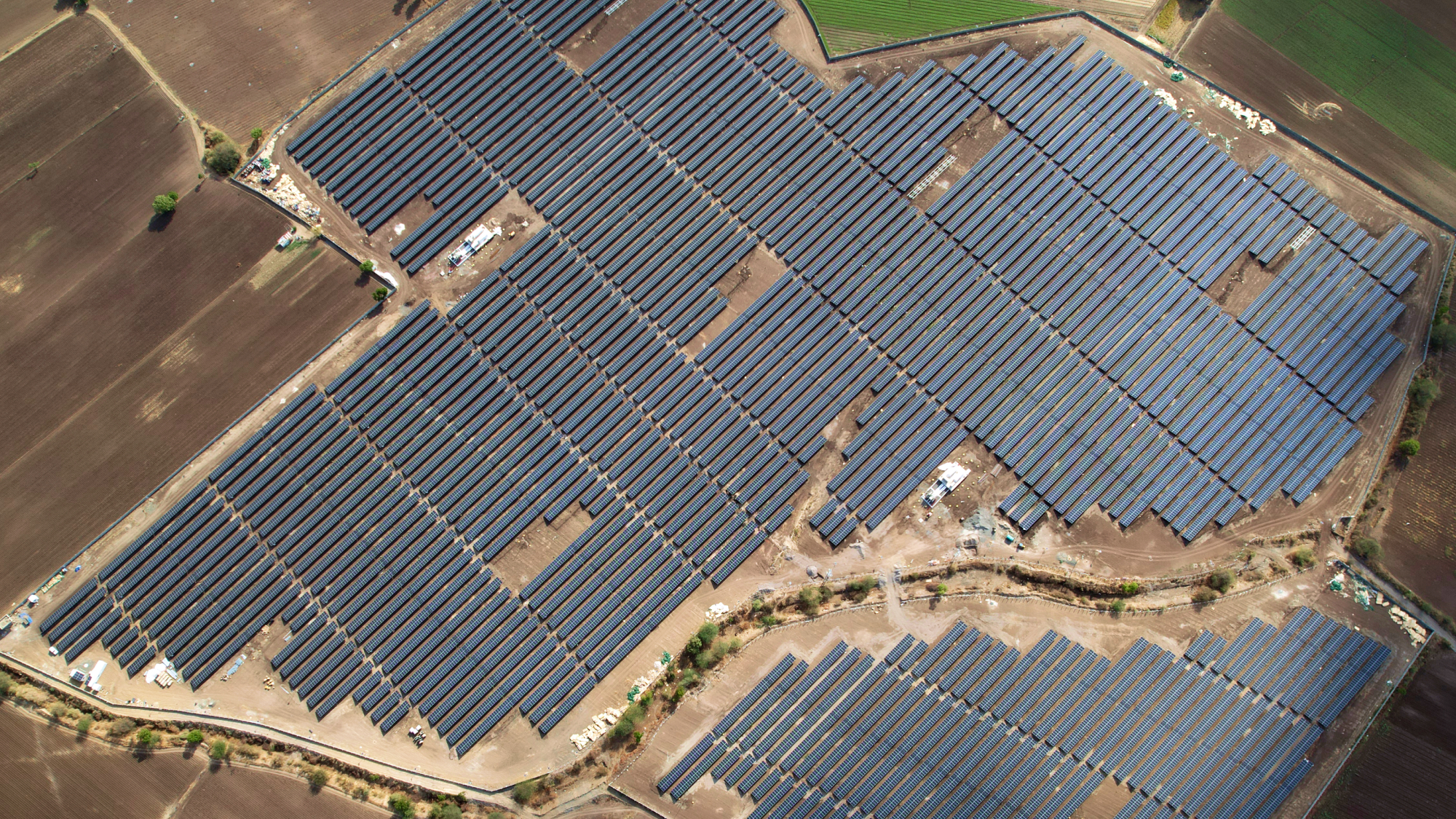
We developed this goal and methodology based on the International Energy Agency’s Net Zero by 2050 pathway and reviewed it with leading academics. We commit to updating it so it stays aligned with the latest climate science.
What is carbon intensity and why does it matter?
Carbon intensity tracks emissions per unit of electricity consumed, measured in carbon dioxide equivalent (CO₂e) per megawatt-hour (MWh). Put simply, by 2030 we aim for each unit of electricity we use to be associated with 65% fewer carbon emissions than in 2019. Because it measures progress per unit, it shows whether we’re decarbonizing our electricity supply and decoupling emissions from business growth, however much we grow.
Electricity demand is rising fast across the technology sector, driven by cloud computing and AI. That’s a challenge for the whole industry. A near-term, measurable goal keeps us focused and gives customers a clear trajectory to track our progress against.

How is Amazon investing in carbon-free energy?
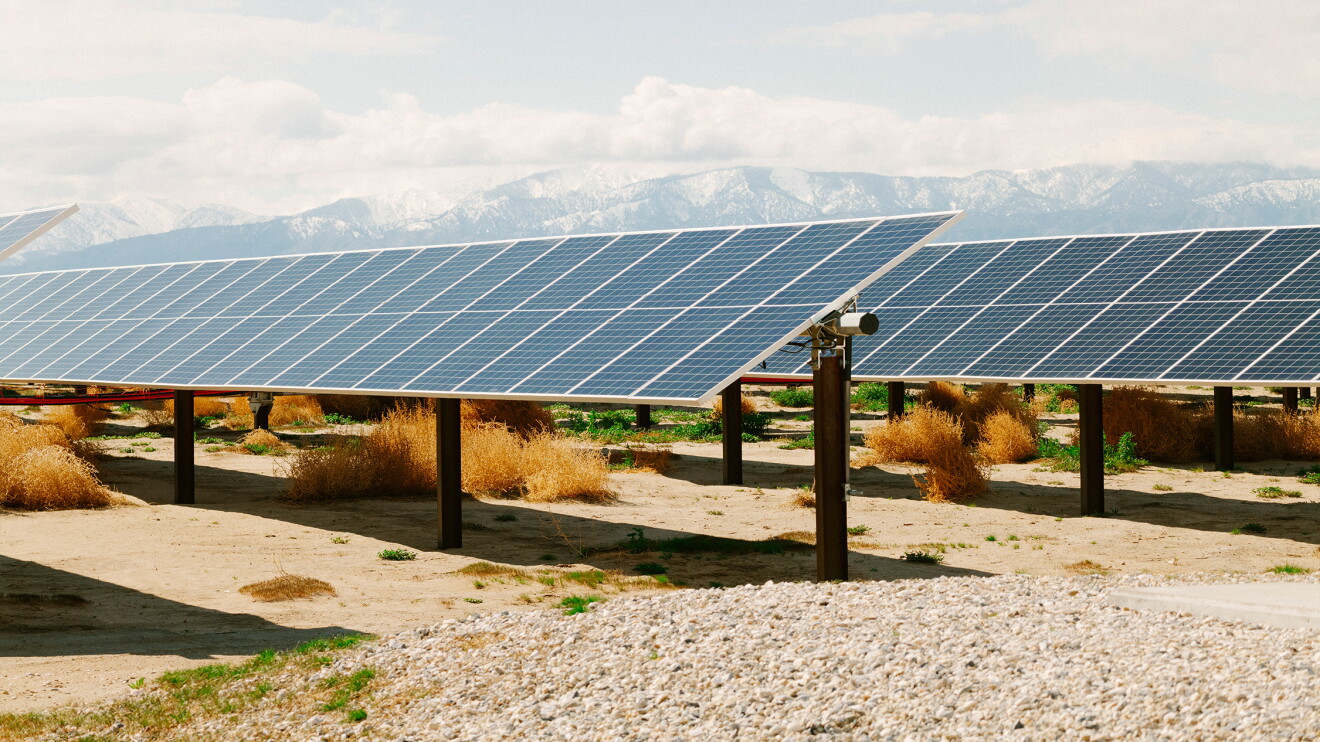
Every new carbon-free energy project we bring online can help displace fossil-fuel generation on the grid, lowering the carbon intensity of the electricity we consume. Since 2019, BloombergNEF has consistently recognized us as one of the world’s largest corporate purchasers of carbon-free energy.
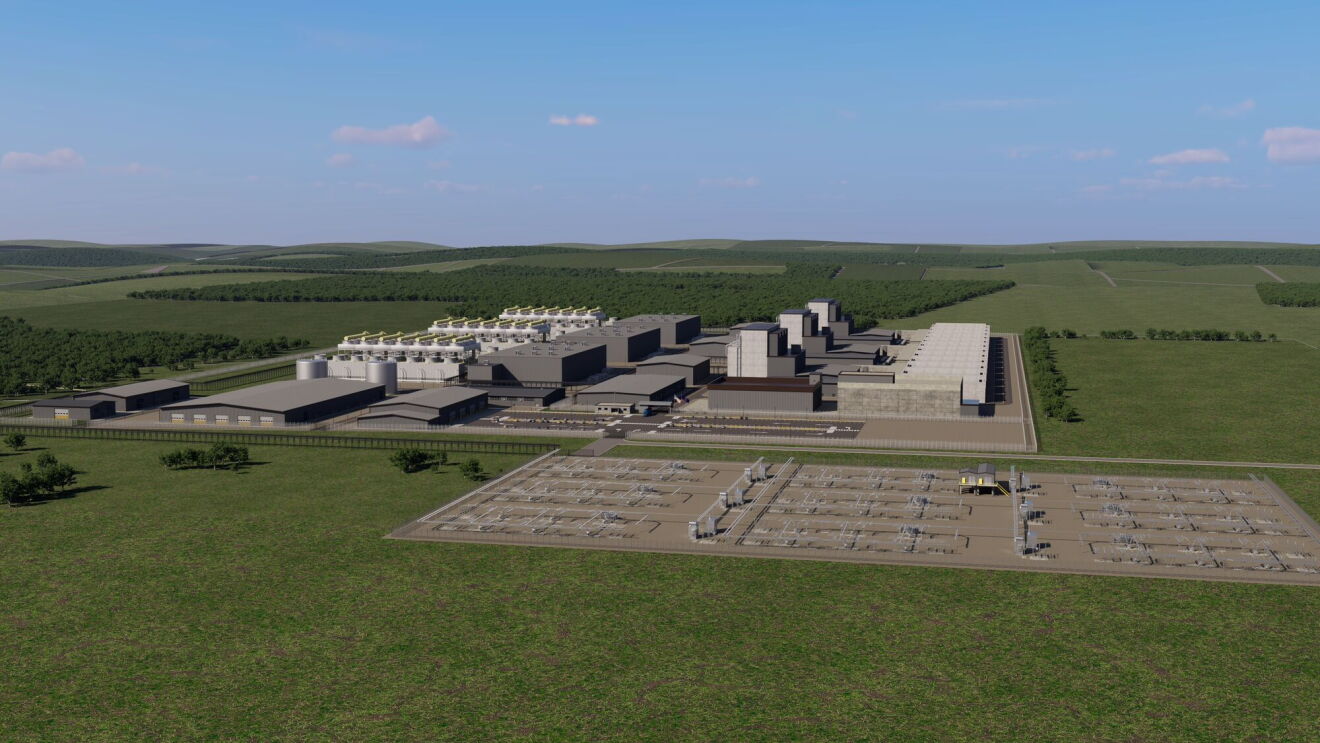
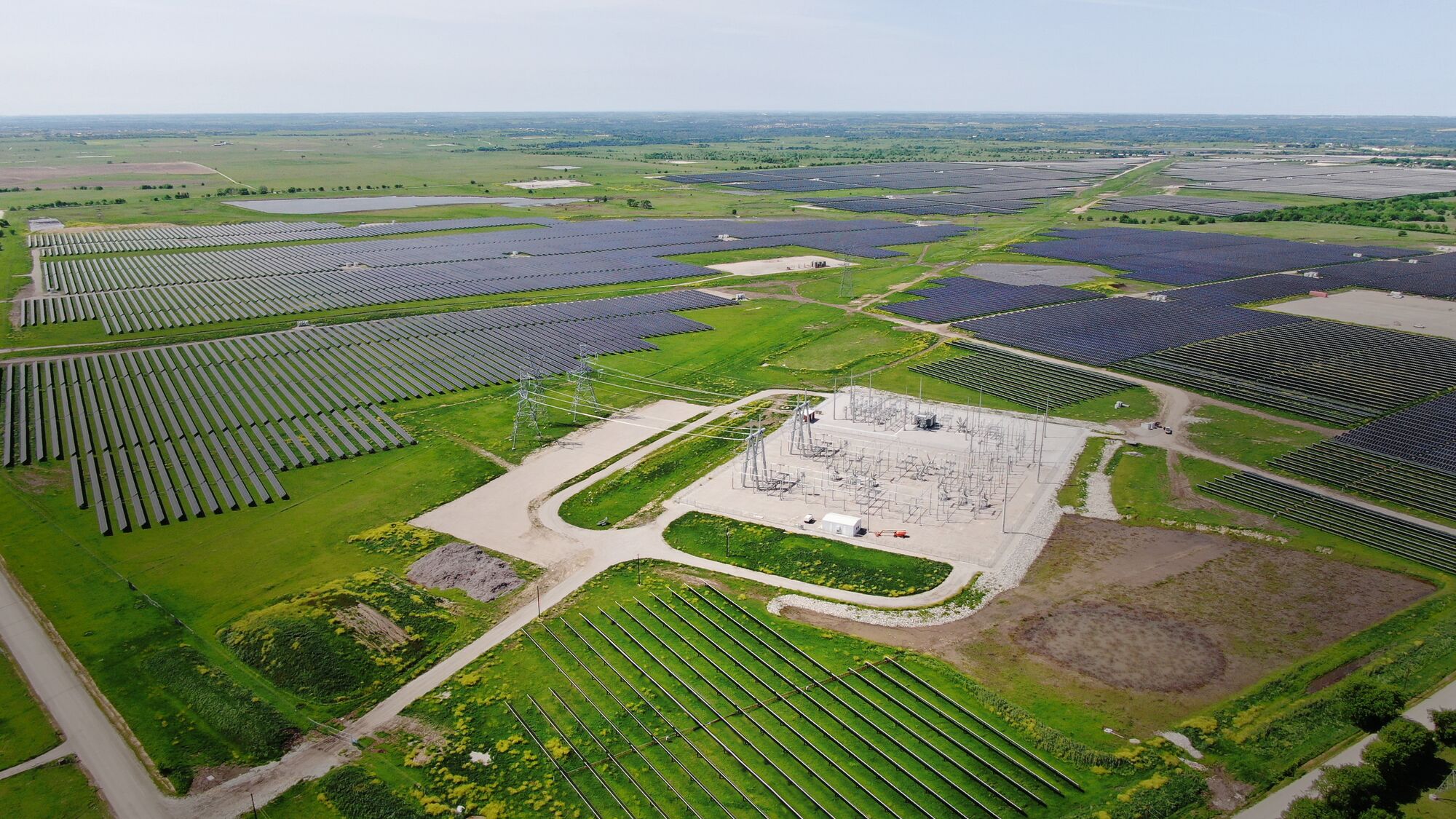
Our strategy spans power purchase agreements, utility-scale solar and wind farms, on-site generation, and advanced nuclear and geothermal energy. Together with X-energy, we aim to bring more than 5 gigawatts of new advanced nuclear power online across the U.S. by 2039, the largest commercial deployment target for small modular reactors to date. We focus in particular on countries where new carbon-free energy can make the biggest impact in decarbonizing the grid. Our announcement this week that we plan to invest $7 billion in renewable energy in India by 2030 further supports this goal.
What comes next?
Meeting this goal will mean scaling the carbon-free energy we already invest in and working alongside utilities, grid operators and policymakers to bring more carbon-free power online where we operate. All the while, we’ll seek to ensure these projects benefit local communities.
Through our Built Together initiative in the U.S., we invest in education, job training, energy affordability and water preservation, and fund priorities that communities choose for themselves. This work is guided by the Amazon Data Center Commitment.
We’ll report our progress every year in our Sustainability Report.
We thank Dr. Joe DeCarolis, Department Head and Professor of Engineering and Public Policy at Carnegie Mellon University; Dr. Costa Samaras, Director of the Wilton E. Scott Institute for Energy Innovation at Carnegie Mellon University; Dr. Jeremy Gregory, Executive Director of the MIT Climate and Sustainability Consortium; and Dr. Wenjuan Liu, Climate Intelligence Manager at RMI, for reviewing a draft of this methodology and sharing their feedback, which we considered in preparing this document.
Trending news and stories