
Key takeaways
- AWS Distinguished Engineer Paul Vixie started the first anti-spam company and helped scale the Domain Name System, which makes it possible to type web addresses as names instead of numbers.
- Vixie created the first neutral commercial internet exchange in the U.S.—infrastructure that enabled early internet commerce and connectivity.
- Vixie is now helping to advance security at AWS by identifying ways to protect against AI-enabled threats.
You probably didn’t think much of it, but when you checked your email this morning, your inbox wasn’t full of spam. When you checked last night’s scores, you typed in the name of your favorite sports website, not an unwieldy string of numbers. Both email filters and domain names are essential conveniences of modern life. And both are in use at global scale thanks to the work of a guy named Paul Vixie.
These days, Vixie is an Amazon Web Services (AWS) Distinguished Engineer, a select crew of executive-level mavericks with the autonomy to solve complex, ambiguous problems that have stumped everyone else. Or as Vixie puts it, experts whose job it is “to find trouble, and get into it.”
From his days as a 16-year-old computer programmer to his Internet Hall of Fame career, Vixie has been motivated to find that kind of trouble. So, it’s no surprise that in 2026, he has turned his attention and abilities to the rise of agentic AI, thinking not just about how to secure AI but how to use the tech itself to make systems more secure.
“Non-technical people are now talking about AI over dinner. Everyone has an opinion, everyone’s used an AI model on their phone or their browser, and so it won't just be enterprises and families who employ it to make their lives better,” Vixie says. “The ways in which AI can be used to cause harm are probably my biggest bugaboo right now. If I were a bad guy, what would I be leveraging this for?”

But even though he’s thinking about all the nefarious ways AI can be used, he takes a broader perspective. “The challenge is not simply that it's a new thing we must figure out how to secure. We get the benefit of figuring out how we're going to use AI to secure other things, to identify and fix vulnerabilities.”
As he sets out on the latest stage of his career, Vixie shared five lessons about life and leadership he’s learned along the way.
Frustration is fuel (if you channel it)
A day in the life of Paul Vixie begins as follows: “Every morning I wake up with a high likelihood of being angry about something. I guess the difference between me and most other people is that I go and do something about it.”
Right now, he’s getting worked up about how bad actors might leverage AI. But in the beginning it was frustration at flunking high school (because he was too busy programming to do his homework) that led him to search classified ads for jobs that didn't require a college degree—or proof of age.
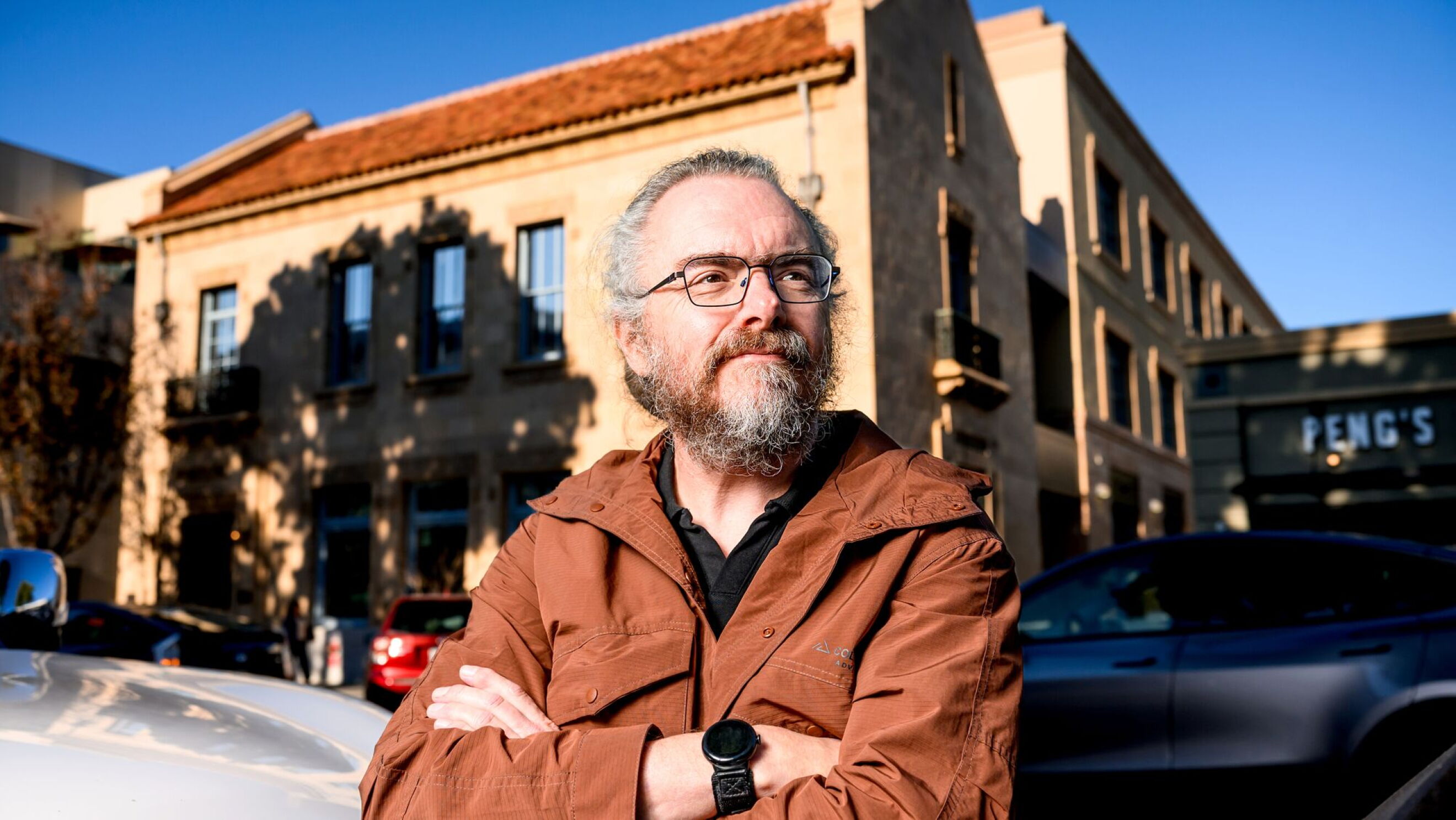
 Paul Vixie, AWS VP and Distinguished Engineer
That move launched a series of unorthodox career decisions. When, in the 1990s, he woke up angry about the amount of spam email he was receiving, he started the first anti-spam company. “We invented the first anti-spam technology, and it is still in universal use.”
Sometimes the best qualification is being the one who cares enough
Vixie didn't invent the Domain Name System (DNS); he inherited the project from someone else. But he was the one person who came across the idea, saw what had to be done to make it commercially viable, and cared enough to do it. DNS is essentially the internet's address book, a system that translates web addresses like Amazon.com into sequences of numbers that computers understand. Without it, you'd need to memorize numerical strings like 205.251.242.103 just to check your email.

When, in his job as a programmer in the mid-1980s, Vixie encountered the main implementation of DNS (known as the Berkeley Internet Name Domain, or BIND), it had been abandoned. "It was just sitting there, so I grabbed the code and started fixing it." After mentioning what he was working on to someone, they asked for a copy. He obliged and began regularly publishing copies so anyone could use it. “I soon received a long list of feature requests, bug reports, and all kinds of other things,” he said.
Build for scale you can’t yet imagine
When Vixie started his career, a computer that could be connected to the internet cost millions of dollars. There were so few internet users, you could keep everyone’s email address on one simple list. But he and others could see that connectivity would become a commodity, and that the list would get a billion times larger. So he went to work on ensuring Domain Name System tech could scale.
The superpower of DNS was delegating naming authority so that, for example, Amazon could add new web destinations ending in Amazon.com without outside permission. “This is one of the main reasons DNS could scale, versus listing everything on the internet that you could want to connect to in a single file,” he said.
And while Vixie understood the potential of DNS, he didn't necessarily foresee its importance in the era of agentic AI. Today, every time a model queries an external API, retrieves training data, or serves responses to users, DNS is behind the scenes, translating those requests into the numerical addresses that make communication possible.
Be a “relevance junkie”
Being online in the early 1990s wasn't an immediate passport to speaking to everyone else on the internet. The reality was more limited. You had to pay telecommunications companies exorbitant fees to connect to people on separate networks. For a startup trying to build "Earth's biggest bookstore," those costs were potentially business-killing.
As a 20-something programmer for a company that sold commercial data center equipment, Vixie was certain the internet was the future of technology, but many of his colleagues dismissed it as a playground for West Coast hippies. So he started a side project: connecting networks to each other in his employer's data center. No contracts, no permissions, just a gut feeling about what needed to exist.
“I can get a pretty good feedback loop of building things that help other people to build things,” Vixie said. “I’m a relevance junkie.”
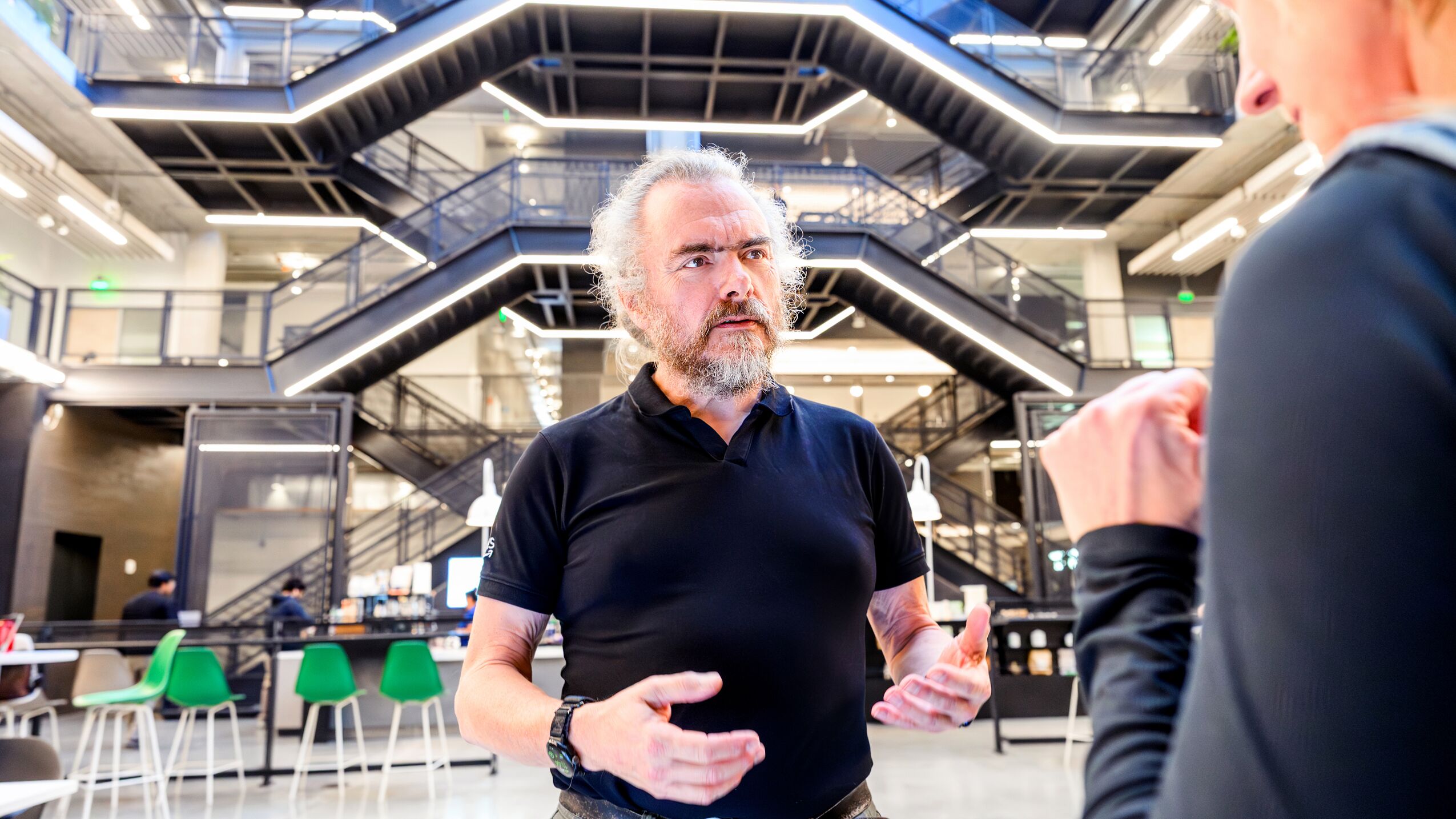 Vixie at Amazon's Palo Alto office
Having effectively created the United States’ first neutral and commercial internet exchange, which was critical in helping fledgling online companies like Yahoo, Amazon, and countless others get off the ground, he left his job. Three months later, his former boss called to say that they’d uncovered the covert enterprise and wanted him back as a consultant to turn it into a legitimate venture.
“I knew the internet would lead to people building businesses in new ways,” said Vixie. “I didn't know what those businesses would be, but I believed they should have the freedom to do it.”
Stay curious about what needs doing today
About a year into his Distinguished Engineer role, AWS asked Vixie to lead the Office of the Chief Information Security Officer (OCISO) and serve as Deputy CISO. He agreed immediately. “It's very difficult to take a startup founder like me and get them to speak the words, 'Yeah, that's not what I came here for,' because whatever needs doing is what you came here for,” he said.
“My career is from the ‘Journal of Irreproducible Results.’ I did what I did because I was standing nearby when things needed doing. The things other people do will be specific to the era they're working in, but the irreproducibility is, I think, essential.”
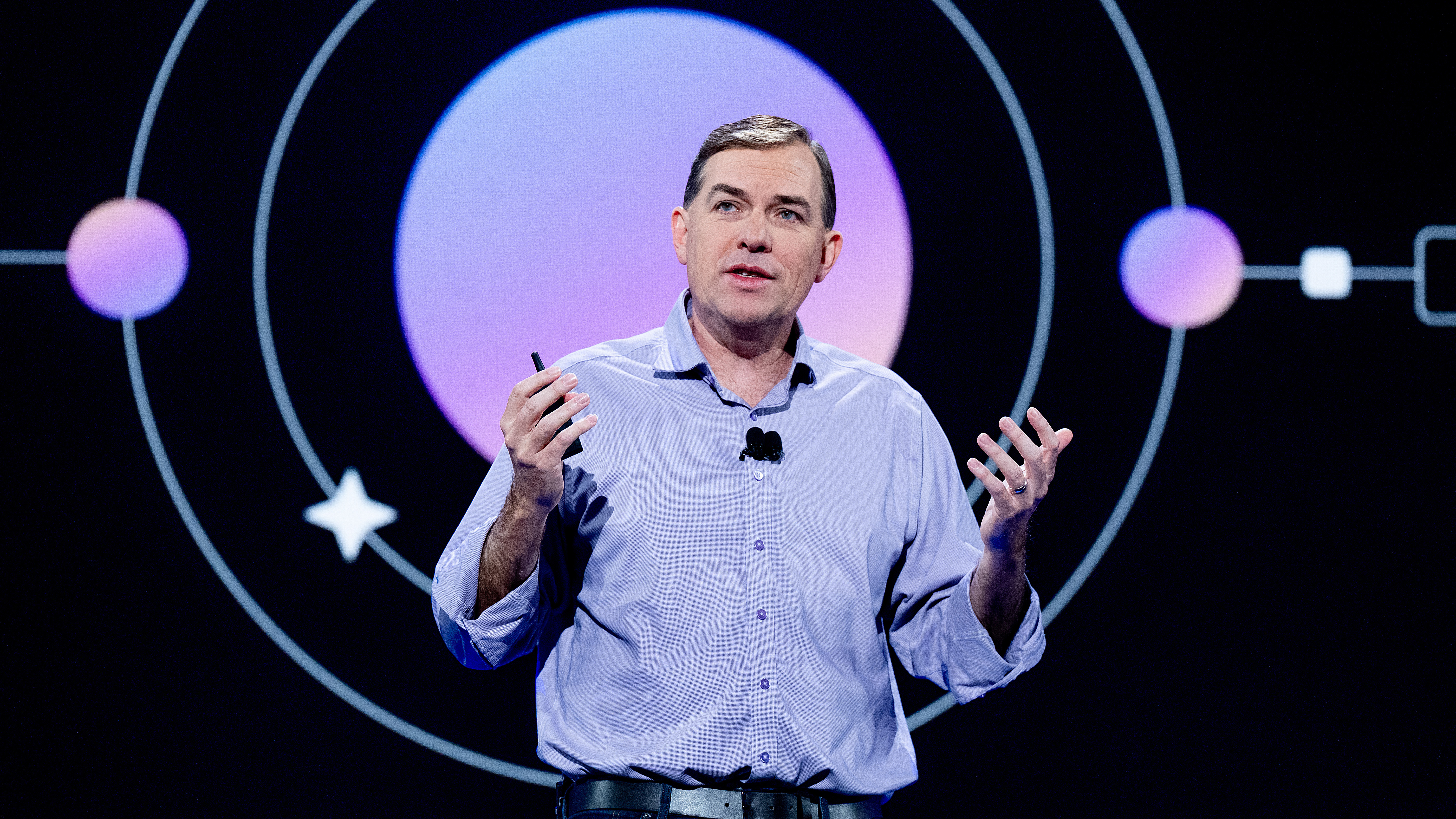
His advice: don't put yourself on rails toward a predetermined destination. “You’ve got to keep your options open and follow your passion. When you do that, you’ll create opportunities through the stream of your experiences, and they will end up being the right opportunities for you.”
Vixie’s latest passion? Program correctness: using AI and modern computing to help ensure software behaves as intended. “It’s about catching potential issues early in the development process,” he explained.
True to form, he's found new trouble to get into.
Trending news and stories
- Investing more than $230 million in higher pay and expanded benefits for Whole Foods Market team members
- Millions of students can now get access to a free year of Kiro from AWS
- Amazon Leo adds 6 new Arianespace launches, expanding its launch partnership
- Amazon’s 2026 Top 100+ Toys list: Something for every kid at heart