
Key Takeaways
- Amazon and IIT Roorkee are developing paper mailers from crop residues like wheat, straw, and sugarcane residue.
- The project converts agricultural waste—often burned—into packaging, reducing plastic and cutting air pollution.
- Following 15 months of research, industrial trials and commercial production are expected to begin by late next year.
India generates 500 million tonnes of agricultural waste every year—but a collaboration between Amazon and the Indian Institute of Technology (IIT) Roorkee, a premier technical university, is turning it into more sustainable packaging.
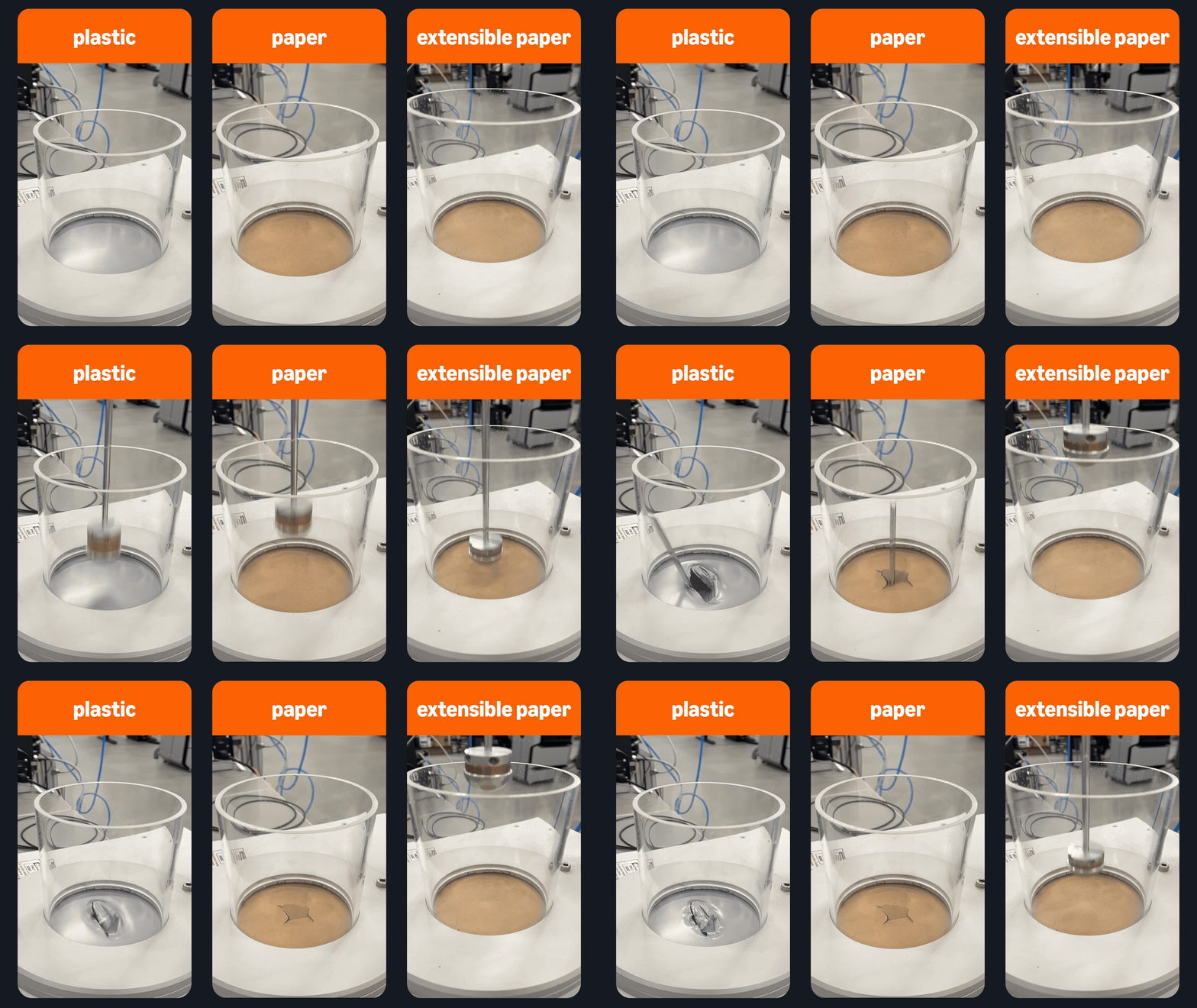
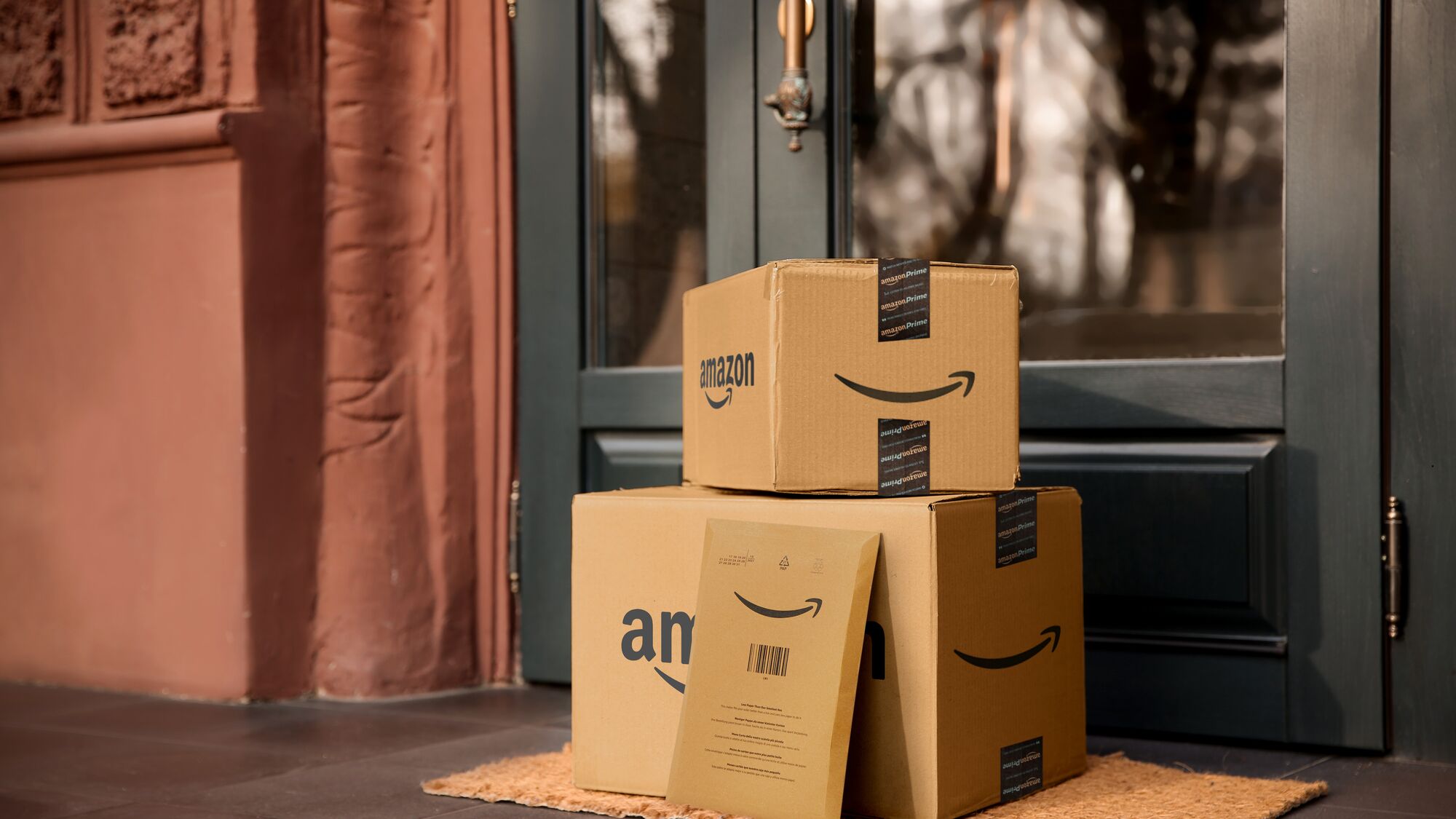
By developing packaging material from waste, the research project aims to reduce pressure on virgin wood pulp, a resource made directly from freshly cut-down trees. The 15-month research project will convert crop waste like wheat, straw, and sugarcane residue into high quality paper mailers. These lightweight yet strong packaging materials offer a recyclable and home-compostable alternative to traditional wood pulp paper or plastic bags.

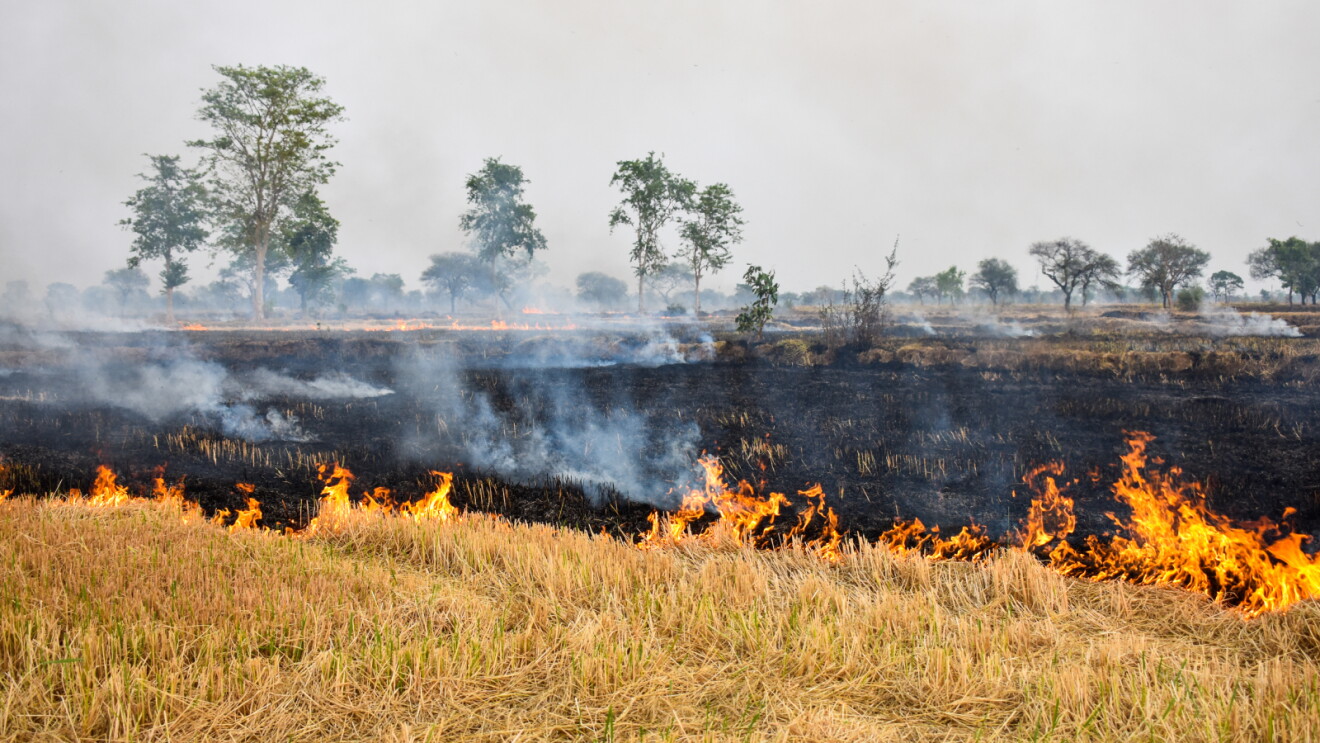
This innovative approach to packaging also helps reduce stubble burning, the highly-polluting practice of setting fire to leftover straw and crop residue remaining in fields after harvest. In addition to environmental benefits, a reduced dependency on imported virgin wood pulp will also create additional income for farmers by providing a market for agricultural residues.
How researchers are turning waste into packaging
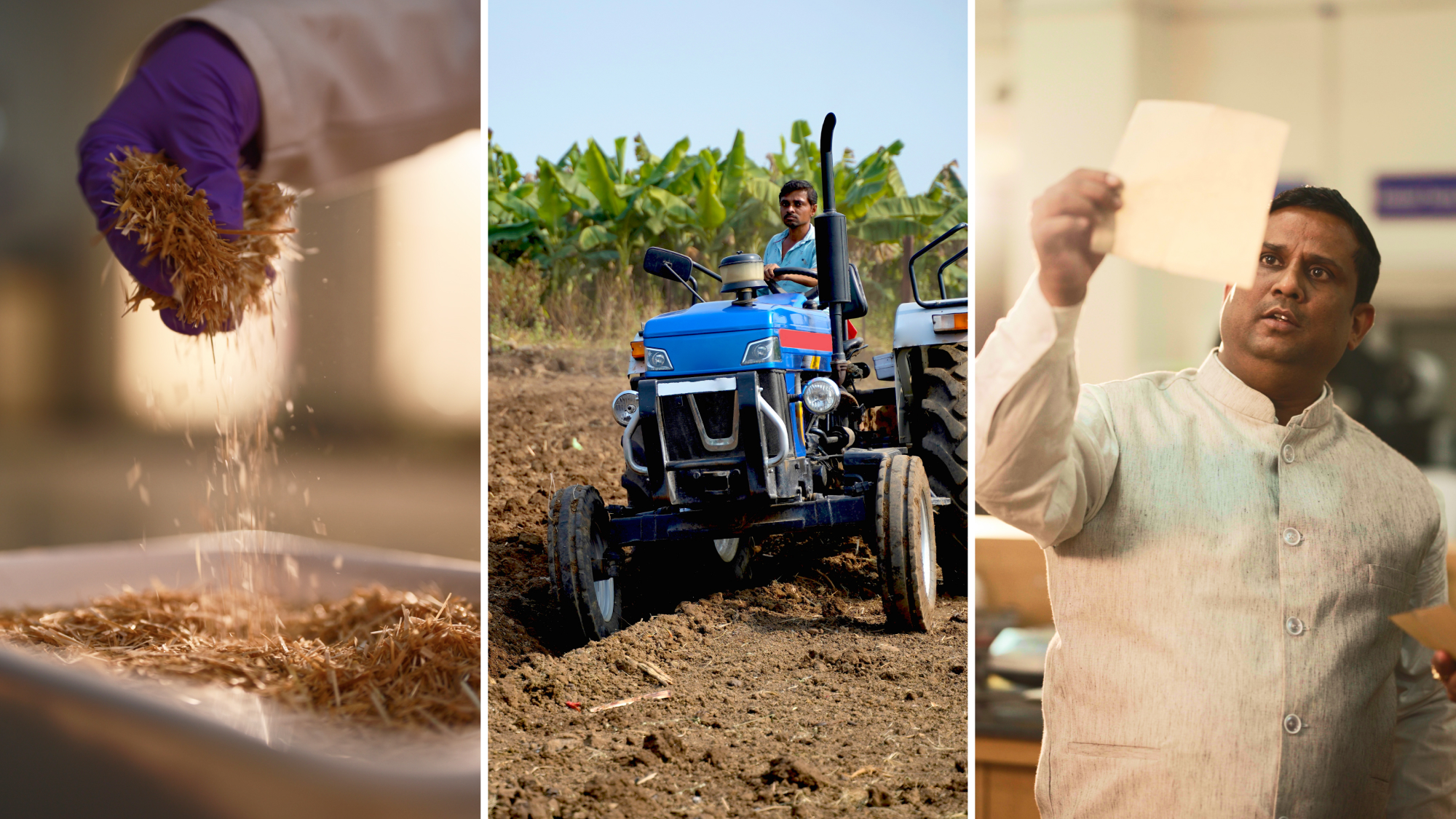
The transformation from agricultural waste to Amazon packaging begins at the INNOPAP (Innovations in Paper and Packaging) lab at the Department of Paper and Packaging Technology at IIT Roorkee, where wheat, straw, and bagasse—materials typically discarded after harvest—arrive for processing.
The agricultural residue is first digested in an autoclave digester, breaking down the raw materials to produce pulp. This process converts crop waste into usable fiber, reducing reliance on virgin materials traditionally used in paper production.
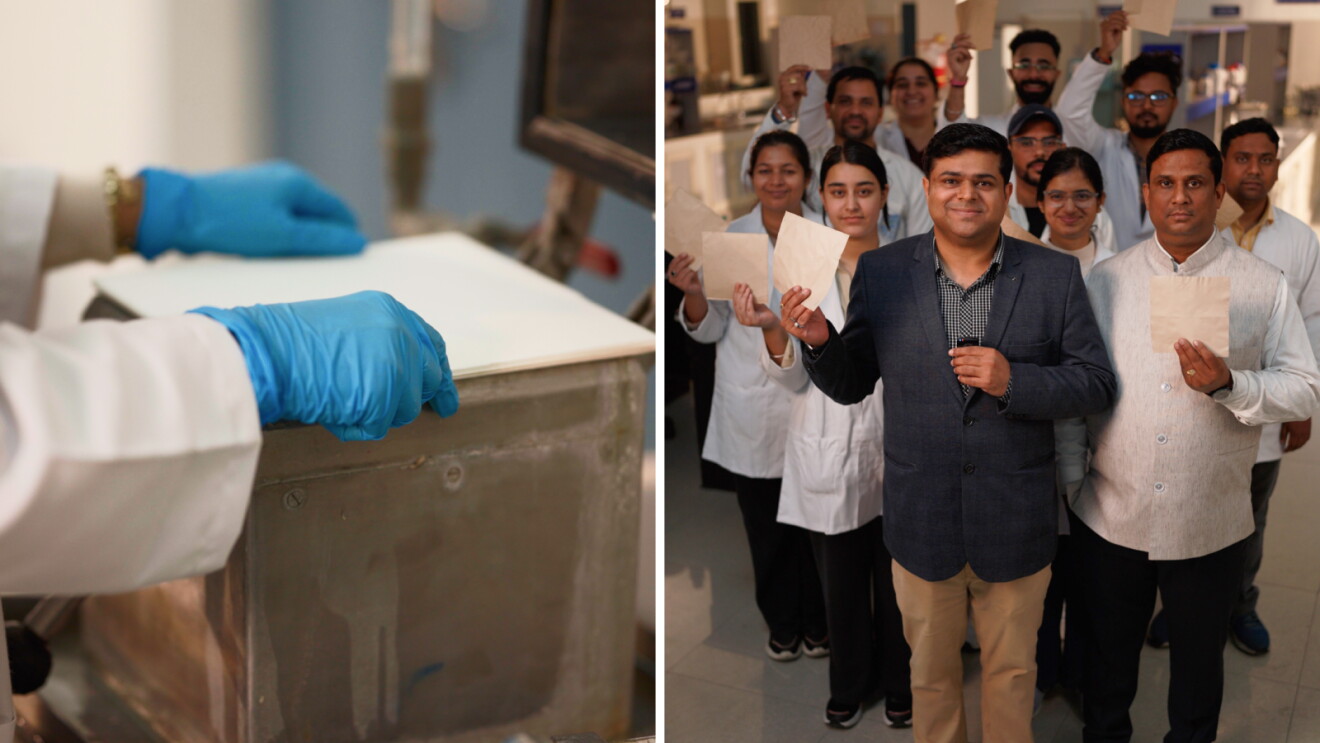
Once the pulp is prepared, it undergoes washing and screening to remove impurities and ensure consistent quality. The screened pulp is then used to make paper through a pressing and drying process. Each sample is manufactured to meet Amazon's specifications for durability and recyclability.
The result is a mailer that began as waste but now serves as functional, recyclable packaging.
What does the collaboration entail?
The collaboration with IIT Roorkee’s Department of Paper and Packaging Technology will begin with lab-scale development and testing over a 15-month period. Subject to successful performance tests, Amazon will provide support to progress to industrial trials, process validation, and commercial production by mid to late next year.
Prof. Kamal Kishore Pant, Director IIT Roorkee, says: "Sustainability is no longer a choice, it is an urgent national priority. This collaboration between IIT Roorkee and Amazon is a step towards realizing India’s vision of a circular economy, aligned with government missions.
“By transforming agricultural residues into biodegradable packaging materials, we are addressing the twin challenges of stubble burning and a reliance on virgin materials in India, while creating scalable solutions that can benefit industries, farmers, and society at large. This initiative showcases how academic research and industry partnerships can accelerate India’s journey towards a more sustainable, and self-reliant future.”
Abhinav Singh, Vice President of Operations at Amazon India, says: “At Amazon, we are building and managing India’s fastest, safest, and most reliable operations network, and we’re committed to making it more sustainable. As part of this effort, we’re partnering with IIT Roorkee to develop innovative packaging from crop residue.”
He adds: “India generates nearly 500 million tons of this waste annually, and by repurposing it into packaging, we can support a more circular economy while reducing reliance on conventional materials."
Prof. Vibhore Kumar Rastogi and Dr Anurag Kulshreshtha from the INNOPAP Lab at IIT Roorkee, Saharanpur Campus, will be leading this research project.
Innovating for sustainable packaging with Amazon
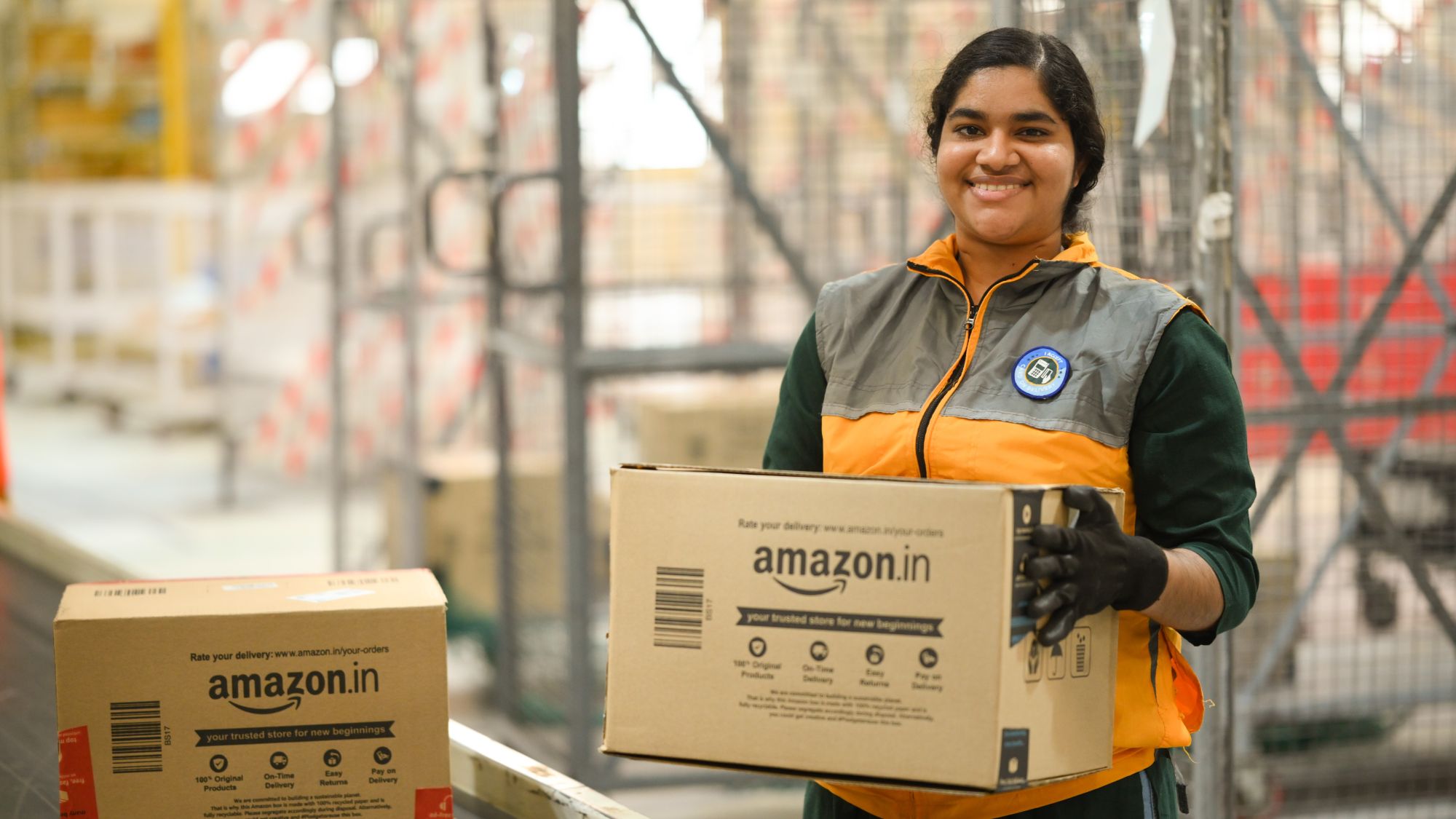
As part of its ongoing efforts to reduce packaging, Amazon ships more than 50% of all customer orders in India either in their original packaging or with reduced packaging. The company ships customer orders in product packaging to more than 300 cities across the country. Since 2019, Amazon India has eliminated 100% of single-use plastic from its packaging across fulfilment centers.
Amazon India is committed to powering our operations more sustainably. The Climate Pledge is Amazon’s goal to reach net-zero carbon across our operations by 2040. We’ve worked fast and made impactful progress over a short period of time, including through investments in carbon-free energy, packaging innovations, electrification of our transport network, circularity improvements, and AI. Amazon has set a goal to return more water to communities in India than it uses in its direct operations by 2027.
Next, find out how AI tech is making sorting packages easier for Amazon's delivery station employees.
Trending news and stories
- Amazon is giving every US employee a discount on groceries
- Amazon raises minimum starting pay for full-time core operations employees to $20/hour, with average pay reaching nearly $24/hour
- Prime Big Deal Days is back October 6-7: Here’s what to expect
- Prime Big Deal Days 2026: Early deals you can shop right now