
Key takeaways
- Amazon is advocating for all low-altitude aircraft to be electronically visible.
- The company asks that drone systems have advanced detect-and-avoid capabilities.
- Amazon believes all package delivery drones should meet higher safety standards.
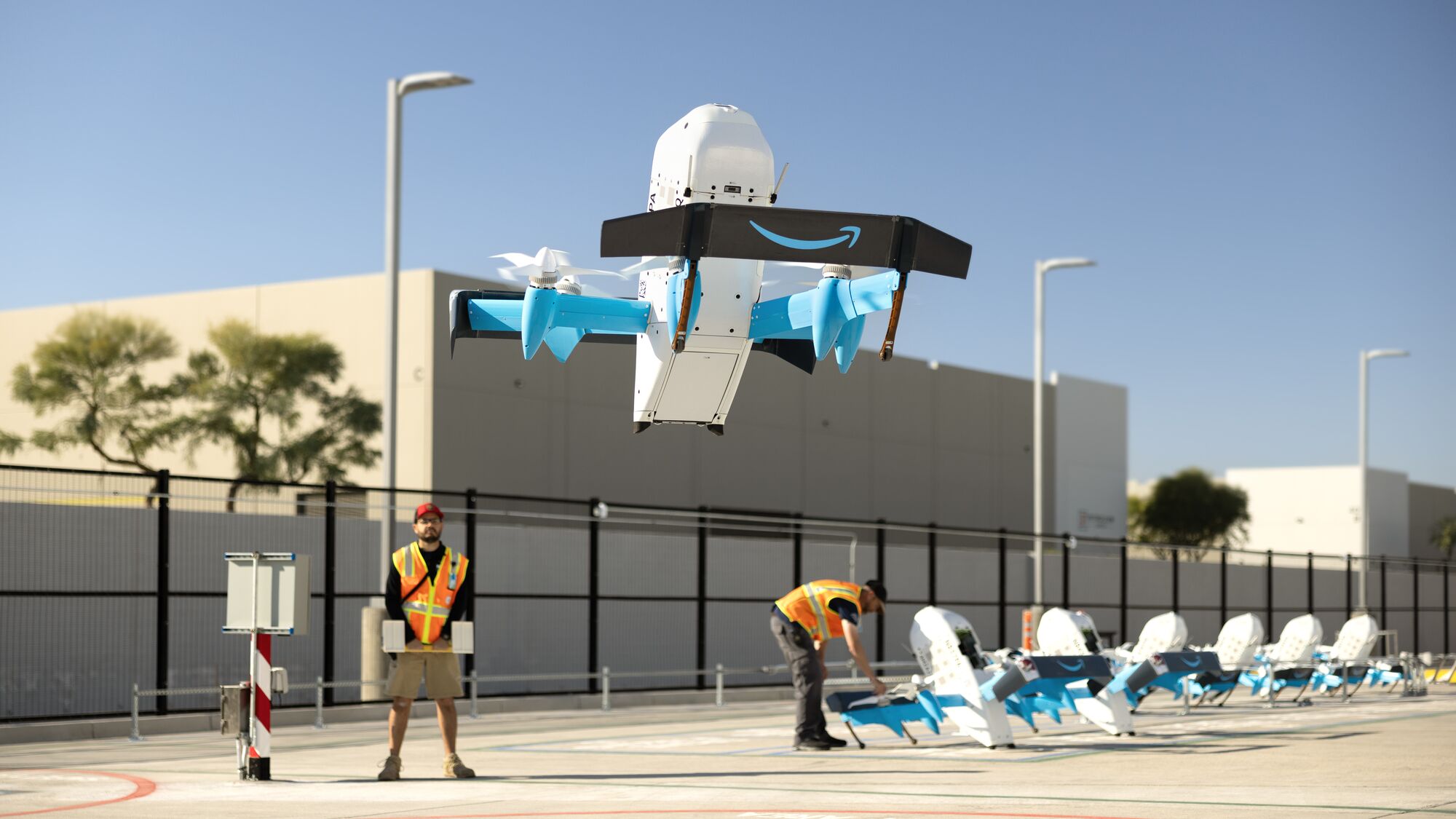
Amazon Prime Air is more than just another last-mile delivery option for customers—it’s fundamentally an aerospace program rooted in rigorous aerospace principles and standards.
This approach has established Prime Air as an industry leader, combining cutting-edge drone design and manufacturing capabilities with sophisticated operational systems that enable safe, efficient, and scalable drone delivery operations to serve Amazon customers across the country.
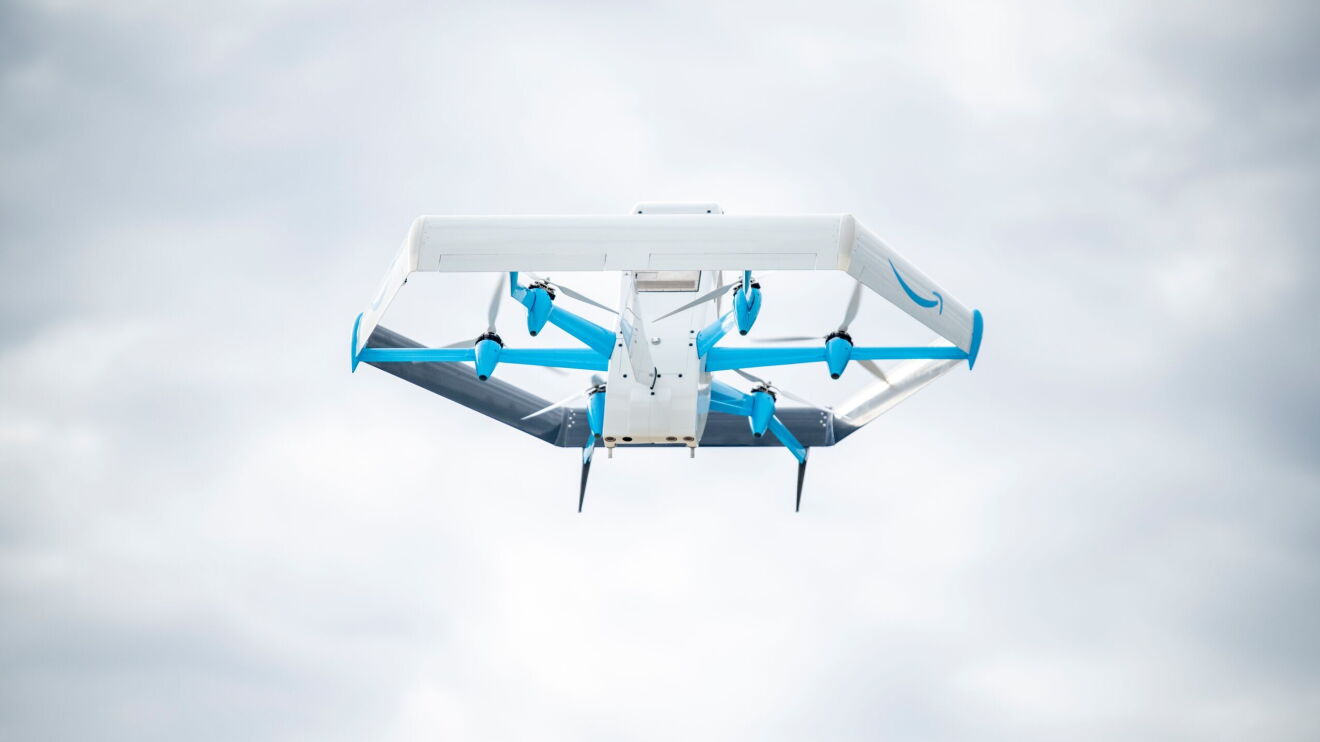
Since launching in 2022, we’ve been delivering packages weighing up to five pounds to customers in under 60 minutes. Our service has expanded from household essentials to include medications, smartphones, and tens of thousands of other eligible items customers need and want fast, integrating drone deliveries into Amazon's broader fulfillment network. From prescription deliveries to household essentials, these operations are already improving lives. We believe drone delivery will bring the convenient and safe delivery options that customers have come to expect from Amazon to new heights.
We applaud the administration, the U.S. Department of Transportation (DOT), the Federal Aviation Administration (FAA), and Congress for their leadership to advance comprehensive U.S. regulations for Beyond Visual Line of Sight (BVLOS) drone operations.
Amazon Prime Air has shared public comments on the proposed regulation with the FAA, which focus on ensuring a safe and scalable framework for drone delivery. A few of our bar-raising safety priorities are as follows, you can also read our full public comments.
Electronic visibility for all low-altitude aircraft
We’ve asked FAA to close a critical safety gap by requiring all crewed aircraft that operate at low altitude (below 500 feet above ground level) to be electronically conspicuous—in other words, be electronically visible—to all other operators, including drone operators.

Just as cars need headlights to operate safely at night, aircraft need to be electronically visible to ensure mutual awareness in shared airspace. This basic safety principle should apply equally to everyone who flies in this airspace, creating a safer environment for everyone.
Advanced detect-and-avoid capabilities
Safety in the skies requires multiple layers of protection, similar to how cars have both airbags and seatbelts. That's why we're asking the FAA to require drone systems to have advanced detect-and-avoid (DAA) capabilities that go beyond basic location broadcasting systems.
Think of DAA as a drone's ability to "see" and avoid crewed aircraft, whether those aircraft are broadcasting their location or not. The FAA has also proposed using an air traffic management system specifically for drones called unmanned traffic management (UTM), which is one way drones avoid other drones. Both systems serve distinct safety functions: DAA protects against traditional aircraft, while UTM coordinates drone-to-drone traffic, making them essential components of a comprehensive safety framework in certain locations.

The FAA already recognizes how important DAA capabilities are for safety, especially when it comes to avoiding crewed aircraft that aren't electronically visible. However, the current proposal only requires these advanced detection systems in limited areas. We believe these safety features should be required in more types of airspace to ensure the highest level of safety for everyone.
At Amazon Prime Air, we meet this requirement through our sophisticated onboard computer vision system, which has been proven to detect all types of aircraft—from planes and helicopters to balloons and paragliders. This ensures the appropriate level of safety in all operating environments, regardless of the type and number of aircraft present.
At Amazon Prime Air, we meet this requirement through our sophisticated onboard computer vision system, which has been proven to detect all types of aircraft—from planes and helicopters to balloons and paragliders. This ensures the appropriate level of safety in all operating environments, regardless of the type and number of aircraft present.
That said, we do not advocate exclusively for an onboard camera type of solution to be the rule for all drone operators. There are many different technologies and types of approaches to onboard or ground-based DAA that can detect electronically invisible aircraft. As long as these approaches can be demonstrated to be more effective than a human at detecting aircraft, they should be evaluated and approved and put into service.
Technological advancement in the name of safety is our highest priority, and the FAA should provide a pathway for this type of innovation.
Regarding the FAA’s proposal on UTM, we believe relying too heavily on this system could actually limit drone delivery services without adding meaningful safety benefits. Although UTM has its place in coordinating drone flights, making it mandatory in all situations could unnecessarily restrict the growth of drone delivery services that benefit American consumers. In other words, we believe that while UTM doesn’t need to be everywhere, it should be used where the most complex drone to drone operating environments are located.
It is imperative that the FAA makes sure that a different approach is allowed for the industry to safely operate and expand to meet the growing delivery needs of Americans without offsetting safety benefits. We believe that properly equipped drones with advanced detection capabilities can safely share the skies while allowing these services to grow and serve more communities.
Higher safety standards for package delivery drone operators
We believe FAA should amend its proposal to ensure all drone operators that deliver packages meet the same, high FAA standards for oversight, safety systems, and accountability.
Prime Air strongly supports the FAA's proposed two-track framework for many BVLOS operations, including agricultural, aerial survey, and civic-interest use cases. However, package delivery operations should not be permitted under the lighter “permitted” framework.
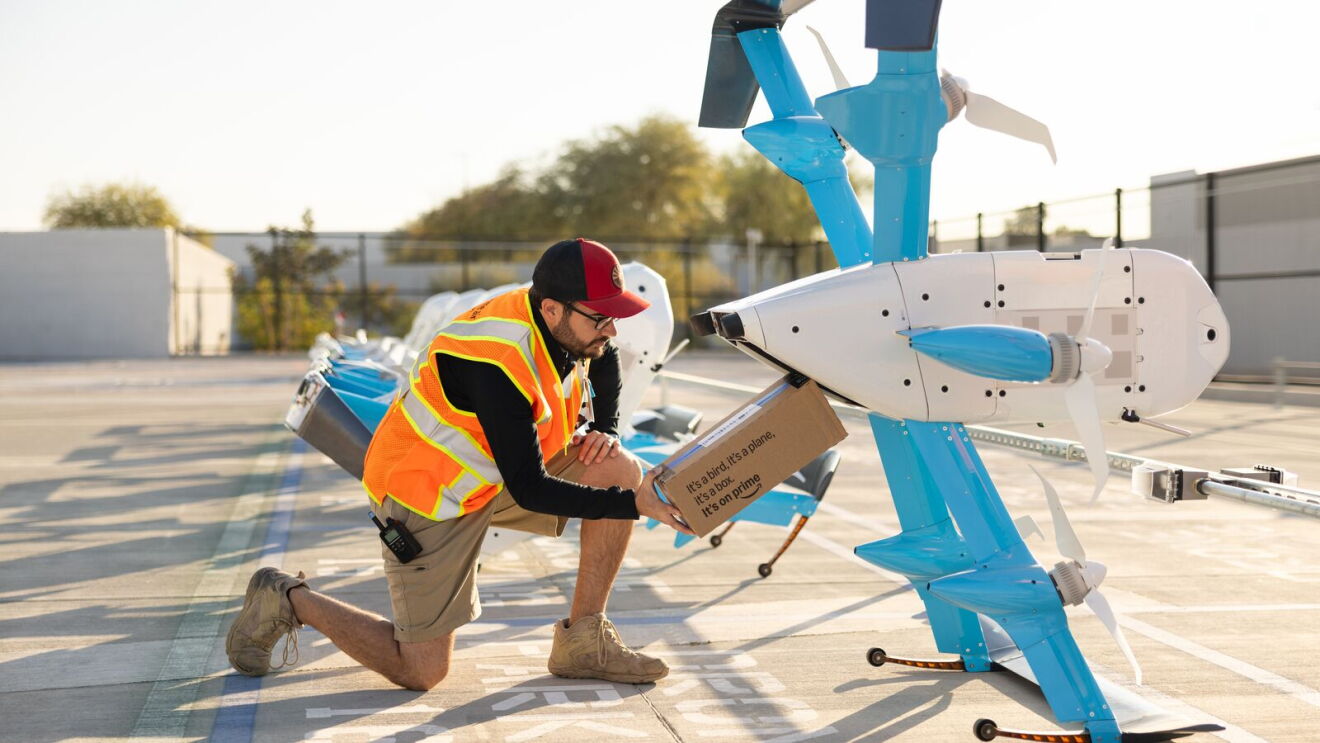
Safety is the top priority at Amazon, and we believe that package delivery to people's homes requires rigorous safety systems and accountability, regardless of fleet size or location. A unified framework under the certificated category ensures that all package delivery operators meet the same high bar, which fosters public trust and operational excellence.
These bar-raising safety priorities reflect years of operational experience delivering packages through a variety of innovative technologies across the U.S. We've proven that commercial drone delivery can be conducted safely and reliably under FAA oversight. Now it's time to expand drone delivery across the U.S. through clear regulations that prioritize safety while enabling innovation.
The proposed rule presents a landmark opportunity to establish a clear regulatory framework that enables scalable and safe drone development and manufacturing in the U.S., and operations that benefit Amazon customers and communities across the country with safe, convenient and fast drone delivery for years to come.
If finalized effectively, it will empower stakeholders to invest confidently in new technologies and operational models, accelerating the safe integration of drones into the national airspace and cementing U.S. leadership in this transformative industry.
We commend the FAA's leadership in advancing this critical rulemaking and look forward to continuing our work together to realize the full potential of commercial drone operations in service of customers and communities.
Next, discover how Amazon's newest delivery drone uses advanced technology to deliver packages faster and safely.
Trending news and stories
- Amazon is creating over 300,000 new US jobs this holiday season with increased pay and expanded benefits
- Amazon introduces 2 new AI products from Bee: Bee Frontier and Bee Eclipse
- Amazon opens its AWS Trainium AI chips to every PyTorch developer, no rewrite needed
- Amazon announces plan to invest €16 billion in Germany in 2027