In late January, Alexa+ launched in Mexico with a mission that went far beyond simple translation. Amazon's more capable AI assistant needed to sound like a local—understanding not just the Spanish language, but the country’s cultural nuances, humor, and conversational rhythms, all of which would make her interactions feel natural and authentic.
It was the first version of Alexa+ to launch in a language other than English (Italy has since followed), and the culmination of a long effort to give the AI assistant a higher cultural IQ and EQ (emotional intelligence).
"I don't think the previous version of Alexa would understand what ‘chido’ meant—or when to use it," says Marta Morales, the Mexico country manager for Alexa+, to give an example. ‘Chido’ is Mexican slang for ‘cool’, but it's typically reserved for objects or experiences, like a piece of music or a concert. ‘Buena onda’ is used to describe cool people.
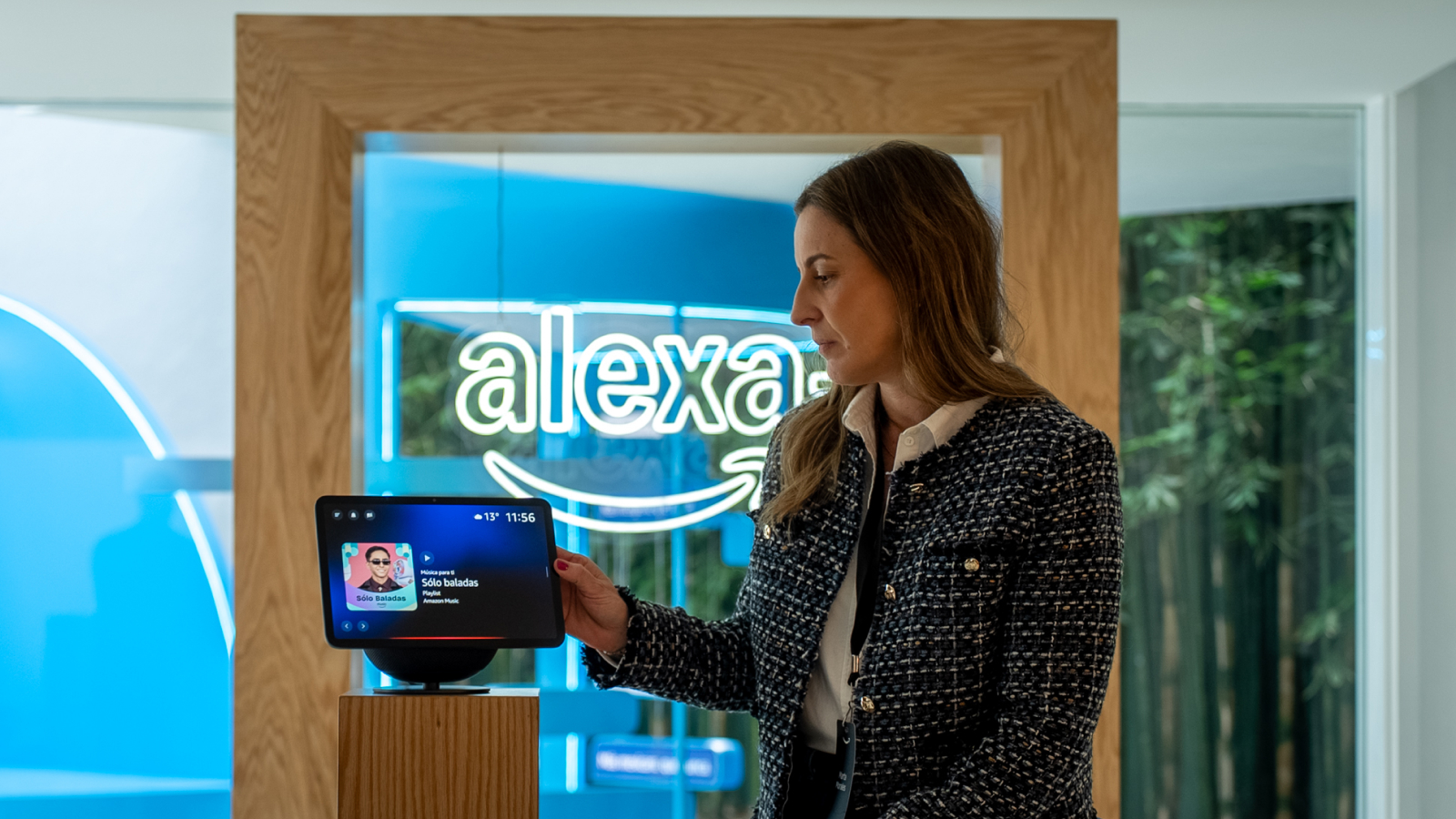 “It’s important that Alexa+ feels like part of the family,” says Marta Morales, the Mexico country manager for the digital assistant. That means keeping up with slang and the nuances of the local culture.
"She also now knows that ‘ahorita’ can mean five minutes or several hours, depending on context. The power of Alexa+, however, comes from the dynamic evolution where she will continue to understand these nuances as the language and slang evolves with new generations.
"This adds a layer of closeness and intimacy with Alexa," Morales adds. "People interact with Alexa while they're in the kitchen, home office, or bedroom, spaces that are reserved for family or close friends. That's why it's important for us that Alexa feels like part of the family."
Getting the cultural details right
The group behind this effort—which included engineering, data science, and country-specific teams—had to localize Alexa+ for a country of more than 130 million people. They worked to identify words that were local but also common enough throughout the country that Alexa+ felt like a native everywhere.
Teaching Alexa+ when and how to use slang and idioms—and with what level of formality—was critical. Too little, they'd lose authenticity. Too much, it might perpetuate stereotypes.
“As we were preparing Alexa+ for Canada, we originally found too many moose references in responses,” says Carlos Perez, director for Alexa in the Americas. “Similarly, while developing the Spanish Mexico experience, we wanted expressions like 'orale' to make her sound natural—but not in every response."
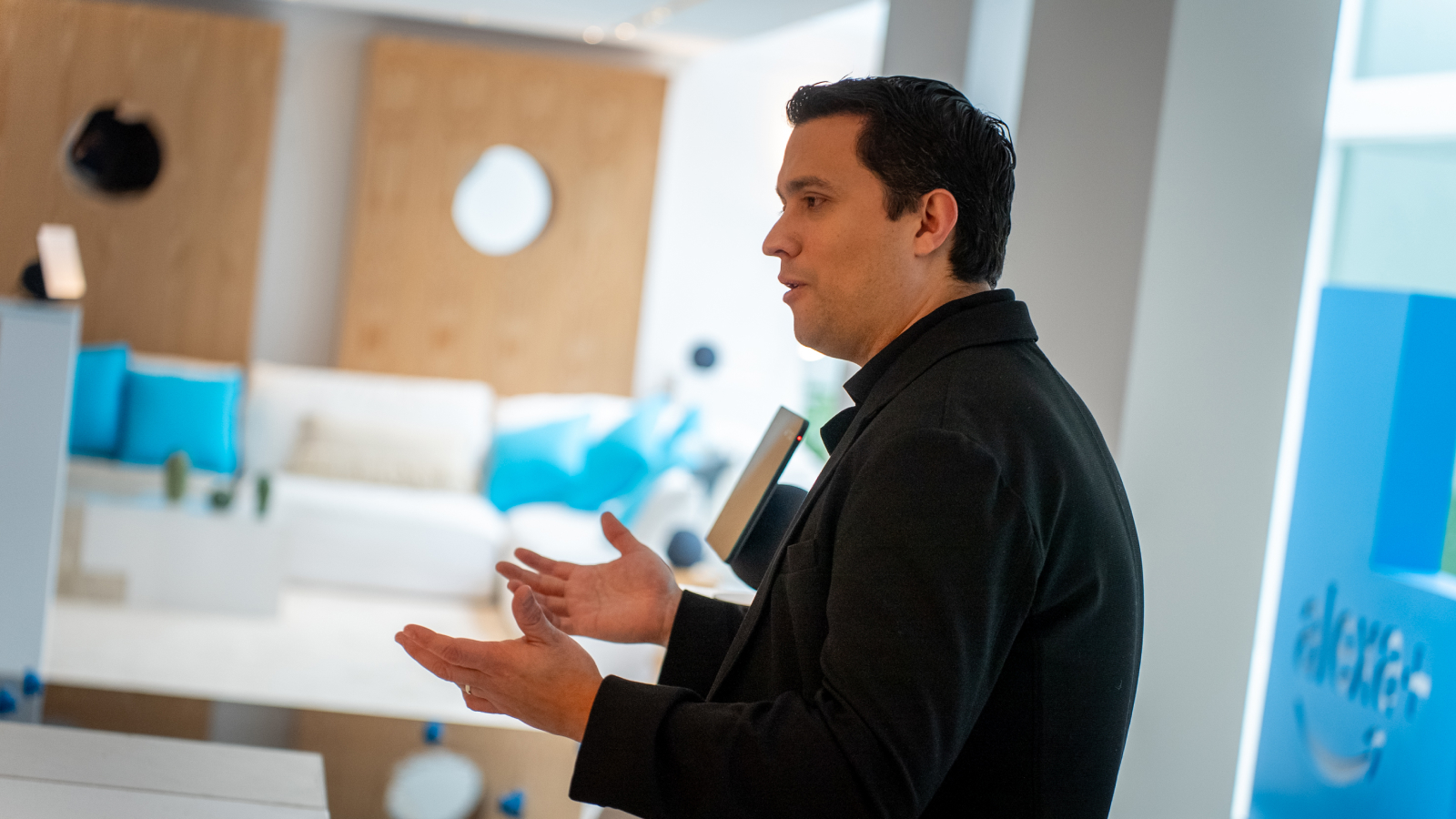 “These improvements aren’t just for Mexico,” says Carlos Perez, director for Alexa in the Americas. "Our ambition is to go to many, many more languages," Perez said.
"We also know that Alexa in Mexico can be more free with comedy,” Perez adds. “It's part of the culture and what you would expect from a human assistant too.”
It took time to get that right. Tom Butler, principal scientist at Amazon for multilingual LLMs (large-language models), remembers getting feedback that the Mexican Alexa+ sounded unnaturally stiff.
So, the engineering team implemented this feedback into Alexa+'s LLM architecture to make her less formal and more friendly and upbeat.
Additionally, as multigenerational living is common in Mexico, Alexa+ needed to be age appropriate for multiple demographics in one home, from young kids to grandparents.
The personalization layer and memory components of Alexa+ then build on top of that foundation to create an experience that feels natural and personalized.
"We chose Mexico to launch first because it's one of the places where the Alexa brand is the most beloved," said Prasad Kapila, tech director for global engineering.
"Mexico is also a top consumer of music streaming products, and Alexa is a natural interface to discover new music. "The relevance of entertainment and music to Mexican culture paired with a device that gives you unlimited streaming of music becomes a powerful enabler of that part of the culture," Morales said.
Retraining Alexa to think and act in Spanish
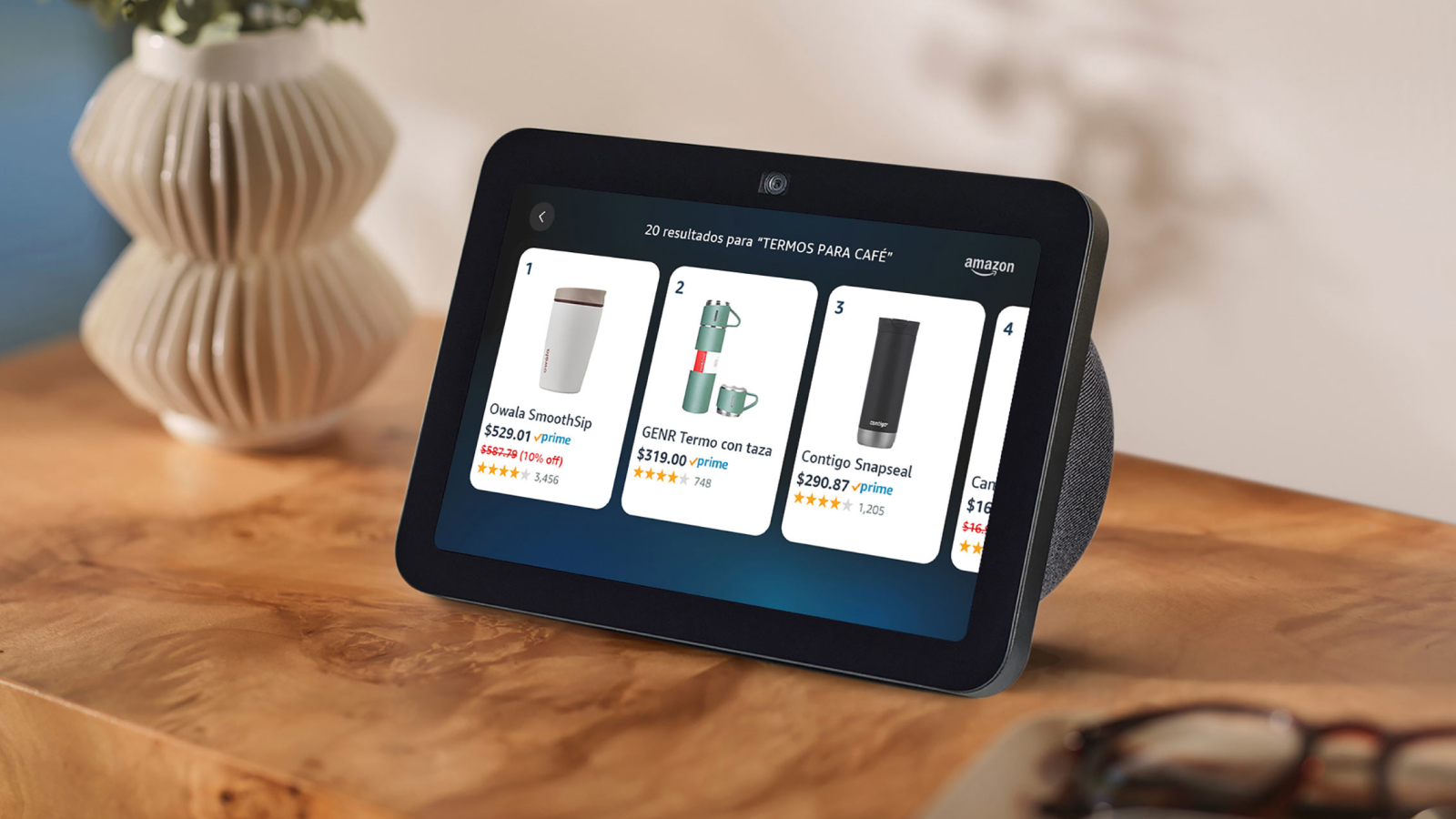 Along with improving natural conversations, the Alexa+ team worked on the capabilities that lets the digital assistant perform actual tasks like booking reservations, making purchases, and controlling smart devices.
One of the main challenges when it came to localizing Alexa outside the U.S. is that most models are trained on data that reflects how common English is on the internet. For example, if a Spanish speaker asked her to play a Bruce Springsteen song, Like Dancing in the Dark or Tougher than the Rest, she might respond in English since the bulk of the request contains English words, says Megan Ganji, the head of applied science for Alexa International.
Using reinforcement learning and increasing training data in Spanish, Italian, and other languages, the team adapted the models so that Alexa+ takes the right actions in culturally appropriate ways, regardless of the region the assistant is working in.
"We probably spent most of our time adjusting the models," Ganji said. "We need to make sure that the nuances for that language and country are adjusted, without washing out the improvements for other languages and countries. For example, adjusting the model to feel warmer for Mexican customers shouldn't affect the formality expected in other countries."
LLMs use a vast amount of information written in various languages. When the engineering teams build LLMs, they use training data of a particular language. The result is a model that understands a general version of a particular language, not regionally specific versions.
"Capabilities that don't come with the training data have to be built in or at least reinforced," says Butler. "LLMs do an incredible job with language, and with a lot of hard work and high-quality data, we can build towards having them do an incredible job with the regionalized version of that language and that culture too."
That work has significantly improved the quality of natural conversations and accuracy of API (application programming interface) grounding that allows Alexa+ to perform actual tasks—like booking reservations, making purchases, and controlling smart devices.
"If we hadn't done that, we wouldn't have a product that we could successfully launch in Mexico," Butler says. "Our custom data sets have shown the LLMs how to reason, work, and act in the real world in another language."
The voice matters
Alexa doesn’t just have to know how people in Mexico interact, she must sound like a local too.
"The voice is a big part of the perception of personality," says Michele Butti, vice president for Alexa International.
 Alexa+ can’t just speak like a local, says Michael Butti, VP of Alexa International. She has to sound like one, too.
In Mexico, Alexa+ comes with three different voice options. The response from customers has been that Alexa+ is smarter, funnier, more conversational, and more engaging than her predecessor—in large part because she has better memory. That means Alexa+ can keep track of context, allowing for longer, more human-like interactions.
Finding the voice talent is a complex challenge as not only does Alexa+ have to speak naturally with customers, but there are numerous local accents to consider too. "Making sure that Alexa sounds like a local comes down to two points," according to Trevor Wood, lead scientist.
"Firstly, we need to find a voice talent with the right local accent and personality to match Alexa. Then we need to work with that talent closely, recording conversational speech audio data with them that captures their local authenticity but also how we want Alexa to interact with customers. That gives us a really high quality data set to work from, which our AI models use to learn how to speak."
Thinking abroad
The launch of Alexa+ in Mexico is part of a larger strategic aspiration: helping Alexa morph into a multilingual personal assistant who understands local cultures and preferences all over the world. Amazon has several country-specific models for Alexa, but the foundation models are shared across regions for efficiency.
"Our ambition is to go to many, many more languages," Perez said. “The improvements to the models and architecture that we were making along the way weren't just for Mexico. They were intended to accelerate our path to launch Alexa in other countries and languages across the world.
When Alexa first launched, it was a massive effort by thousands of people focusing for months on individual countries. Now, the team can work across languages and regions much more quickly. In addition to Mexico, so far Alexa+ has launched in the U.S., Canada, the UK, and Italy.
“We are on a journey to create the world's best personal assistant—no matter where you are or what language you speak,” Kapila said. “It takes engineering, science, and people who deeply understand each culture working together to get that right. With every country we launch, we learn what makes Alexa feel more local—and we can't wait to bring that to the rest of the world."
More news from around the world
- Amazon commits 30,000 jobs to young people in the UK by 2030—no experience required
- Watch the trailer for 'Perfect Liars,' the adaptation of the hit novel coming to Prime Video November 20
- Amazon announces plan to invest €16 billion in Germany in 2027
- Watch the trailer for ‘Drive – The Pretenders,’ coming to Prime Video October 28