

Key takeaways
- Amazon Music includes 100M+ songs, podcasts, festival livestreams, and exclusive artist content.
- Choose the plan that fits you: including Amazon Music with Prime or Amazon Music Unlimited.
- Discover music through natural conversation with Alexa+, free across all tiers in the Amazon Music app.
Regardless of whether you grew up in the age of vinyl, CDs, or MP3s, streaming is the modern way to consume music. And while there are a lot of streaming services out there, only one gives Amazon Prime members access to over 100 million tracks in shuffle mode and a collection of All-Access Playlists for on demand and offline listening. Now, Amazon Music also includes video podcasts, so customers can watch or listen to their favorite podcasts.
Prime has all your entertainment and streaming needs in a single membership—and that includes Amazon Music.

Not a Prime member? Don’t fret: Amazon Music Unlimited gives you on-demand access to songs plus the highest-quality HD, Ultra HD, and Spatial Audio. Plus, Amazon Music Unlimited now includes Audible’s unmatched library of audiobooks for subscribers—with access to one audiobook a month. There’s also an ad-supported version of Amazon Music for everyone else too.
Here’s everything you need to know about Amazon Music. Pricing and availability varies, so check your local Amazon website for details for your region.
What is Amazon Music?
Amazon Music is an audio entertainment service that connects fans, artists, and creators through music, podcasts, and culture. It delivers a library of more than 100 million songs, as well as audio and video podcasts, global festival livestreams, exclusive artist performances, and original content.
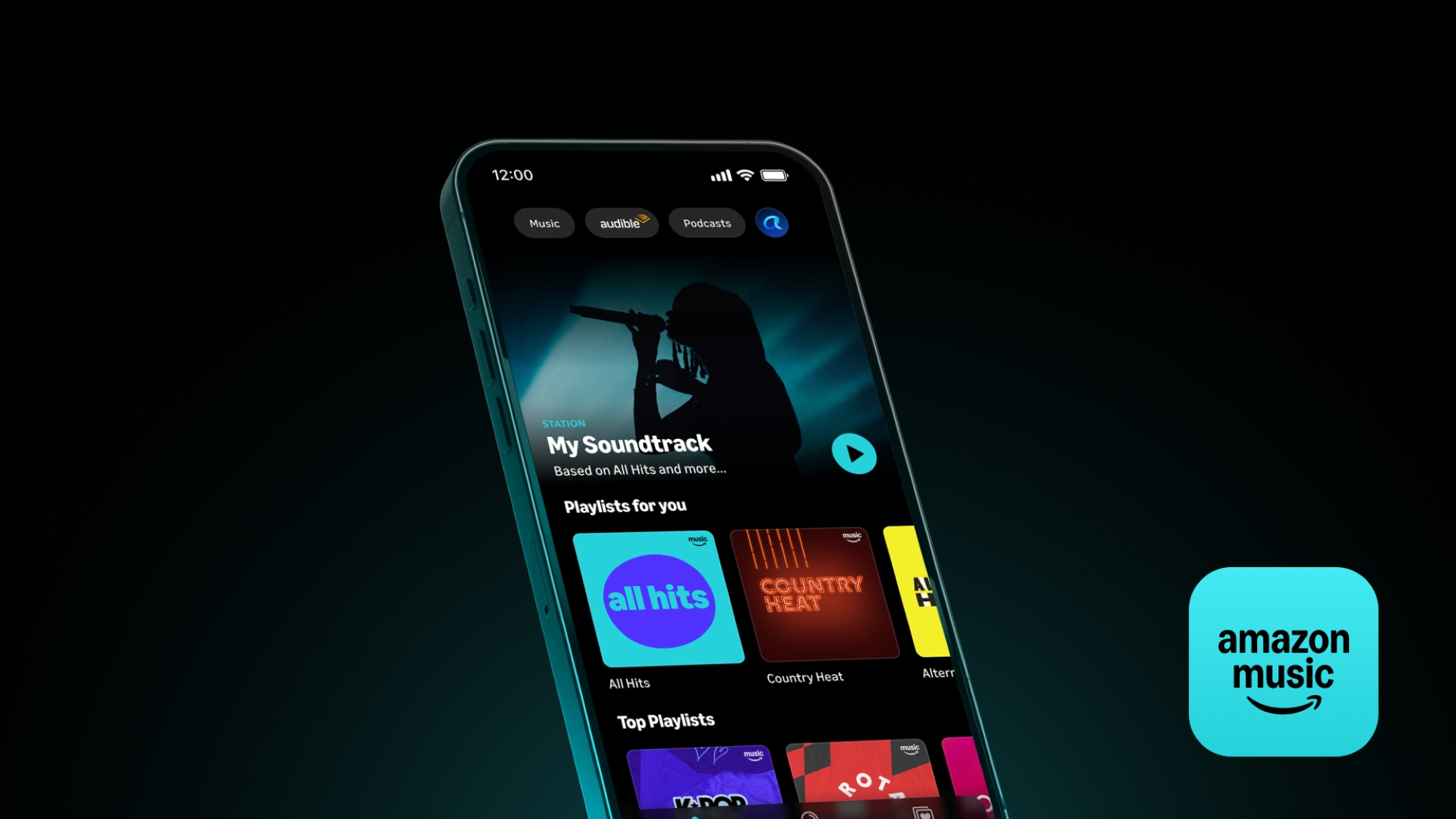
Customers across all subscription tiers can tap into Alexa for Amazon Music on the Amazon Music app—allowing them to dive deeper into music and podcast discovery, ask for recommendations, and build playlists, in conversational ways. You can even shop for your favorite artist’s merch right in the app while listening to their music, with Prime members getting fast and free shipping.

Exactly what your listening experience sounds like depends on the plan you choose. Amazon offers several tiers of service, and you can pick the one that suits your needs and budget.
What does Amazon Music cost?
These are basic plans you can choose from including:
- Amazon Music for Prime members. Amazon Music gives Prime members access to a catalog of over 100 million songs in shuffle mode and podcasts—ad-free, at no additional cost to their membership. You can download All-Access Playlists for offline listening, and pick and play any specific track within these playlists. Outside of these playlists, Prime members can enjoy a shuffle experience when listening to artists, albums, genres, among other content types.
- Amazon Music Unlimited. The Unlimited tier is available to everyone, Prime members and non-members alike. It gives you on-demand access to Amazon’s catalog of over 100 million songs and podcasts. Plus, Amazon Music Unlimited includes an unmatched selection of audiobooks from Audible for subscribers in the U.S., UK, Canada, France, Australia, and New Zealand—with access to one book a month. With this plan, you can pick and play any song, and you have unlimited skips when listening to stations. Amazon Music Unlimited also unlocks the service’s highest-quality versions of tracks, in HD, Ultra HD, and Spatial Audio formats. As a Prime member, you can join Amazon Music Unlimited for $11.99/month or $119/year. Non–Prime customers pay $12.99/month.
What is Amazon Music’s audio quality?
Audiophiles can enjoy the highest-quality streaming audio with Amazon Music Unlimited, featuring an extensive, premium catalog of lossless sound, with more than 100 million high-definition (HD) songs, with a bit depth of 16 bits and a sample rate of at least 44.1 kHz (CD quality), as well as more than 7 million songs in Ultra HD (better than CD quality), with a bit depth of 24 bits and a sample rate up to 192 kHz.
Customers can now hear all their favorite songs and albums with every bit of detail as their original recording, combined with the convenience of streaming. Amazon Music Unlimited customers can also experience Spatial Audio—an immersive, multidimensional audio format that puts you inside the music—on the Amazon Music app or on even more devices, using their existing headphones, no special equipment required.
How can I listen to Amazon Music?
You can listen to Amazon Music pretty much anywhere you want to listen to it. You can play Amazon Music in a browser on your computer or laptop using the Amazon Music web player, or install the desktop app for your Mac or PC.
On the go, you can use the mobile app for iOS and Android. Amazon supports Amazon Music on a broad array of devices, like Sonos, Roku, Fire TV, Amazon Echo, and Amazon Echo Show.
How do I navigate Amazon Music?
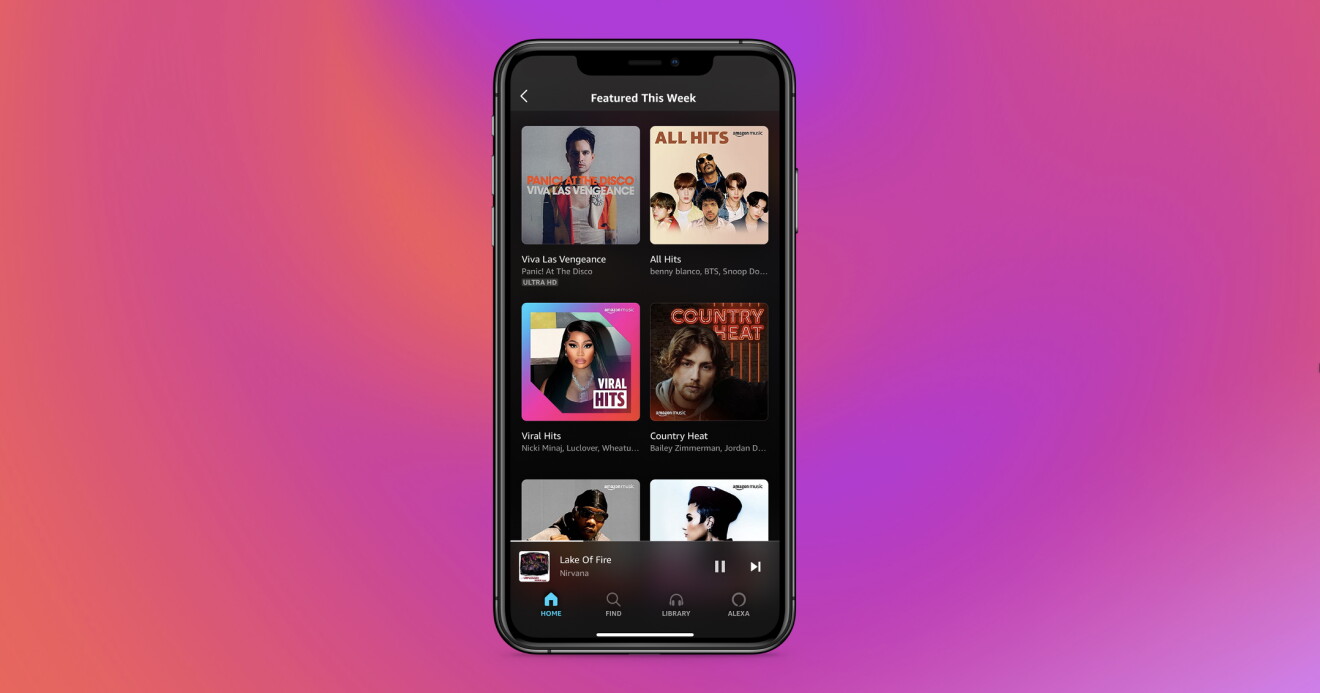
When you start to use Amazon Music, you can personalize your experience by selecting a handful of your favorite artists, which the service uses to curate songs you want to hear in personalized playlists.
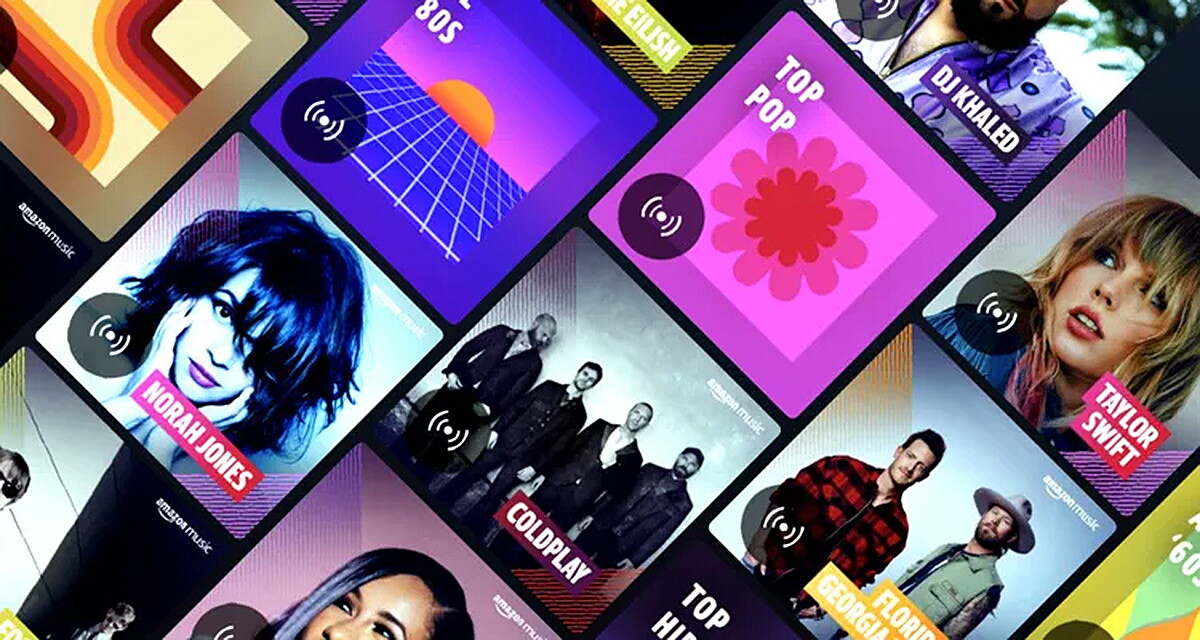
Regardless of how you use Amazon Music—on the web or in an app—you have the same general set of controls. The homepage lets you browse through curated music you can discover from contemporary and popular artists, as well as playlists based on your personal interests.
You can search for music and, if you are an Amazon Prime Unlimited user, pick and play specific songs. Otherwise, you can shuffle albums and artists, or add specific tracks to a playlist for shuffle play later. There’s also your Library, which stores playlists, saved podcasts, downloaded music, and other personal selections.
How do I join Amazon Prime?
Want to get the most out of Amazon Prime—or get Amazon Music Unlimited at a discounted price? You may want to consider joining Prime.
An Amazon Prime membership costs $14.99 monthly or $139 annually in the U.S. Discounted memberships are also available for young adults and qualifying government assistance recipients at 50% off. Check your local Amazon website for information on Prime membership pricing in your region.
Update: This article was originally published on November 28, 2023. It was updated on November 2, 2026, to reflect the latest information.