Key takeaways
- Amazon data centers are seven times more water efficient than the industry average.
- Amazon is more than halfway to its 2030 goal of 100,000 electric delivery vehicles globally.
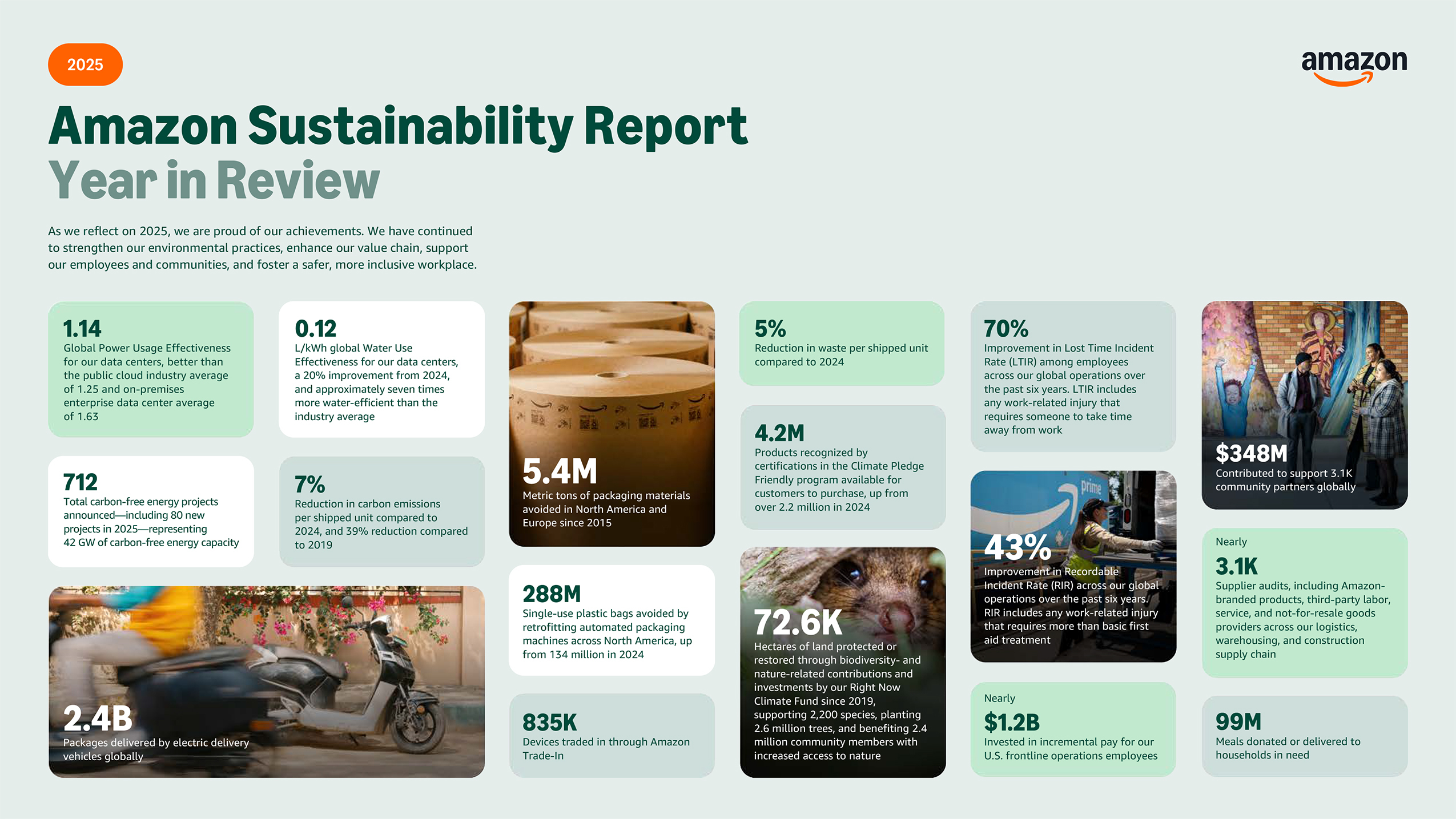
- Amazon reduced carbon emissions per shipped unit by 7%.
This year’s Sustainability Report shows Amazon is on a journey unlike anything a company of its size and complexity has tackled before. Amazon’s climate commitment reaches into every corner of its global operations—energy procurement, data center design, transportation, real estate, packaging, water systems, grocery, and supply chain engagement—and no single metric captures that breadth entirely.
Progress at Amazon has never been linear, and the path to net-zero carbon is no different.
The world is changing fast. The way people shop, the way businesses operate, and the way technology powers daily life are transforming, and these shifts are driving significant growth across Amazon's business. The company sees this as good growth—not just for customers, but for the planet—because every package delivered and every workload that migrates to Amazon Web Services (AWS) is an opportunity for that activity to happen more sustainably.
When the company co-founded The Climate Pledge in 2019, it anticipated that this kind of growth could mean near-term increases in emissions before longer-term reductions. In 2025, absolute carbon emissions increased—but since 2019, overall carbon intensity has decreased 38% while revenue has grown 156%, showing that Amazon is decoupling growth from emissions in line with its longer-term strategy.

None of this is new territory for Amazon. The company has been investing in carbon-free energy, water efficiency, and operational innovation for years, and those early commitments are what allow Amazon to scale responsibly today. If anything, the challenges ahead have only sharpened the company’s resolve to invest more, innovate faster, and hold itself accountable to measurable progress.
And that progress is real. Amazon operates one of the largest corporate electric vehicle fleets in the world, its data centers are among the most energy and water efficient in the industry, and the company matched 100% of the electricity consumed by its global operations with renewable energy for three consecutive years.
The company’s goal remains to be net-zero carbon by 2040. The path won’t always be straight, but the vision is clear—and so is the progress Amazon is making today.
Here are the top five things to know from the 2025 Amazon Sustainability Report.
1. Amazon is shipping packages with less waste, less packaging, and fewer emissions

Amazon continues to innovate and make significant strides in its retail operations. This includes minimizing packaging, reducing waste, and lowering emissions.
In 2025, Amazon reduced carbon emissions per shipped unit by 7% year over year, even as the company delivered more packages to more customers. Amazon scientists and engineers retrofitted hundreds of automated packing machines with paper-based alternatives, avoiding more than 288 million single-use plastic bags in North America.
Today, 73% of the company’s packaging in North America is recyclable, up from 63% the prior year.

Customers are part of the equation, too. Amazon Day delivery lets customers select a single day each week to receive their orders, and a new feature lets Prime members add items to an existing upcoming delivery with a single click. Together, these options helped Amazon avoid nearly 500 million delivery trips in 2025. Smarter inventory placement—locating products closer to customers—avoided 127 million vehicle miles as well.
2. Amazon is expanding its low- and zero-emission delivery
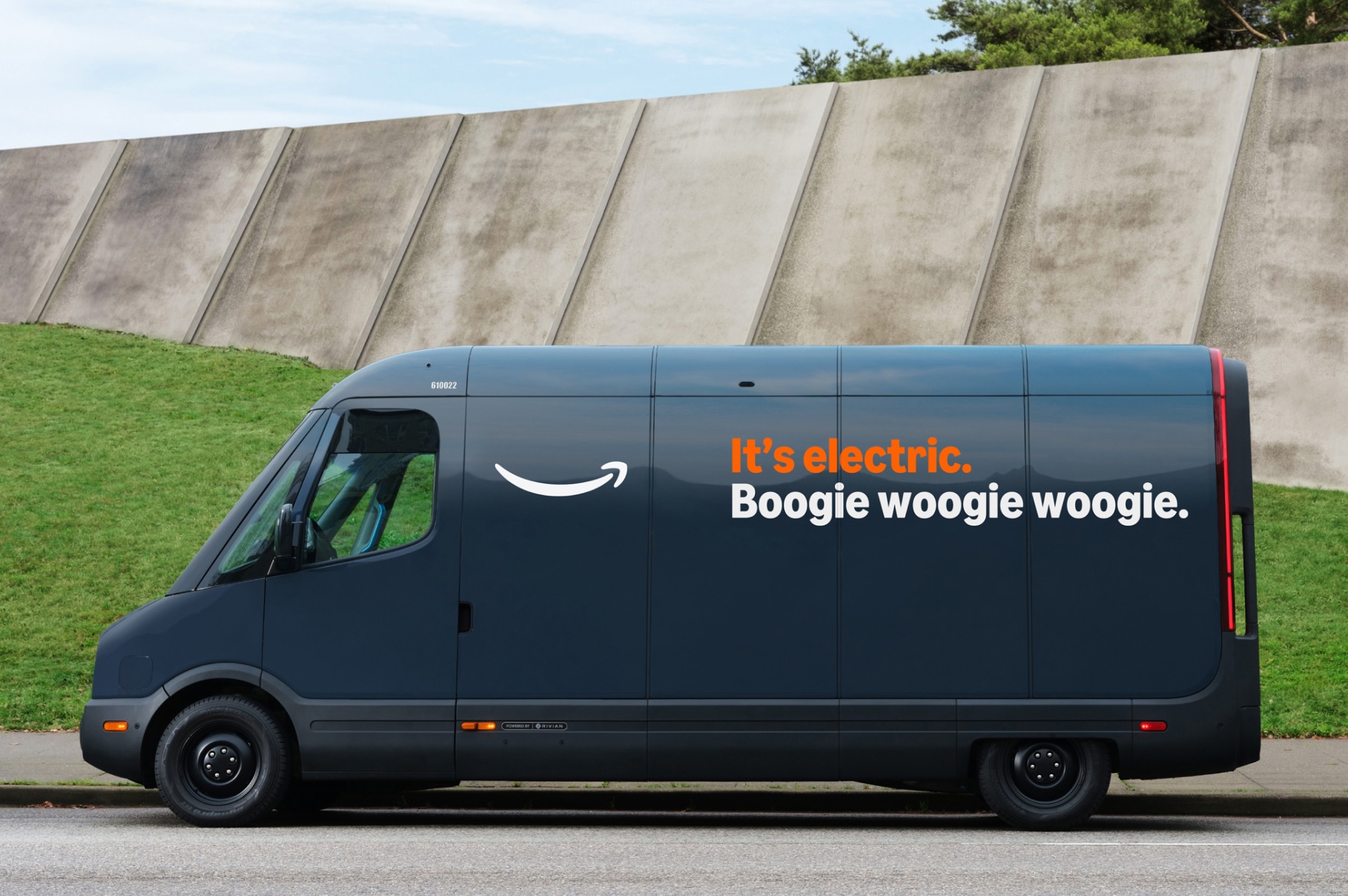
Amazon now operates more than 52,700 electric delivery vans globally—which includes the largest corporate electric vehicle (EV) fleet in North America—and delivered 2.4 billion packages to customers with EVs in 2025. That fleet is more than halfway to Amazon's goal of 100,000 electric delivery vehicles globally by 2030.
EVs are only part of the picture. Across Europe, 75 micromobility hubs use electric cargo bikes, pushcarts, and other zero-exhaust-emission vehicles to deliver packages and groceries—reducing noise and emissions in the urban neighborhoods where Amazon operates.
And in 2025, Amazon opened its first mass-timber delivery station in Elkhart, Indiana, bringing together more than 40 sustainability initiatives under one roof. It's a rethinking of not just how Amazon delivers, but the buildings behind those deliveries.
3. Amazon is building data centers that do more with less

To meet strong customer demand, Amazon added more data center capacity in 2025 than any other company globally—and every facility is designed to deliver the highest performance with the lowest possible energy and water use.
Amazon's data centers achieved a global average Power Usage Effectiveness of 1.14—a ratio where 1.0 would mean every watt goes directly to computing, with nothing lost to cooling, lighting, or other overhead. That's 9% better than the public cloud industry average and 30% better than on-premises enterprise data centers.

Amazon’s data centers are also seven times more water-efficient than the industry average, using air cooling for the vast majority of the year—and Amazon improved that figure by 33% in a single year in 2025 alone.
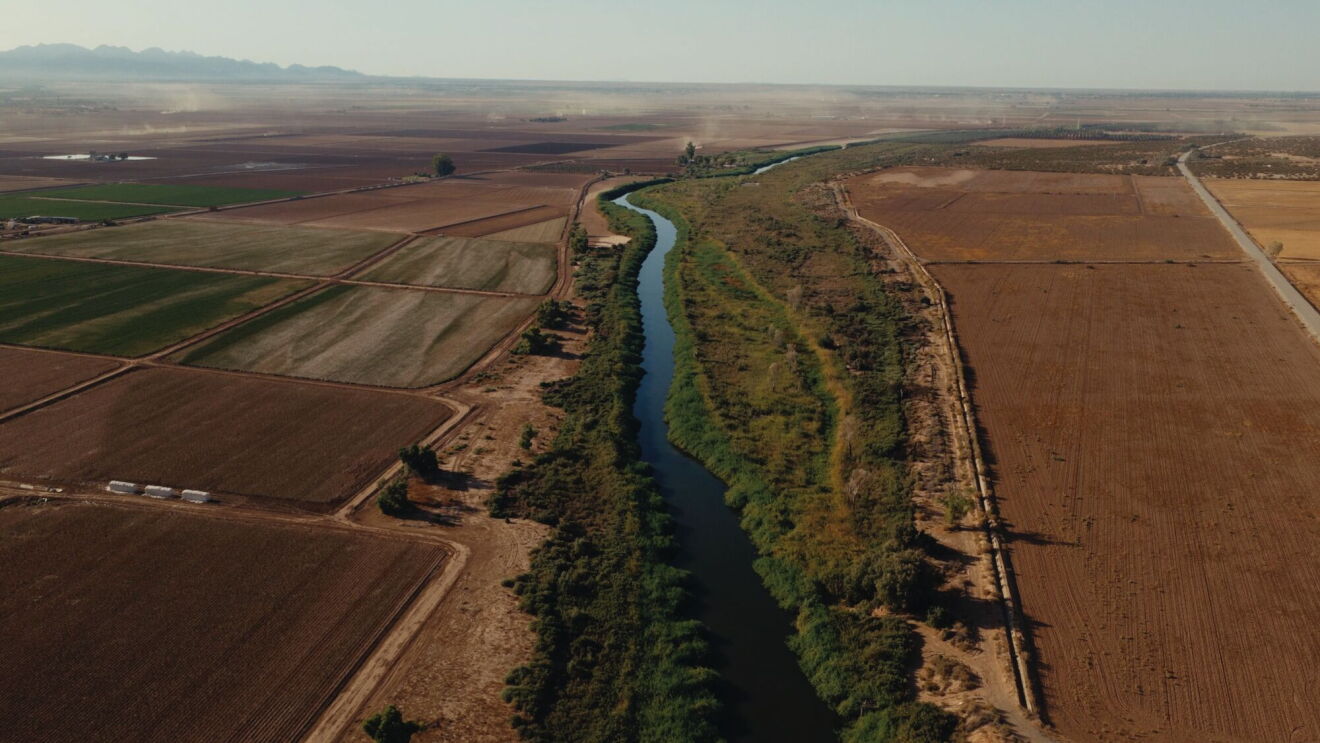
Amazon is 75% of the way toward its goal to be water-positive by 2030, meaning Amazon will return more water to communities than it uses in data center operations. In 2025, Amazon returned three gallons for every four it used, and Amazon announced more than 50 water projects expected to return more than 5.8 billion gallons annually once fully implemented. Twenty-six of Amazon's data centers now use reclaimed water for cooling, preserving nearly 850 million liters of potable water for communities.
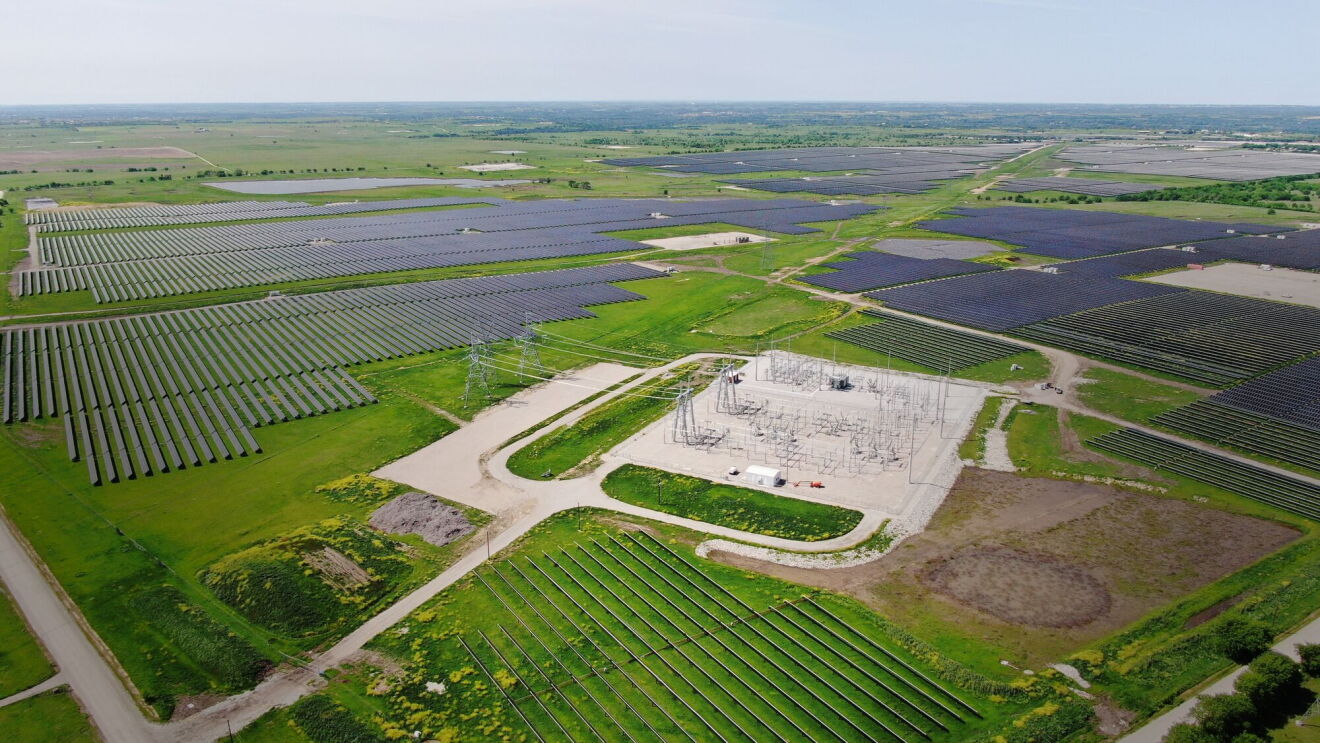
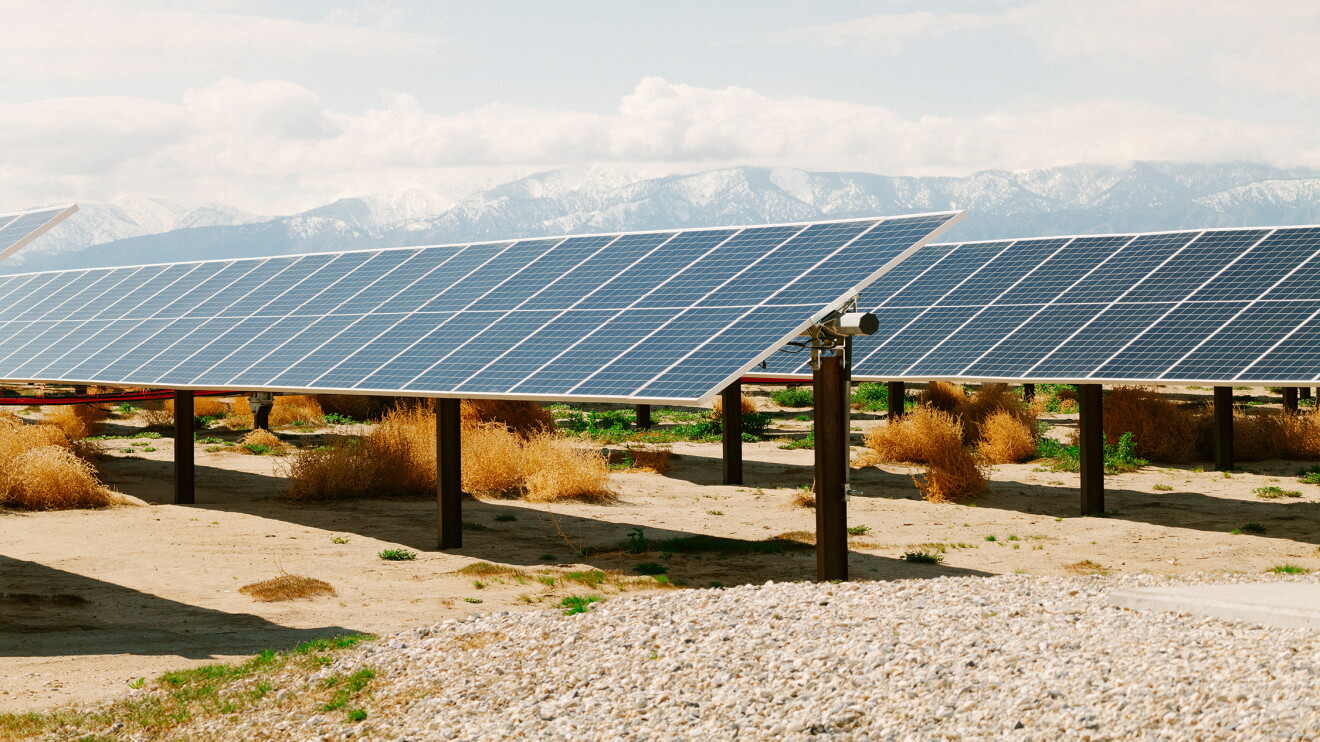
Powering this infrastructure responsibly is just as important as building it efficiently. Amazon's carbon-free energy portfolio now spans more than 712 projects across 30 countries, representing 42 gigawatts of capacity, which is enough to power 13 million U.S. homes. Amazon is also investing in the future of energy, including next-generation nuclear, advanced geothermal, and long-duration storage to bring new clean energy sources to the grid.
4. Amazon is collaborating with suppliers to help reduce supply chain emissions

Reducing Amazon's carbon footprint means looking beyond its own operations. More than two-thirds of the company's emissions come from its broader supply chain—the suppliers who manufacture products, construct buildings, and transport goods on Amazon's behalf. These indirect emissions, known as Scope 3, span more than 40 countries and thousands of suppliers, and reducing them requires working together at scale.
The work to reduce these emissions is well underway: Sixty-two percent of Amazon's top suppliers now have credible decarbonization plans in place—a 23% increase year over year. If these suppliers achieved net-zero alongside Amazon, they would avoid more than 11 billion metric tons of carbon dioxide equivalent (CO₂e). That’s the equivalent of taking all U.S. passenger vehicles off the road for approximately 11 years.
Amazon supports their progress through direct coaching, access to power purchase agreements, and procurement training, which Amazon rolled out to 10,000 managers in 2025.
5. The Climate Pledge is driving collective action at scale
Amazon co-founded The Climate Pledge in 2019 as both a commitment and a catalyst that brings companies together to reach net-zero carbon by 2040. By the end of 2025, 656 signatories across 62 industries and 49 countries had joined, with 51 new fashion and beauty brands and 16 of Amazon's top suppliers signing on this year.

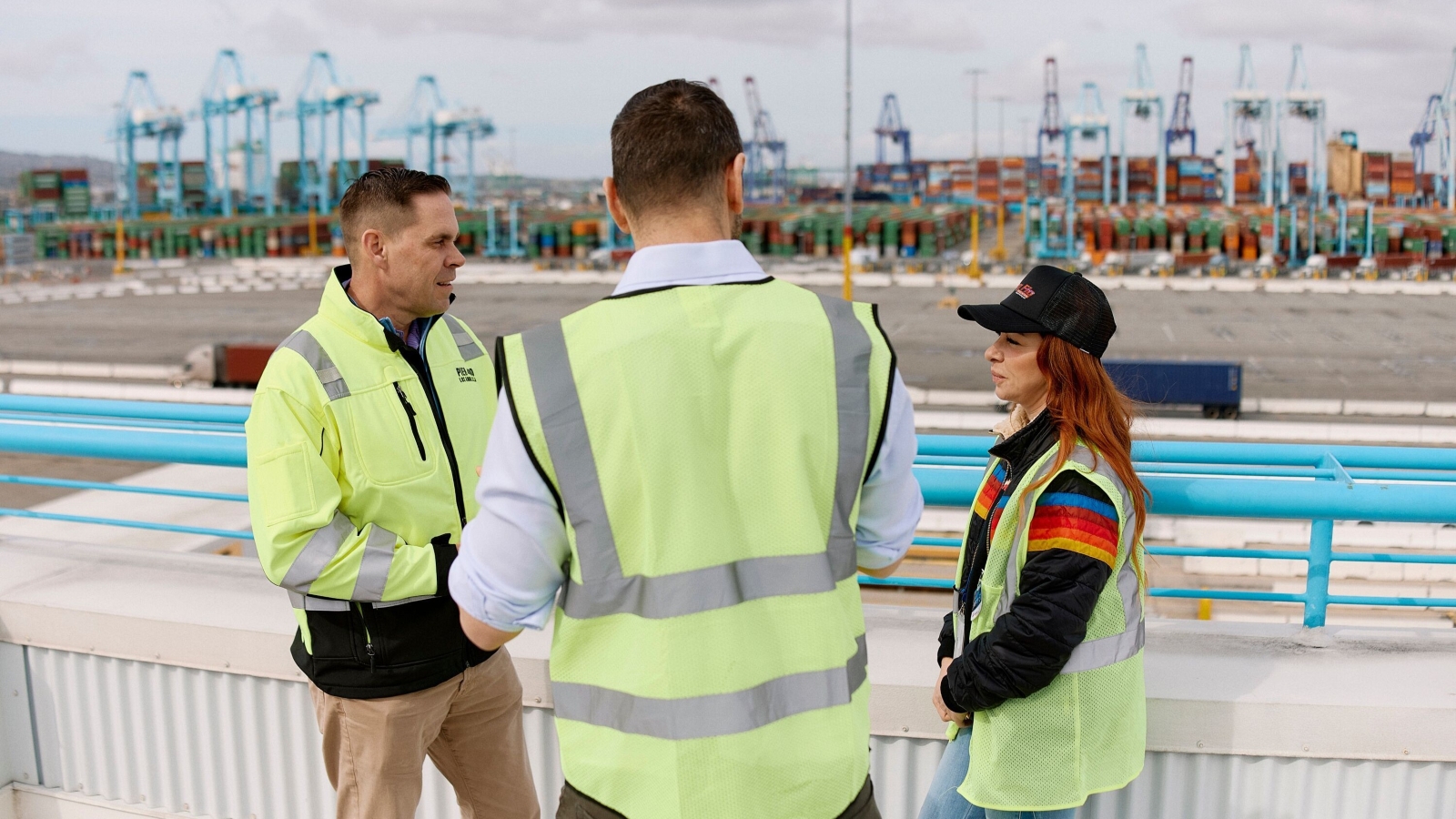
The Pledge is also a platform for joint action projects, and in 2025, nine collaborative projects brought together 44 signatories to tackle shared challenges—from electrifying short-haul truck routes at ports, to accelerating electric freight in India, Brazil, and Mexico, to reducing embodied carbon in building materials.
No single company can decarbonize global supply chains alone. The Climate Pledge exists because collective action accelerates the innovation required to get there.
Trending news and stories