
Key takeaways
- Amazon has invested more than $100 billion in Texas since 2010, including infrastructure and compensation to employees.
- The company had more than 86,000 full- and part-time employees and supported more than 90,000 indirect jobs in 2025.
- Amazon partners with 35 Texas educational institutions through its Career Choice program, offering employees prepaid tuition for skills development.
- More than 226 million items were sold by Texas-based independent sellers through Amazon's store in 2025.
- Amazon donated over $5 million to 75 local community organizations across Texas in 2025.
Page overview
Investing in our employees
Amazon provides competitive wages and comprehensive benefits from Day 1. Front-line employees in customer fulfillment and transportation earn an average hourly base wage of more than $23, with total compensation averaging more than $30 an hour when including benefits. These benefits include health, vision, and dental insurance starting on Day 1, free mental health resources, up to 20 weeks of fully paid parental leave, a 401(k) with 50% company match, and flexible time-off options that increase with tenure.
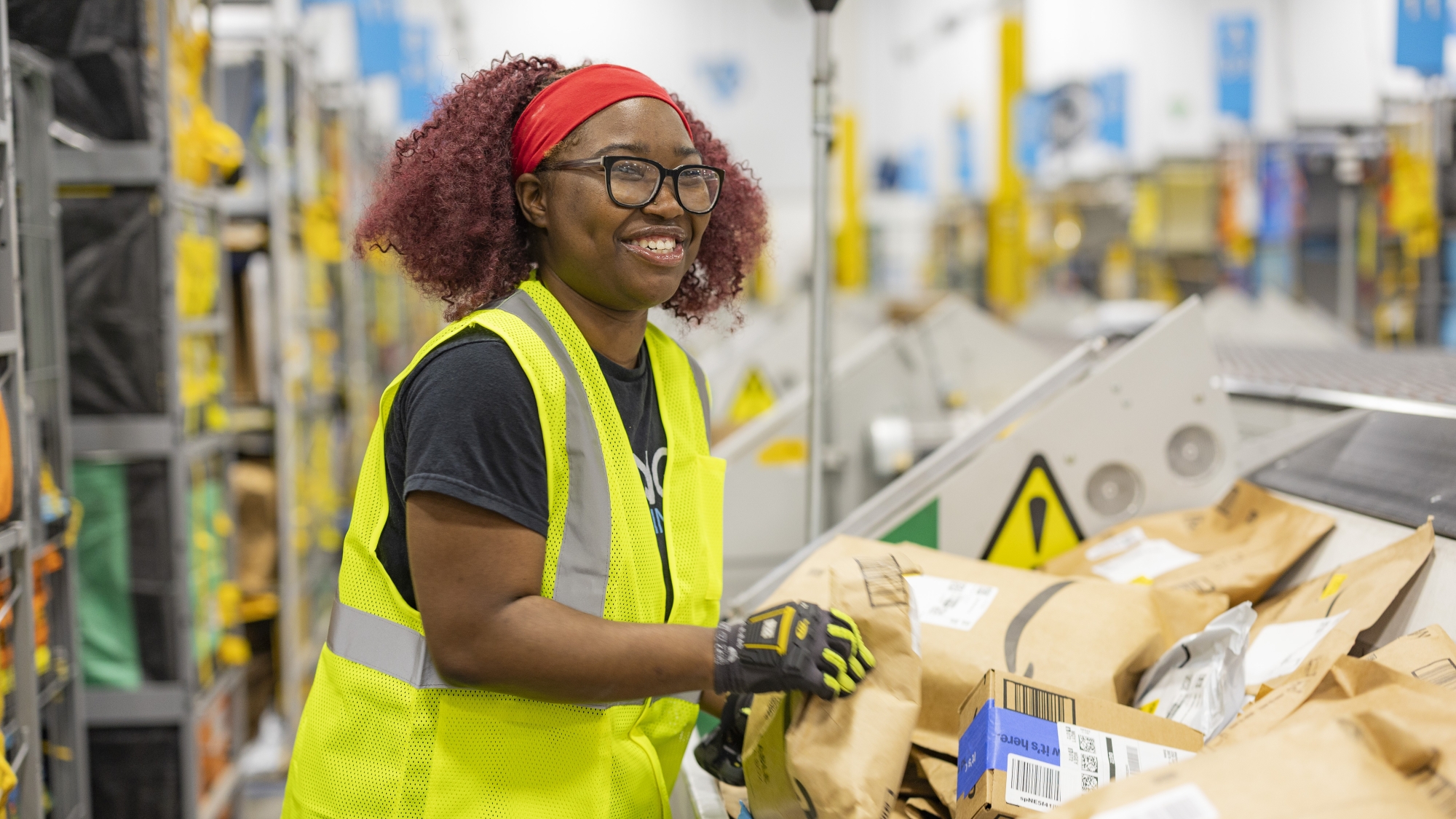
Beyond 86,000+ direct jobs and 90,000+ indirect jobs, Amazon's presence in Texas supports approximately 65,000 indirect jobs in industries such as construction, logistics, professional services, and suppliers who we rely on every day.
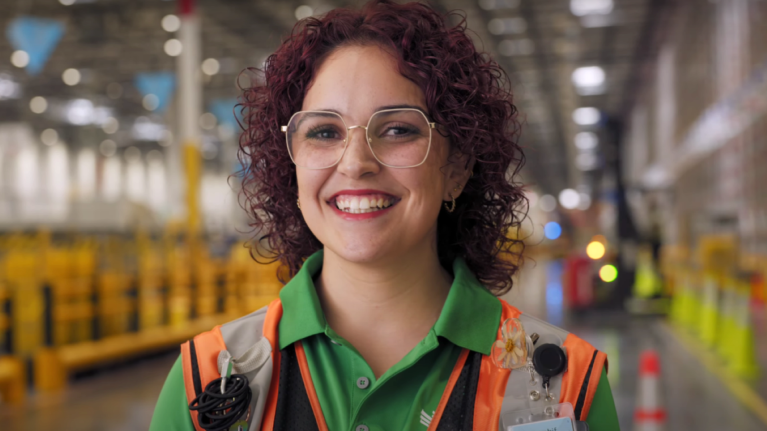 Through Career Choice, Amazon prepays tuition and reimburses books and fees, helping employees like Crystal Block and Sav Phifer of Texas advance their education and grow their careers at Amazon.
Amazon is committed to preparing its workforce for future opportunities through comprehensive education and skills training programs. Since 2019, more than 14,500 Texas employees have participated in these free initiatives.
In Texas, Amazon partners with 35 educational institutions through its Career Choice program, which prepays 100% of tuition for employees pursuing further education. These partnerships with colleges and universities across the state help Amazon employees gain in-demand skills that can propel them into new careers. From Machine Learning University to Career Choice, these programs represent Amazon's investment in developing talent and creating pathways to opportunity for its workforce.

Since 2010, Amazon has invested more than $100 billion in Texas, including infrastructure and employee compensation, contributing more than $110 billion to Texas’s economy, boosting the state's gross domestic product.
These investments include 50 fulfillment and sortation centers, 28 delivery stations, 13 Rural Super Rural delivery stations, five Prime Now fulfillment centers, four Amazon Pharmacy locations, three Prime Air Drone Delivery centers, and one Amazon Air Hub. The company has also expanded its retail footprint with 35 Whole Foods Market locations across the state. Beyond its operational footprint, Amazon is investing in the state's clean energy future: the company's 43 energy projects—including wind and solar farms—generate enough carbon-free energy to power more than 3 million homes.
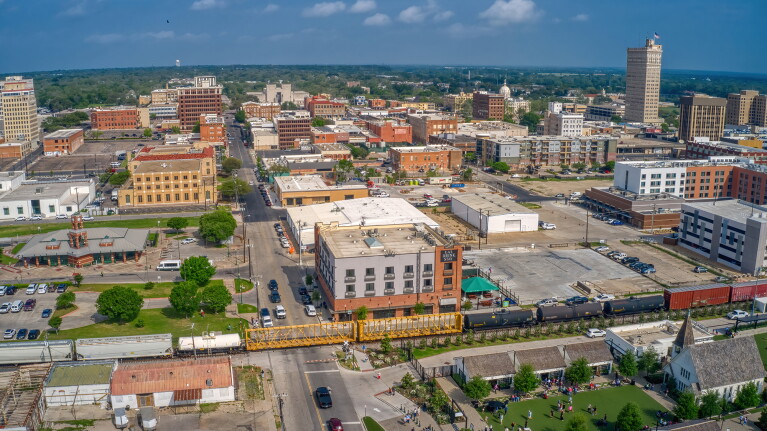
From major cities to small towns and rural communities, Amazon's investments are reaching every corner of Texas. Since 2010, Amazon has invested more than $450 billion in over 1,000 small towns and rural areas across the U.S.—a reflection of our long-standing commitment to spreading economic opportunity to communities of all sizes. Recent research shows that investments in our delivery network have already led to $500 million in economic growth in small towns and rural communities, driving GDP growth in counties where we’ve opened a delivery station.

Amazon has opened 13 delivery stations outside of major metropolitan areas in Texas, including Abilene, Lubbock, Tyler, and Wichita Falls. Each new facility creates an average of 170 jobs at the delivery stations themselves, plus many more through driving opportunities via the Delivery Service Partner and Amazon Flex programs. They also help customers in small towns get products they want and need even faster, at the same great low cost.
Amazon provides a powerful opportunity for Texas's entrepreneurs and small businesses to reach customers worldwide. In 2025, Texas-based independent sellers sold more than 226 million items through Amazon's store, with the average independent seller generating approximately $250,000 in annual sales.
These independent sellers—most of which are small and medium-sized businesses—represent more than 60% of sales in Amazon's store. Their success contributes significantly to local economies, with more than 65% of U.S. independent sellers employing at least one person within 50 miles of their primary business location. By providing infrastructure, logistics support, and access to millions of customers, Amazon enables small businesses in Texas—which ranks among the top 10 states for both jobs supported by independent sellers and the number of sellers based in rural areas and small towns—to scale their operations and create additional jobs throughout the state.
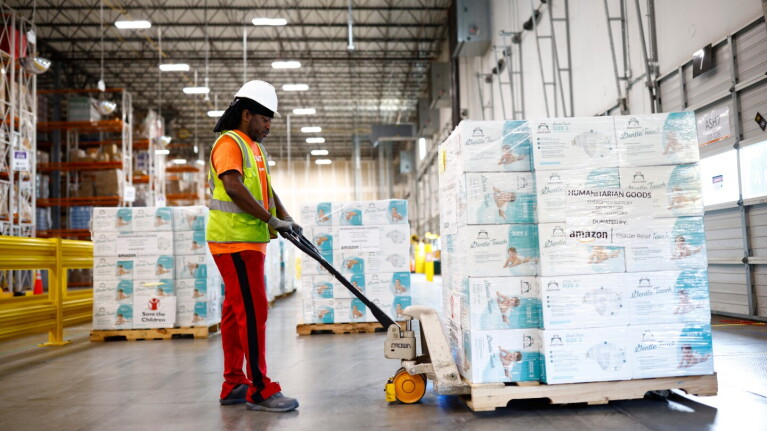
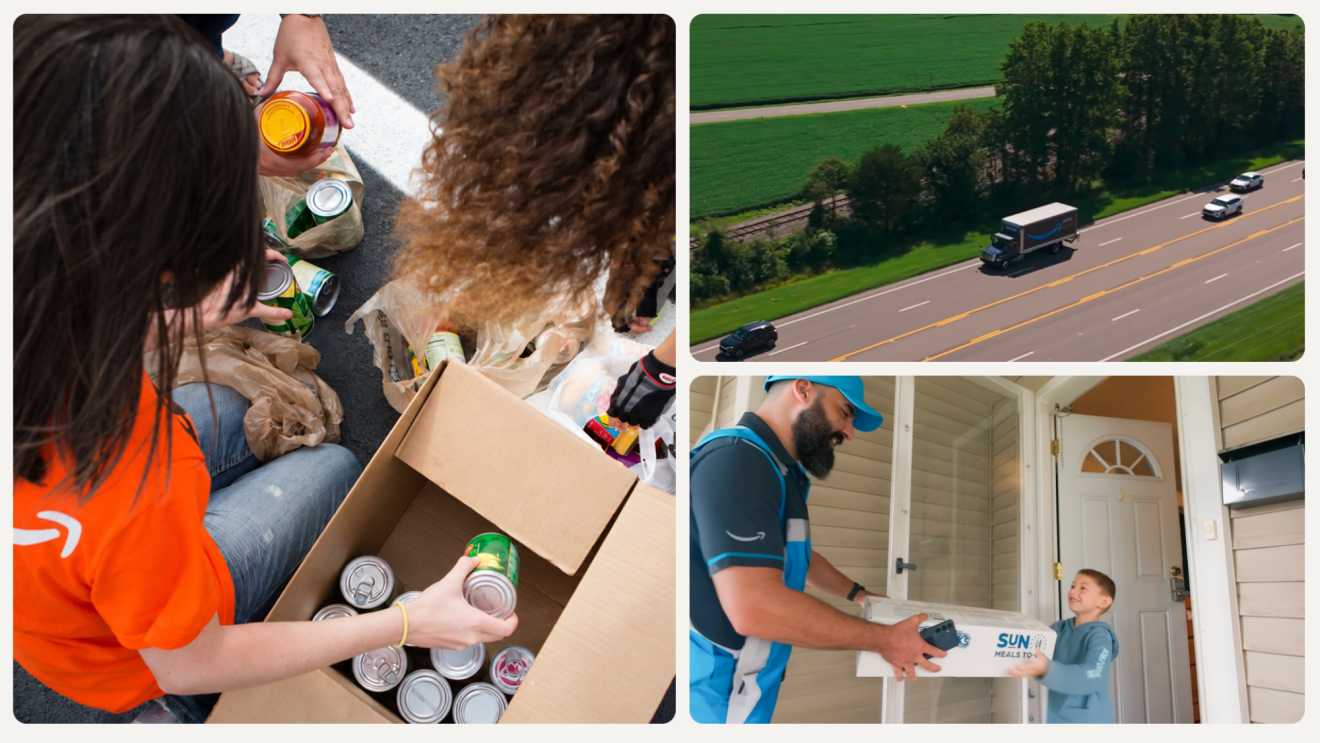
Amazon uses its global scale and strengths to make a positive impact in communities. Working with trusted community partners, we address critical needs—food security, education, disaster relief, and housing—using our logistics, technology, and innovation, while investing as a good neighbor in the communities where our employees live and work. In 2025, Amazon donated over $5 million to 75 local community organizations across Texas.
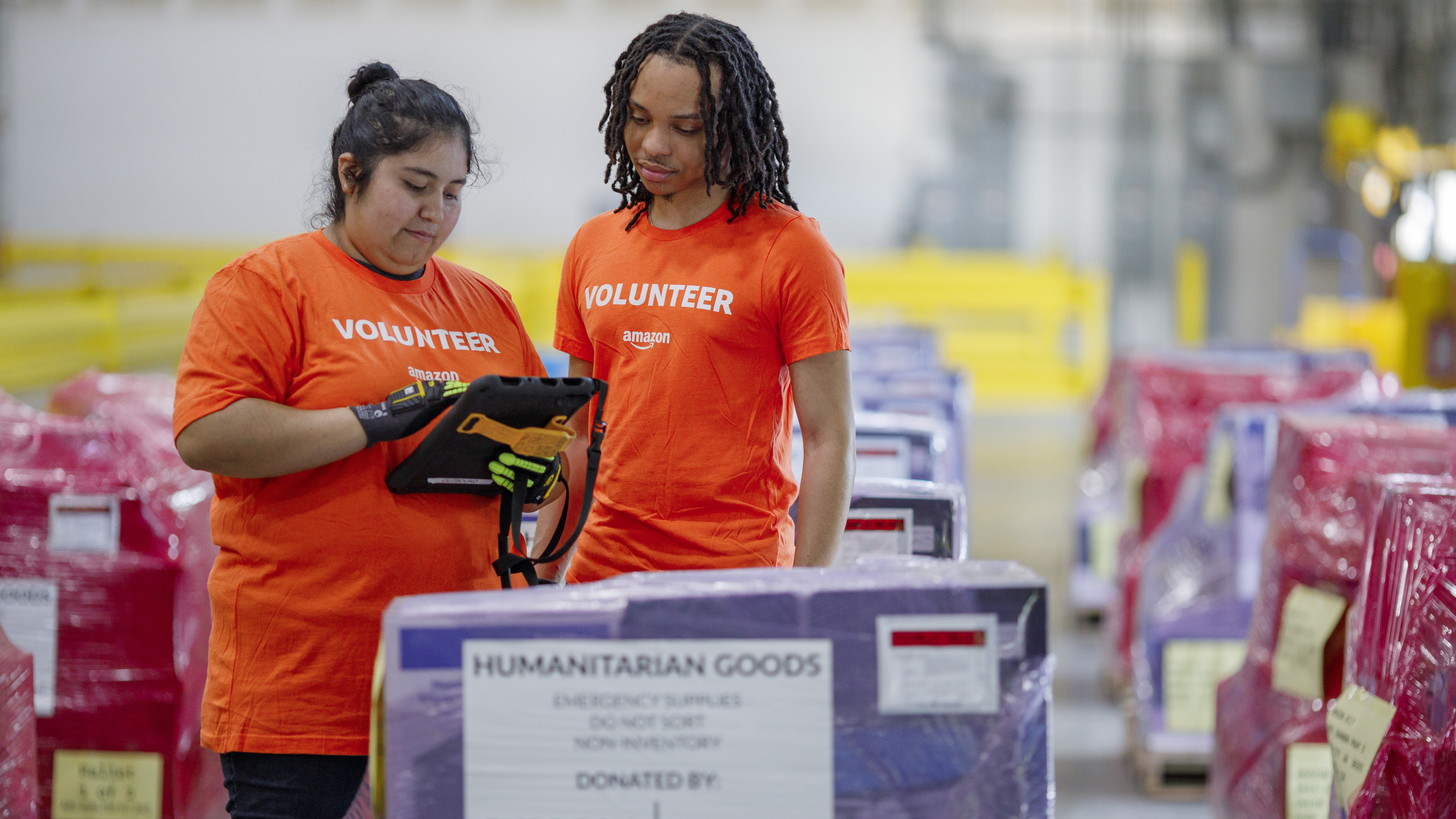
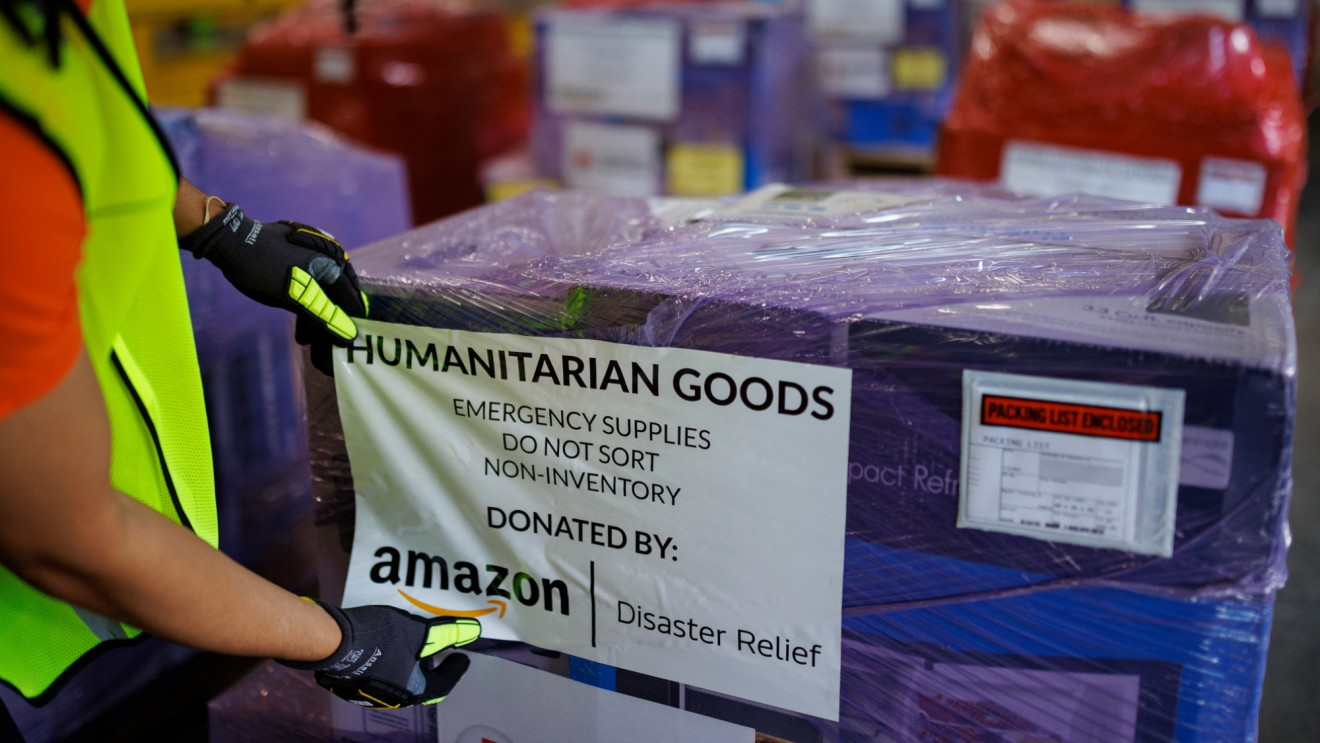
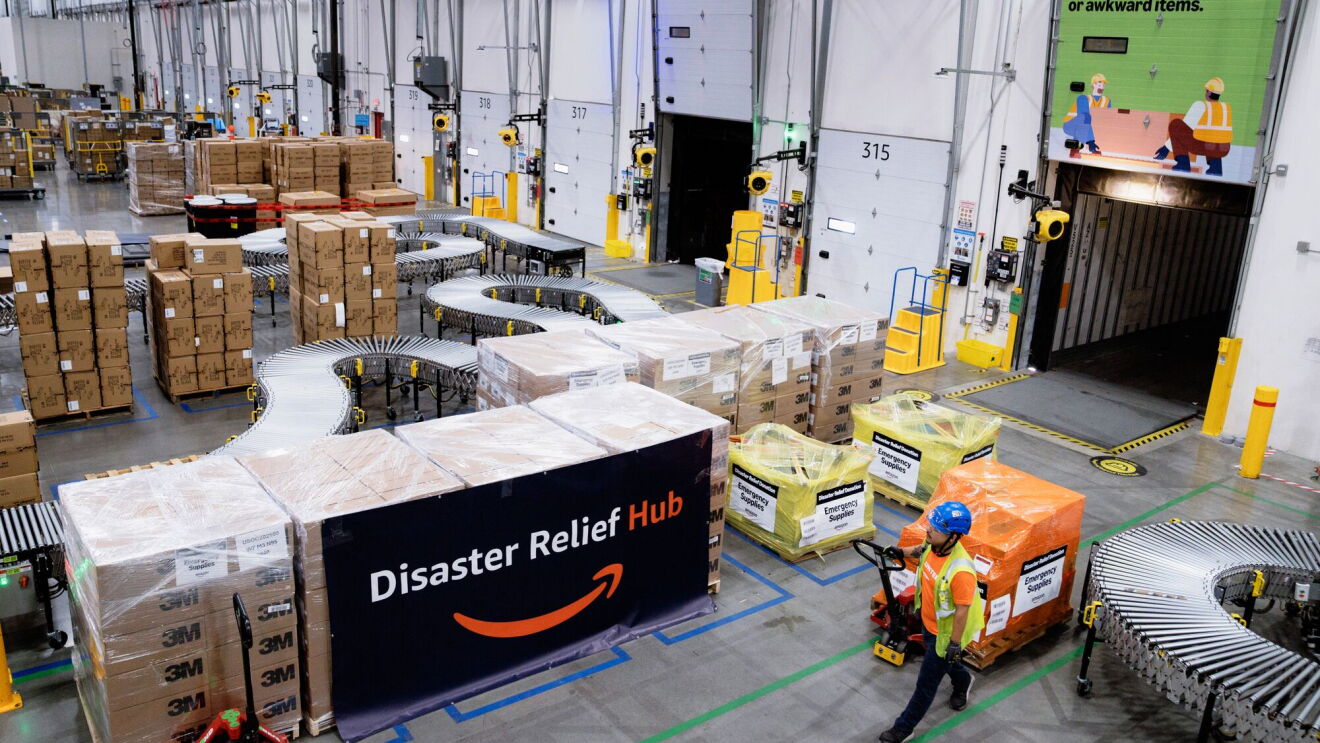
We used our transportation network to deliver more than 2.2 million meals to local organizations tackling food insecurity and to families experiencing hunger in Texas. Amazon reached over 100,000 students and 5,000 teachers through education programs and supported over 2 million computer science learning hours. And when catastrophic flooding struck Central Texas in 2025, Amazon delivered more than 155,000 supplies to community organizations, served as a technology adviser to search-and-rescue crews who needed to map their positions and assess hazards, and coordinated 600 volunteers to unload and sort donations.
Trending news and stories
- Prime Big Deal Days is back October 6-7: Here’s what to expect
- AWS becomes first cloud provider approved for NATO RESTRICTED workloads across all member nations
- Amazon invests $20 million in the Colorado River as part of a coalition to mobilize $100 million for water conservation
- Amazon raises minimum starting pay for full-time core operations employees to $20/hour, with average pay reaching nearly $24/hour