For more than three decades, Amazon has been innovating and creating products and services to help make the lives of our customers easier and better. Each year, we spend tens of billions of dollars to improve our products, better serve our customers, and make jobs safer and more fulfilling.
In 2025, Amazon’s investments in the U.S. reached more than $340 billion, meaning we invested more in the U.S. than any other year. These high-impact investments help to lift local economies and strengthen the communities where we operate.
In keeping with long-standing bipartisan principles, last year Congress made changes to the tax code to encourage greater investment in the American economy, its innovation, and its workers—all areas where Amazon has long been a leader. Due to Amazon's unprecedented U.S. investments, our tax bill this year reflects those changes by Congress. We intend to continue our investments that contribute to American innovation and economic growth, and we are happy to share those details here.
Investing in the American economy
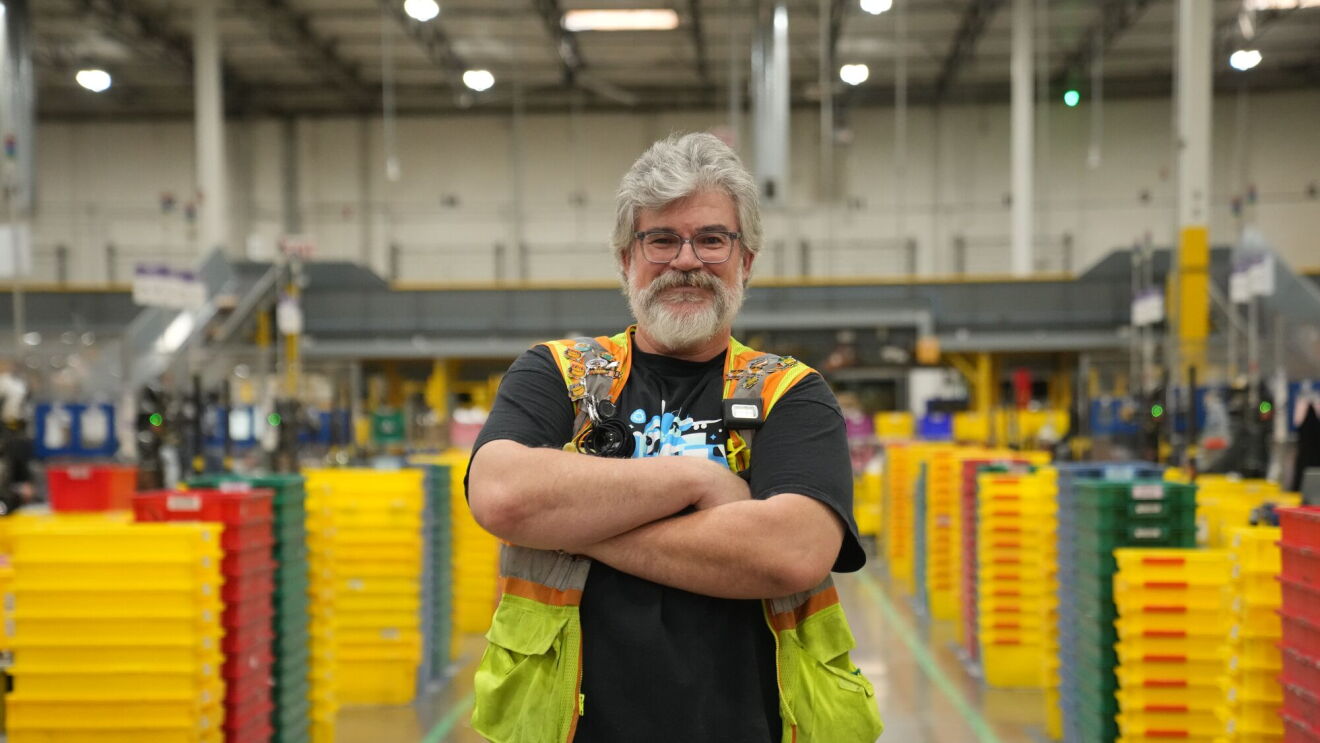
Since 2010, Amazon has invested more than $1.8 trillion in the U.S. economy, including infrastructure and compensation to our employees, helping to fuel economic growth. With more than 1 million employees across the country, Amazon has created more jobs in the U.S. than any other company over the past decade, and in 2025, we invested over $1 billion to raise pay and lower the cost of healthcare for our front-line employees. Our average pay has increased to more than $23 per hour, with average total compensation now at $30+ an hour when you include our industry-leading benefits package. Additionally, independent sellers, who now account for more than 60% of all sales in Amazon’s store, provided more than $100 billion in wages for U.S. employees in 2024 alone.
In 2025, the Progressive Policy Institute ranked Amazon the top “Investment Hero,” recognizing the company for being the top capital investor in the United States for the sixth consecutive year. Amazon invested tens of billions of dollars in states across the country to expand cloud computing infrastructure and advance Artificial Intelligence (AI) innovation, which helps lift local economies. In Pennsylvania, for example, we’re investing at least $20 billion, and estimate we’ll create 1,250 new high-skilled jobs, in addition to the 27,000 full- and part-time employees we already have in the Commonwealth.
Our growth is spread across communities of all sizes across the country, not just in big cities. We have invested more than $280 billion in over 1,000 small towns and rural areas across the U.S. since 2010, and two out of five jobs Amazon created in the last five years were in small towns with populations less than 50k. To help our customers, regardless of location, benefit from Prime’s fast and free delivery services, we’re also investing $4 billion in rural America to grow our rural delivery network’s footprint to over 200 delivery stations by the end of 2026—an effort we estimate will create 100,000+ new jobs and driver opportunities through a wide range of full-time, part-time, and flexible positions in our buildings and on the roads.
Investing in American innovation
We’ve stayed at the cutting edge of rapid technological advancements, incorporating machine learning and AI into virtually everything we do—from the recommendation engines that personalize the shopping experience on Amazon.com to consumer products, like Alexa, our general-purpose personal AI assistant.
Right now, we're witnessing a historic pace of innovation and invention with AI. Our purpose-built Trainium chip cuts training and inference costs by up to 50% while delivering industry-leading performance. Project Rainier showcases this technology at scale—it’s the world's largest operation AI compute clusters with nearly half a million Trainium2 chips, actively being used by Anthropic to build future versions of Claude, its industry-leading AI model.
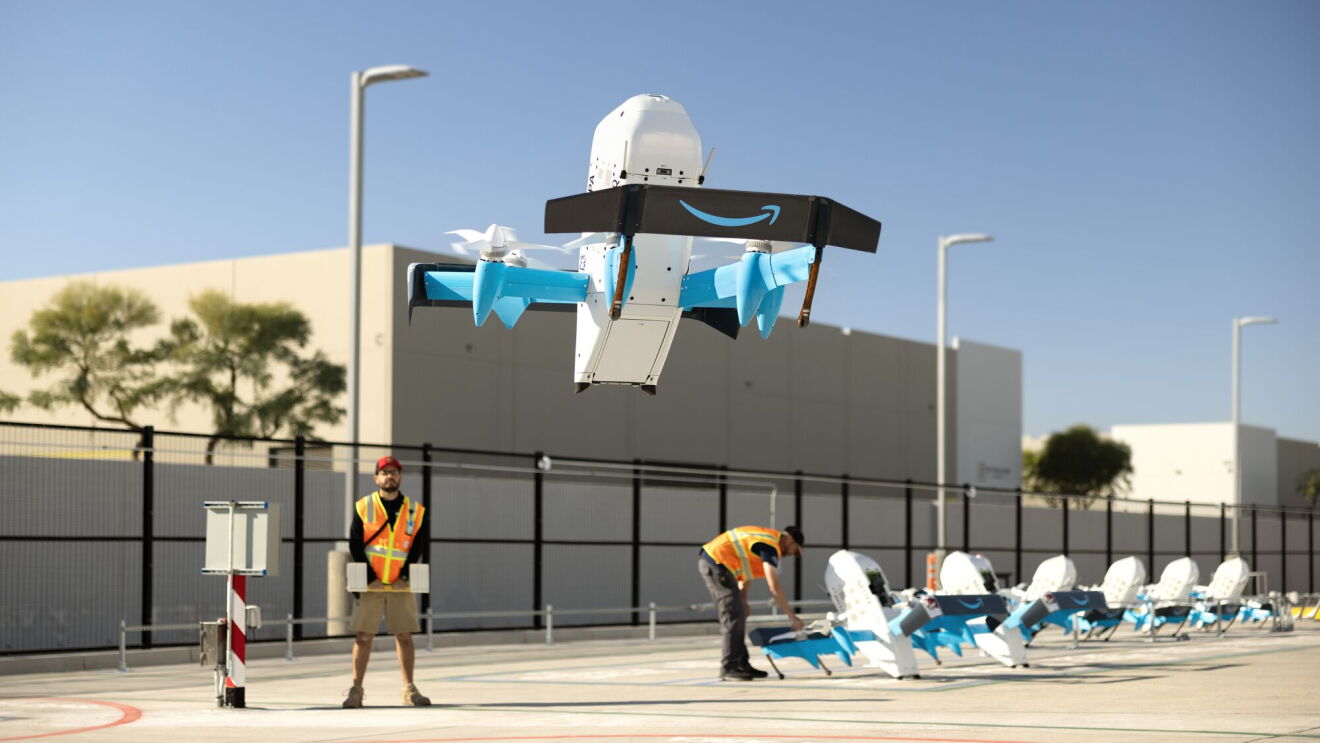
As a leading investor in research and development (R&D), our investments in innovative technologies have also helped to spearhead new business lines like Amazon Leo, our low Earth orbit satellite broadband network that can help close the digital divide. With an initial investment of $10 billion, we began R&D on this initiative in 2018. Today, after seven successful launches, we have more than 175 satellites in orbit that will bring reliable, affordable, and fast broadband internet service to customers and communities around the world, including in unserved and underserved communities.
Our U.S. total tax contributions
In addition to our direct investments in the U.S., we also contribute significantly to U.S. tax collections. In 2021, Amazon repatriated our intellectual property (IP) to the U.S., aligning our IP ownership with our U.S. headquarters and increasing the amount of profits taxed here in America.
The size of our tax contributions can fluctuate year-to-year based on our business performance and changes in tax laws in the U.S. and around the world. Due to changes by the U.S. Congress, our U.S. taxes were reduced from the prior year.
U.S. policymakers have been clear on their intent when writing new tax laws. They developed tax policies to encourage corporate investments in the U.S. with the explicit goal of growing the economy, creating jobs, and improving U.S. competitiveness. Amazon’s investments align with these goals.
In 2025, Congress enacted two tax policies that impacted Amazon’s taxes. First, Congress reinstated immediate deductions for R&D investments, returning to the tax treatment that companies had from 1954 to 2022. However, from 2022 to 2025, the U.S. was the only major industrialized country that required companies to amortize their R&D expenses. This jeopardized U.S. technology leadership and competitiveness. Fixing this policy allows American companies like Amazon to compete globally and encourages companies of all sizes to invest in new products and services.
Similarly, the U.S. is also now allowing companies to immediately deduct their capital costs too, with the explicit goal of encouraging more investments in the U.S. Deducting our costs more quickly provides a short-run benefit but this policy ultimately doesn’t change the amount of tax we pay. It just changes the timing of our tax payments.
In addition to the direct taxes that we pay and the direct investments we make, there are additional taxes we pay and administer for governments on behalf of our customers, employees, and third-party sellers.
Together, Amazon’s 2025 tax profile includes:
- $12.4 billion of federal income tax expense
- $7.9 billion in federal taxes that include employer payroll taxes and other taxes and fees
- $24.8 billion in other federal, state, and local taxes collected on behalf of employees
- $7.5 billion in state and local taxes of all types
- $33.4 billion in sales taxes we collected and remitted on behalf of states and localities throughout the U.S.
We’re proud of the economic contributions and the positive impact we are having on towns and cities across America. And we are excited for what the future holds as we continue to invest, invent, and work to enhance communities nationwide.
Learn more about Amazon’s global approach to tax.
Trending news and stories
- Prime Big Deal Days is back October 6-7: Here’s what to expect
- Amazon raises minimum starting pay for full-time core operations employees to $20/hour, with average pay reaching nearly $24/hour
- Prime Big Deal Days 2026: Early deals you can shop right now
- Amazon is giving every US employee a discount on groceries